textile mills in punjab square textile company square manufacturing company textile manufacturer

The Role of Eco-Friendly Fabrics in Circular Textile Production

The textile industry is undergoing a drastic transformation to meet global market requirements. As demand for sustainable materials grows rapidly, yarn manufacturers, textile suppliers, and garment brands are exploring how to produce and recycle fabrics in innovative ways. From this point of view, circular textile production offers new hope for cotton yarn manufacturers, textile suppliers, and garment brands.

The main concept of circular textile production is to reduce waste, conserve resources, and keep materials in use for longer. Eco-friendly fabrics are the main influencer of the circular textile production. From organic fibers to recycled yarns, sustainable materials help textile brands expand their businesses in a broader sense.

Let’s explore this blog to understand the role of eco-friendly fabrics in circular textile production.

Interesting Facts about Circular Textile Production

Circular textile production is a system in which materials are designed, manufactured, and reused in a continuous loop. Instead of dumping them in landfills, fabric manufacturers recycle, regenerate, and repurpose them into new products.

Traditional India textile manufacturing mainly depends on virgin raw materials, intensive chemical processing, and a linear consumption process. But after the introduction of circular textile production, the textile industry has experienced significant benefits.

  1. Better resource allocation and efficiency
  2. Reduction of water materials
  3. Recycling and reuse of organic fibers
  4. Sustainable sourcing of raw materials

To reduce environmental impact and increase recyclability, eco-friendly fabrics are a significant part of the circular textile production.

Importance of Organic Fabric in Circular Textiles

In the circular textile production, organic fabrics have huge significance, and we are now describing them in detail-

1. Focus on sustainable yarn

In circular textile production, sustainability is at the heart of the process, starting with sustainable yarns. Yarn manufacturers primarily ascertain the raw material consumption for fabrics, including organic cotton yarn, recycled cotton blends, regenerated synthetic fibers, and certified fabric materials.

Innovation in recycled fibers enhances fabric quality and ensures smooth operation in circular textile production.

2. Support transparency

Eco-friendly fabrics used in circular textile production maintain transparency in the supply chain. Modern buyers who focus on sustainable products show strong interest in where fabrics are sourced, how yarns are produced, and the environmental standards maintained during production. If your brand provides all this valuable information to buyers, it ensures transparency in your production and maintains the integrity of the textile supply chain.

In such a case, you should consider buying organic fabric from trusted fabric manufacturers in India to maintain your brand’s transparency. This transparency fosters bonding among yarn manufacturers, textile mills, and garment manufacturing companies.

3. New Innovation in circular textile

Technological innovation is a greater aspect of the circular textile solution. New technological advancements basically focus on waterless dyeing processes, digital textile printing, fiber generation from textile waste, and an AI-driven textile recycling process. These latest innovations enable textile manufacturers to produce high-quality fabric while reducing resource consumption and environmental pollution.

As sustainability becomes a competitive advantage, garment brands are investing in eco-friendly materials and circular production processes to adopt a new, innovative approach.

Conclusion

The shift towards circular textile production is a new innovation for the textile industry. If you are curious about converting your textile business to circular production, you must lay a foundation in premium-quality, eco-friendly fabrics. Try contacting Square Corporation to buy top-notch organic fabric to strengthen your brand value for circular textile production.

Competitive Advantage of Sustainable Cotton Fabrics in Textiles

In the competitive textile industry, selecting the right fabric can make a significant difference in the fastest growth of your business. Honestly, cotton fabric is versatile, comfortable, and can instantly upgrade the quality of any garment. If you are planning to upgrade your textile business and want to satisfy the needs of those customers who prefer sustainable products, organic fabric is the best solution.

In the 21st century, organic fabric is actually a game-changer for any textile business. In such a competitive situation, you can trust a reliable organic cotton fabric manufacturer in India for premium quality and authentic organic cotton to upgrade your textile business smartly. Textile businesses considering strengthening their market position can incorporate organic fabrics to enhance their competitive advantage.

Let’s explore this blog to learn how sustainable cotton fabric enhances the textile industry’s competitive advantage.

Why sustainable cotton fabrics offer a competitive advantage

If you are curious to know why sustainable cotton fabric offers a competitive advantage in the textile industry, you must read this segment.

1. Huge market demand and brand value

In the present scenario, consumers mainly prefer clothing made from eco-friendly fabrics. Sustainable cotton fabrics are among the most reliable choices for eco-conscious buyers who prioritize ethical material sourcing.

For textile companies and fabric manufacturers, organic cotton can increase brand value, strengthen customer loyalty, and expand access to premium markets. Textile companies that prefer sustainable fabrics definitely find themselves in a better position than those that don’t.

2. Minimum environmental impact from production

Environmental impact is the textile industry’s biggest concern. If you consider the conventional cotton production, it has a huge negative impact on the environment.

But thanks to the introduction of sustainable fabric production, which offers a lower environmental impact and focuses on sustainable cultivation methods that reduce water consumption and minimize the use of chemical fertilizers and pesticides. This scenario indicates that organic cotton farming can reduce greenhouse gas emissions and improve soil quality.

When textile companies focus on better environmental practices, it can drastically attract the buyer’s attention.

3. Improve fabric quality and comfort

Cotton fabric is usually soft, breathable, and durable. But sustainable cotton fabric maintains premium qualities while ensuring a clean production process.

Sustainable cotton fabric offers better moisture absorption, a skin-friendly texture, easy breathability, a lightweight structure, and long-lasting durability. Due to these unique competitive advantages, organic cotton has become a reliable factor in making your footprint in the global market.

4. Compliance with global sustainability

Textile companies that want to grab an international audience must focus on sustainability certification and environmental compliance standards. This scenario is aligned with global textile sustainability certification and the expectation of an ethical supply chain.

5. Reduce chemical exposure

Traditional textile cultivation mainly depended on harmful chemical fertilizers and pesticides. But sustainable cotton cultivation, supported by a reliable linen yarn manufacturer, primarily focuses on reducing the use of harmful chemicals and protecting soil health.

A cleaner production process and a safe working environment help manufacturers maintain compliance with international textile regulations.

6. Long-term cost efficiency

While sustainable cotton cultivation offers long-term economic benefits, it also reduces chemical input costs, improves soil productivity, strengthens the supply chain, and accesses a high-value, eco-conscious market.

By investing in sustainable cotton fabrics, textile companies can create a future-ready production system that aligns with the ever-evolving global market.

Conclusion

Sustainable cotton fabrics are reshaping the textile industry by offering superior fabric quality and huge market demand. If you are searching for a reliable, sustainable fabric supplier, you can trust Square Corporation. Textile companies can depend on us to enhance their competitive advantage through sustainable production processes. You can easily reach us through our website.

Why Organic Fibers Are Essential for Sustainable Textile Production

Organic fibers are the raw materials with which the process of sustainable textile production begins, by reducing environmental and social abuses in traditional Indian textile manufacturing. Organic fibers include cotton, wool, hemp, and linen grown using natural farming methods, excluding toxic pesticides and chemicals. These systems foster soil health, conserve water, reduce pollution, and provide healthier work conditions for farmers and communities.

Organic fibers within the textile industry remain among the most feasible alternatives from a sustainability perspective. In particular, organic fibers are biodegradable and renewable; they support fair production and responsible consumption. It contributes to the decrease of carbon dioxide emissions and waste accumulation within the textile industry. Organic fiber is a great alternative as manufacturers and consumers become increasingly conscious of green alternatives for quality and sustainable fashion.

Various Reasons Organic Fibers are Essential for Sustainable Textile Production

Organic fibers are vital in sustainable textile production. They do not grow with chemicals; hence, it is an environmentally friendly alternative.

Decreased Environmental Impact

These organic fibers are grown without the use of any man-made chemical sprays, herbicides, or fertilizers. It aids us in preserving our soils without any pollution of water or air, making our textiles environmentally friendly. So, if you are planning to go green in producing sustainable clothing, the cotton yarn manufacturer will help in this process.

Safer working conditions for the farmers

The use of organic farming in producing fibers leads to a healthier environment and incorporates health benefits into farming activities for farmers or workers who use certain farming methods. This approach also lessens the risk of major health concerns and health risks for workers who use certain farming methods or harsh compounds, such as skin ailments and breathing difficulties. This leads to a healthier and more energetic workforce in this sustainable farming activity.

Lower water pollution and safe water usage

Traditional fabric manufacturers in India use materials such as conventional cotton, which are common in traditional India, as a potential source of harmful constituents in rivers and groundwater. On the other hand, cultivation of organic materials is a great way towards a sustainable system that does not include any hazardous materials. Such cultivation is a great way to maintain the balance within nature as well as promote the well-being of future generations.

Better biodiversity

Organic farming plays a vital part in raising the levels of biodiversity, as every type of life, including insects, avian, and beneficial micro-organisms, thrives in an organic setup. Organic farming ensures that a healthy environmental setup remains, which in turn enables an organic garden to flourish without inviting pests and maintain a balance based purely upon nature.

Support ethical and sustainable fashion

If we use organic fibers in clothing, we will enhance the quality of clothing in general. This would also promote transparency in labor practices in the clothing industry. All these are important principles of sustainable or slow fashion. By embracing organic or natural clothing materials, we will develop a clothing industry that supports a friendly environment as well as its labor. This will let us develop intimacy with clothing stories.

Conservation of soil health

Organic farming techniques, including rotation and composting, also upgrade the quality and texture of the soil. Soils that are in good condition tend to conserve moisture and have improved fertility, resulting in less erosion and potentially providing a useful farming system that will last over a long period.

Reduced carbon footprint

Organic farming produces less fossil fuel, thus reducing the level of gases emitted into the atmosphere. Also, organic farming has healthy soil with strong carbon capture and storage; thus, soil becomes a trusted friend in combating climate change.

Conclusion

Importance of organic fibers in the textile industry: It is very important to use organic fibers in the textile industry. This will help to combat pollution in the environment. This will also save natural resources, as they are easily decomposable. This will also promote ethical farming. Hence, we can live in a healthier world by using organic fibers to promote a good textile industry.

Which Fabric is Highly Sustainable and Future of Fashion?

At the time of choosing the right type of dress to wear, the first thing that comes into consideration is fabric. Do you have any organic fabric in your wardrobe? If yes, then you are not only doing a favour to the planet, but also going with dresses that look amazing.

The way clothes are manufactured has a massive impact on the environment. With eco-friendly fabrics, it is possible to put a full stop to further damage to the earth. Highly reputed organic cotton farms utilize natural sources to manufacture dresses.

As there is hardly any use of harsh dyes or chemicals, the fabrics produced are overall biodegradable. They can be reused in the natural world. Are you aware that the fabric you are putting on your body has an impact on your health?

How does Fabric Impact the Overall Health?

Along with comfort and great look, health is a vital factor when selecting the fabric that you are about to put on. Highly reputed organic fabric manufacturers in India generally avoid the use of harsh herbicides and chemicals.

Unlike conventional cotton, such fabrics will hardly cause any type of skin irritation or allergy. As organic cotton fabric is breathable, it is perfect for people who suffer from allergies and asthma.

With high durability features, organic cotton is a highly sustainable choice in terms of clothing. Also, you can continue wearing such fabrics for a long time, provided proper care is taken.

Are Organic Fabrics Softer and Luxurious?

Did you ever come across fabrics that feel soft? They are none other than organic cottons that are manufactured using natural materials. As they are handled gently, they suffer less breakage.

Such a great feature gives them a beautiful, lustrous look, finally making it softer to touch. Also, less water and energy are required in the production, which makes organic fabrics an environmentally friendly choice.

What Makes Organic Fabric the Future Choice in the Fashion Industry?

As a fashion geek, you must be looking for those fabrics that will not lose its importance too quickly. Aren’t you? Regarding economy and aesthetic look, for the long term, organic fabric will be the right option.

It will hardly produce any harmful toxins, thus preventing further damage to the environment. Top organic cotton farms can ensure that the clothes produced will be overall nature-friendly.

Do Organic Fabrics Support Ethical Practices?

This is another exclusive benefit associated with organic fabrics. Going with such choices implies support for fair labor practices. Most of the fabric producers adhere to highly ethical guidelines, thus ensuring fair wages and safe working conditions for workers.

By investing in organic clothes, customers will be contributing to a highly equitable fashion industry.

As a Final Word!

From above, it is clear that organic cotton fabrics can benefit both mankind and the environment. Have you been searching for a reliable and trustworthy spinning mill in Gujarat that produces sustainable dress materials?

If so, then joining hands with Square Corp may be a great decision. Among a wide range of options, making the right choice will be no more difficult.

Why Some Plant Fibers Get Softer with Every Wash

Some plant fibers have the astonishing ability to soften with every wash, making cotton, linen, bamboo, and hemp fabrics increasingly comfortable over time. Unlike synthetic fibers, which seem to break down from wash to wash, natural plant fibers love water, agitation, and gentle abrasion. Due to their special cellulose structure, they can relax and open up-a process in which they shed stiffness and turn fabrics that were at first firm or textured into smooth, breathable, skin-friendly materials. If you want to make comfortable clothing, cotton yarn traders can help you.

Plant-based fabrics are preferred in apparel and textiles since the fiber naturally softens over time. As fibers wash, they lose oils, loosen, and go through micro-polishing, which increases comfort without compromise to strength. Therefore, these have turned into durable, earth-friendly materials that get better in quality and softness with time, thus being a popular pick by individuals who aim for long-lasting comfort. In this article, we will be explaining why some plant fibers get softer every time they are washed.

Reasons Some Plant Fibers Get Softer with Every Wash

Plant fibers such as cotton, linen, and bamboo get softer with every wash due to their cellulose structure. Water and mild detergents relax fibers; they remove residues for better comfort and breathability.

Natural fibers relax and loosen over time

The plant fibers, such as cotton, linen, hemp, and bamboo, change with every wash. As they get into the water, the fibers start to uncurl, which relieves them of their inner tension. This makes the fabric softer, feeling indeed more luxurious and less stiff after every wash. Not only does this gentle hug of water revive the fibers, but it also adds great comfort to the textile, making them a pleasure to wear next to the skin. You can make some amazing dresses for yourself with the help of the best fabric manufacturers in India.

Break-in process of cellulose fibers

Plant-based fibers, made essentially of cellulose, break in naturally over time, softening and smoothing their rough edges and developing a truly indulgent feel against the skin. Curiously enough, even while wearing these fibers in, repeated washing can keep the fibers intact and therefore retain their length with a soft, plush, and inviting quality with repeated use.

Woven fibers separate slightly and fluff up

This is because, when washing fabric, the mild agitation involved works to tease apart and very slightly puff out the fine strands of material inside every yarn. This wonderful “fluffing” effect enhances softness without sacrificing the structural integrity of the textile, so it remains strong while feeling superbly plush. The best India textile manufacturing helps you get the best fibers for your project.

Water infiltrates the structure of the fiber

Water enters the plant fibers, swelling them and making them more flexible; this flexibility allows them to bend and flex gracefully. As it dries, the fibers retain some of this additional flexibility that makes the material feel soft and smooth. It’s what gives it that gentle supple touch.

Conclusion

The softness inherent in plant fibers, therefore, increases with every wash, due to the water, gentle agitation, and mild detergents that relax their cellulose structure. Over time, the residues are washed away, fibers slacken, and micro-abrasion polishes the surface, acting to make fabrics like cotton, linen, and bamboo all increasingly comfortable and breathable. It is this quality that explains why plant-based textiles dominate in human clothing and bedding, combining durability with gains in softness over time.

Myth & Facts: The Truth You Should Know About rPET Fabric

We all know that sustainability now takes the centre stage in the textile and fashion industries. As an obvious outcome, rPET or recycled polyester has appeared as a famous alternative to virgin polyester. However, countless myths have come into focus with its rise in popularity. So let’s separate the true facts from the fiction and unveil the reality about recycled polyester. Contact a renowned recycled polyester fabric manufacturer if you are looking forward to buying precision-engineered rPET fabric.

5 Most Common Myths Associated with Recycled Polyester

Recycled polyester is an eco-friendly and innovative solution to decreasing plastic waste while retaining high-quality fabric performance. So let’s have a closer look at the most common yet significant myths associated with rPET or recycled polyester.

Myth 1: Recycled Polyester is Less Durable than Virgin Polyester

Fact: Most individuals believe that the quality of recycled polyester is not as good as that of virgin polyester. However, this is far from reality. Top-quality PET goes through the latest processing techniques. This ensures the recycled polyester material retains its flexibility, strength, and performance similar to virgin polyester. Many famous brands use rPET in performance wear, representing its reliability and durability.

Myth 2: Recycling Polyester is Harmful like Producing Virgin Polyester

Fact: Many of us are unaware that the production of virgin polyester needs massive amounts of energy, petroleum, and water. For this reason, the production of virgin polyester contributes to greenhouse gas emissions. On the other hand, recycled polyester notably decreases environmental impacts. How?

The procedure of converting plastic waste, such as PET bottles, into rPET requires up to 59% less energy. This process decreases CO2 emissions by approximately 32% compared to the production of virgin polyester. Though no manufacturing procedure is entirely free of environmental impacts, rPET is a far more sustainable option in the procedure. So contact a leading wholesale fabric supplier in India to buy superior-quality recycled polyester fabric at a reasonable rate.

Myth 3: You Can’t Process Recycled PET Again

Fact: Recyclable polyester can be processed several times without losing its integrity. We all know that the infrastructure of textile recycling is still developing. However, the latest advancements in chemical recycling make it possible to break down polyester into its basic elements and generate new fibres. As circular economy initiatives develop, more solutions are coming forth to make polyester recycling an endless loop.

Myth 4: Recycled Polyester isn’t Versatile & Comfortable

Fact: Nowadays, recycled polyester fabrics are just as breathable, soft, and adaptable as their virgin counterparts. Whether in outerwear, activewear, or day-to-day clothing, recycled polyester offers the same level of performance and comfort. Countless inventions in fabric technology ensure the successful blending of recycled polyester and natural fabrics such as wool or cotton to develop diverse textile options.

Myth 5: Recycled Polyester Doesn’t Make a True Difference in Plastic Waste

Each year, countless plastic bottles end up in landfills and the ocean. By altering these bottles into textiles, rPET helps divert plastic waste from our environment. How? For instance, a single t-shirt can save about 5-10 plastic bottles from creating pollution. Though recycling alone can’t solve the plastic crisis, it plays an essential role in sustainability efforts and waste reduction.

The Closing Thoughts

With ever-evolving technology, recycled polyester will continue to play a vital role in the sustainable textile and fashion industries. Selecting recycled polyester is not just an environmental statement; instead, it’s a step towards a greener future. So why wait? Contact Square Corporation, one of India’s leading yarn manufacturers, to buy high-quality recycled polyester yarns. With years of experience in yarn sourcing in India and a sharp focus on sustainable practices, we ensure superior product quality and on-time delivery. Get in touch with us now for more information.

Textiles Dyes without Water: The Future of Low-Impact Fabric Finishing

Waterless dyes are revolutionizing the textile industry by eliminating water usage from the printing process, marking a positive step towards sustainability. Do you think sustainable fabric production is only equivalent to zero water usage? Absolutely not, apart from zero water usage, the use of an eco-friendly fabric production process is also vital for sustainable production. As most global garment brands push for greener fabric supply to fulfill customer demand, it is high time to bring some innovation to the fabric production process.

Traditional dyeing and fabric printing methods require vast amounts of water and chemical usage, posing a significant threat to sustainable fabric production. But nowadays, most environmentally conscious organic cotton farms use eco-dyes and a waterless printing process to revolutionize sustainable fabric production. Let’s explore this blog to know how eco-dyes and waterless printing are highly useful for making low-impact fabric for the future textile industry.

What Do You Mean by Eco Dyes?

Eco dyes are the latest fabric printing method, which creates a low environmental impact without damaging the fabric quality. Low toxicity and the use of biodegradable components are the key features of eco dyes. Apart from that, the use of the latest technology has also led to a significant decrease in water usage for sustainable fabric production.

Textile innovators are developing more innovative bio-based dye methods from microbes and fruit waste. This unique bio-based printing method offers an excellent alternative to the petrochemical-based printing method.

If you are dealing with organic fabric production, you must try to enable the most unique and natural shade printing for eco-dyes. Maximum eco-conscious brands prefer attractive bio-based dyes for sustainable garment production.

Waterless Printing in Fabric Design

When considering sustainable production to meet global demand, incorporating innovative technology for fabric production is essential. A reliable and eco-friendly spinning mill in Gujarat is striving to produce the most unique organic fabric without using a single drop of water.

It should be a vital step for the waterless printing process. Innovative technologies such as digital pigment and sublimation play a vital role in fulfilling the desire for waterless printing in fabric design.

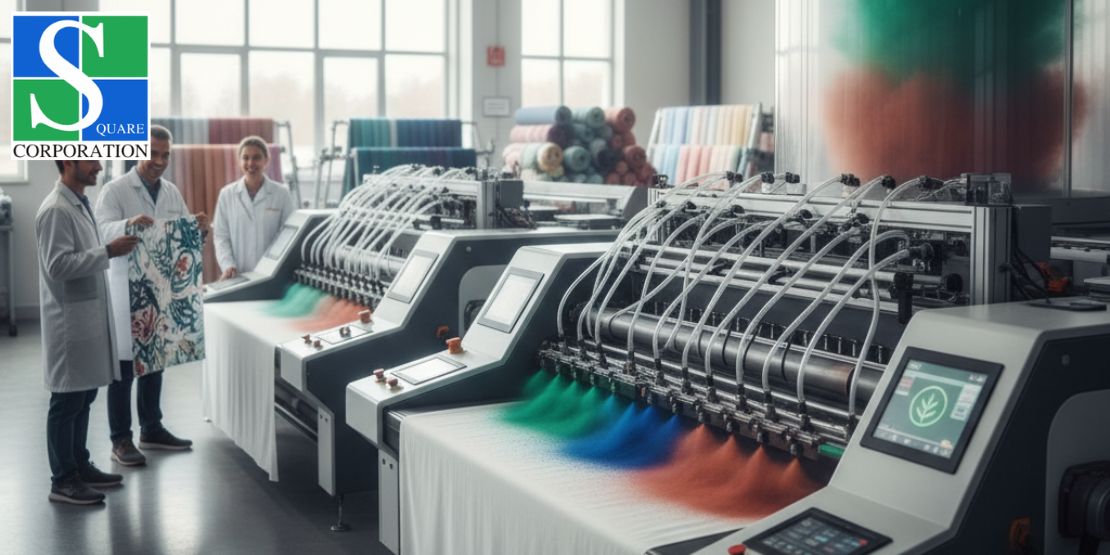
Due to the waterless printing process, the dyeing method does not discharge any effluent, which can save fabric treatment cost. For the short-run production process, a zero-waste usage production process ensures faster turnaround times, which indicates higher efficiency, greater flexibility, and waste minimization.

Benefits of Incorporating the Waterless Dying Process

Organic fabric manufacturers in India are shifting their focus from traditional fabric production to waterless dyeing, which offers several significant advantages. Let’s have a look-

  • Pigment-based eco dye methods can reduce inventory for coloured fabrics, which is a great cost-saving approach.
  • The eco dye method can produce fabric on demand and it reduces the risk of fabric overstock.
  • Due to the use of eco-dye methods, organic fabric production units can reduce the carbon footprint, which is beneficial for the environment.

Conclusion

As sustainability becomes a major factor in the textile industry, eco-dyes and waterless printing become highly essential. By incorporating these technologies, reliable organic cotton manufacturers are reducing their carbon footprint in the environment. Square Corporation is a reliable manufacturer and supplier of low-impact textiles that follow the trend of waterless dyeing processes to fulfill the global brand requirement.

How Can the Textile Business Reduce Costs with Recycled Fabric?

The textile industry is primarily involved in numerous business activities that involve a significant amount of costing. From making premium-quality garments to providing them at a reasonable price, this is a huge challenge for the textile industry. Due to numerous manufacturing factors, the textile industry faces significant market competition, which prompts businesses to reduce manufacturing costs for higher profit generation. In such a scenario, textile businesses rethink their fabric sourcing strategies, which indicates the raw material.

One effective solution is using recycled fabric for garment manufacturing. Authentic recycled cotton yarn manufacturers can support textile businesses in reducing their garment manufacturing costs by maintaining high-quality products. In this blog, we will explore how the textile industry can reduce costs by utilizing recycled fabric.

How the Textile Business Reduces Costs with Recycled Fabric

If you are involved in the textile business and are concerned about reducing your garment manufacturing costs, you should be aware of how recycled fabric can help lower production expenses.

1. Reduce the dependency on virgin raw materials

The supply of virgin fibers, such as nylon, polyester, and cotton, fluctuates according to the global market, which hampers the fabric production process. By introducing recycled fabrics derived from industrial waste, the textile industry can reduce its dependency on expensive virgin sources. It can significantly reduce the cost of raw materials.

2. Reducing the cost of waste management

Traditional textile production generates a substantial amount of waste, resulting in higher costs. However, by incorporating recycled fabrics into the production process, the textile industry can immediately reduce production costs. In modern textile mills in Gujarat, you do not see any type of scrap or waste material; however, fabric manufacturers can turn this waste into value-added fabric.

3. Usage of less energy and water

The traditional garment manufacturing process involves a higher use of water and energy, whereas recycled fabric production requires less energy and water. It is crucial to minimize operational costs in the textile manufacturing process.

4. Get government incentives

Government and international bodies provide subsidies and tax benefits to textile businesses that follow sustainable manufacturing practices. By utilizing recycled fabrics, the textile industry can obtain global sustainability certification for quality assurance.

5. Higher revenue generation

When textile businesses provide a premium-quality garment at an affordable rate, they will achieve higher customer satisfaction. It increases the sales volume and generates higher profit. Reliable fabric suppliers in India can significantly support the textile industry in generating higher revenue and reducing manufacturing costs.

Conclusion

As the global textile market is shifting its focus towards a sustainable production process, it is high time for your textile business to adopt recycled fabrics. It not only offers a smart cost-saving strategy but is also vital for your brand value. Square Corporation is the top manufacturer and supplier of recycled fabric, which can significantly help you reduce operational costs.

How Recycled Yarn is Gaining Popularity in Export Markets

In response to the global energy shortage and constant demand for eco-friendly energy sources, recycled yarn has gained popularity in the worldwide textile industry due to its notable durability, strength, and cost-effectiveness. Recycled yarn is emerging as a niche product and is poised to become a key player in the global textile market. Renowned brands and manufacturers worldwide are actively sourcing recycled yarn for a sustainable fashion statement.

Even a popular cotton yarn manufacturer in India is trying to shift its focus to recycled yarn to enhance its business in the export market. But do you want to know the reason why recycled yarn is gaining such popularity in the export market? Let’s explore the facts behind this global trend.

What Do You Mean by Recycled Yarn?

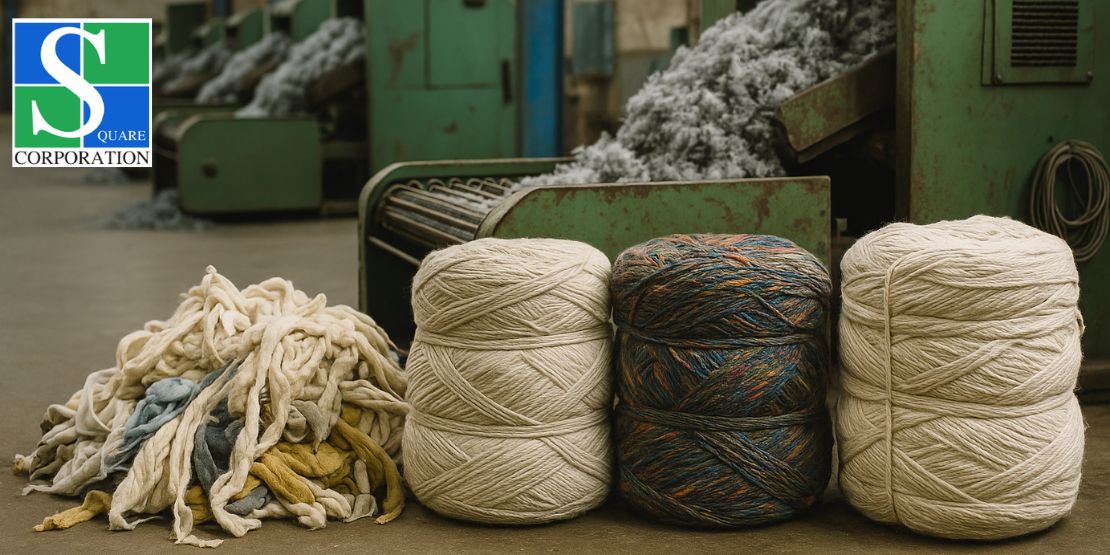
Recycled yarn is created by reusing textile waste materials. This textile waste can be post-consumer waste, which is old clothes, or post-industrial waste, which is factory-driven scraps. The collected fibers are segregated, cleaned, and then processed into new yarn without the use of virgin raw materials. This method is not only helpful in reducing textile waste but also essential for cutting down water usage, energy consumption, and carbon emissions in the yarn production process.

Why Do Export Markets Prefer to Trade Recycled Yarn

If you are familiar with the global textile market and aware of its growing trends, you must understand the factors driving the increasing demand for recycled yarn in the export market.

1. Increasing demand for sustainable product usage

In the 21st century, global consumers, particularly in North America and Europe, are increasingly conscious of using sustainable products. International garment brands and the fashion industry are under immense pressure to meet the demand for sustainable products and reduce their carbon footprint. This global demand is the main factor behind the massive production of eco-friendly and recycled yarns.

2. Maintaining international regulations and standards

Many countries have already imposed strict rules and regulations regarding the use of eco-friendly and sustainable textile production. The EU and the USA are already trying to encourage their textile manufacturer to focus on eco-friendly garments. They even import sustainable and eco-friendly products from other countries. As India is a leading exporter of recycled yarn, most textile mills in Gujarat are focusing on producing recycled yarn. Apart from exporting high-quality recycled yarn, these yarn manufacturers also maintain global certifications, such as GOTS or GRS, to secure a better position in the worldwide textile market.

3. Better cost benefits without compromising the quality

Due to technological advancements, recycled yarn can match the same quality as virgin yarn in every application. As the price of raw materials is increasing rapidly, the demand for recycled yarn is also rising in the export market.

4. Maintain the production transparency

When a yarn manufacturer attempts to establish a presence in the global textile market, it must maintain transparency in its production processes. Recycled yarn manufacturers consistently provide transparency throughout their production process, from waste collection methods to final yarn preparation. It is vital to gain the trust of global buyers and make a reputation in the market.

Challenges to Make an Impact in the Global Textile Market

As India is the leading producer of yarn, most cotton yarn manufacturers in India strive to make their contribution to the worldwide textile market. However, there are some drawbacks associated with the production and export of recycled yarn.

1. Quality control

Maintaining the same standard quality of recycled yarn production is a vital challenge for manufacturers.

2. Limited awareness

Some buyers are still unaware of the enormous benefits of using recycled yarn for garment manufacturing.

3. Poor quality infrastructure

The production of recycled yarn requires durable infrastructure, technical expertise, and skilled labor to meet global standards.

Conclusion

The increasing demand for recycled yarn in the export market is not only a trend but also a global responsibility towards a more eco-friendly production. As international brands are already aware of the importance of sustainable fabric sourcing, the demand for recycled yarn is increasing rapidly. Square Corporation is a leading yarn manufacturer and supplier that can help you obtain premium-quality recycled yarn for your garment manufacturing.

How Eco-Friendly Rayon is Reshaping the Textile Industry

In the realm of textiles, where sustainability meets innovation, rayon or viscose yarn acts as a versatile and eco-friendly fabric option for the textile industry. A reliable and professional viscose yarn manufacturer consistently strives to provide high-quality rayon fabrics that offer an exclusive range of textiles for a distinctive style and environmental sustainability. This artificial silk or semi-synthetic fiber offers luxurious fabric quality at an affordable price.

Yet, behind the manufacturing of rayon lies a negative environmental impact. However, in the 21st century, there is a significant revolution in the rayon manufacturing process. It indicates a reduced environmental impact and a focus on ecological sustainability. Through this blog, we will discuss the vast eco-innovation in the rayon manufacturing process that is reshaping the textile industry.

What Do You Mean by Rayon?

Rayon is one of the most important fabrics in the textile industry, which is referred to as artificial silk or viscose. This fibre is primarily regenerated cellulose fibre, derived from natural sources such as bamboo, cotton linters, and wood pulp. The unique manufacturing process of rayon involves cellulose treatment with chemicals that dissolve it into a viscous solution. After this process, it is extruded into fibers that can be spun into yarn and woven into fabrics.

Purpose of Using Rayon Fabric for Garment Manufacturing

Rayon fabric is one of the most desirable properties for garment manufacturing due to its significant benefits. Let’s discuss them in detail-

  1. Softness of rayon fabric – Rayon fabrics have a luxurious feel, similar to silk, providing a comfortable sensation against the skin.
  2. Versatility in garment manufacturing – When rayon blends with other fibers, such as polyester, wool, or cotton, it creates high-quality fabrics with enhanced properties.
  3. Breathability for humid weather – Rayon is highly breathable, allowing air to circulate through the fabric and keeping the user cool in hot and humid weather.
  4. Drapability for smooth movement – Rayon has excellent draping qualities that enhance the flow and movement of garments.

The Revolution in the Rayon Manufacturing Process

In this segment, we will discuss the rayon manufacturing process in a sustainable manner.

1. Sustainable sourcing: Protect forests while growing fiber

Traditional rayon production relies on the annual use of approximately 200 million trees, which can significantly disrupt the ecological balance of the environment. Now, the sustainable production process of rayon mainly focuses on the following features-

  • FSC-certified wood- beech and eucalyptus forests, where harvest rates are lower than growth rates, yield some rayon.
  • Focus on fast-growing botanicals, such as bamboo, which can be harvested in 3 to 5 years, and agricultural waste like pineapple leaves, to minimize the pressure on ancient forests for rayon production.

2. Chemical-free, eco-friendly manufacturing process

Using chemical composition in the rayon manufacturing process is a dark secret of rayon manufacturing. Toxic solvents, such as carbon disulfide, are commonly used in the production of rayon.

  • Eco solvents- Lyocell uses non-toxic amine oxide instead of carbon disulfide and protects manufacturing workers
  • Water-saving technology – The supercritical CO2 dyeing method for rayon production uses zero water and reduces energy use by up to 75%.

Rayon Manufacturing in a Sustainable Production Process

In the 21st century, India textile manufacturing industry has primarily focused on sustainable textile production for rayon manufacturing, creating a unique combination of style and sustainability.

  1. Focus on Renewable Sources – Rayon is derived from renewable resources, such as bamboo and trees, which are sustainably harvested.
  2. Closed-loop manufacturing – Lyocell is manufactured in a closed-loop process where solvents are recycled with minimal waste emissions.
  3. Biodegradability – Rayon fibers are biodegradable, breaking down naturally over time and reducing landfill waste.
  4. Minimum environmental footprint– Compared with synthetic fibers like polyester, rayon production requires less energy and water, which is vital for a smaller ecological footprint.

A Significant Difference between Rayon and Viscose

The terms ‘rayon’ and ‘viscose’ are used interchangeably, but both have distinct meanings in particular phases.

  • Rayon is a common type of fiber that is made from regenerated cellulose.
  • Viscose refers to a type of rayon that is produced through the viscose process, which involves treating cellulose with sodium hydroxide and carbon disulfide.

Conclusion

When innovation merges with ecological balance, the highest quality materials emerge. If you are in the garment industry and searching for premium-quality rayon, then you must contact Square Corporation. We are the best manufacturer and supplier of certified rayon fabric for the garment manufacturing industry.