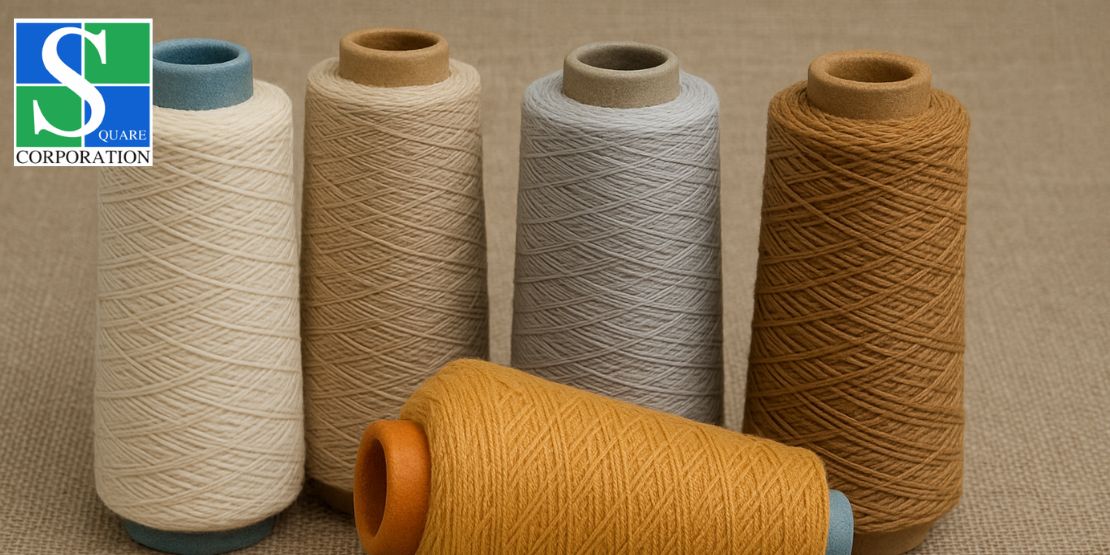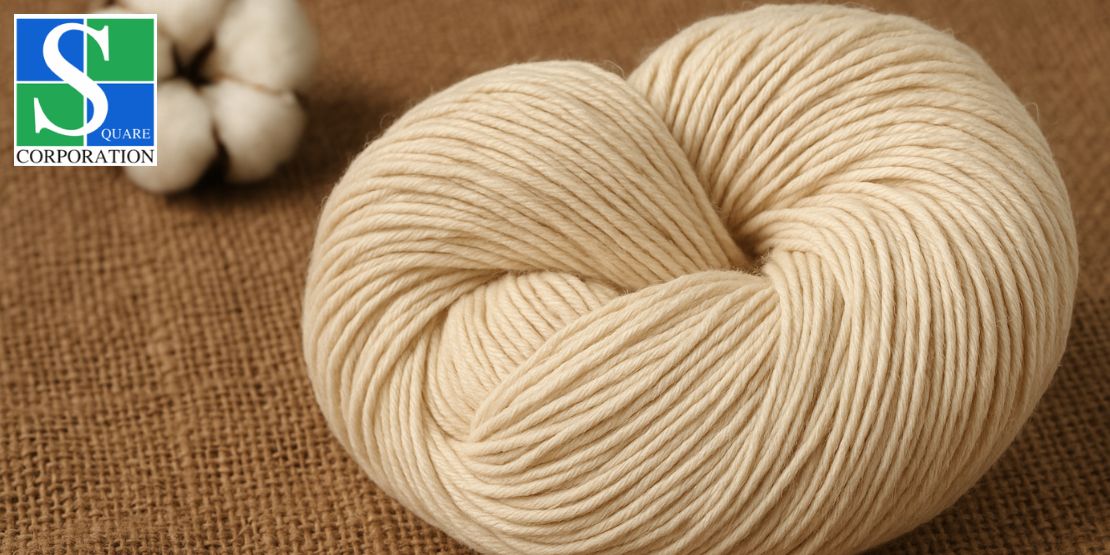
textile mills in punjab square textile company square manufacturing company textile manufacturer

Role of Technology in Modern Fabric Manufacturing Units

Do you want to explore how modern technology is refining the textile industry? The textile industry is one of the oldest and most labor-intensive industries, having undergone several transformations with the advent of modern technologies. From automation technology to smart fabrics, recycled polyester fabric manufacturers employ sustainable production methods to achieve better production outcomes.

Modern fabric manufacturing units are striving to introduce innovation that enhances the efficiency, quality, and environmental sustainability of fabric production. Through this blog, we will explore how technology is revolutionizing fabric production in more innovative and efficient ways.

How Robotic Technology Enhances Fabric Efficiency

By introducing robotic technology into the fabric manufacturing process, it has become possible to reduce human error, lower labor costs, and drive improved production.

  • Robotic knitting and weaving machine – This robotic machine produces fabrics with an exact, customized form, ensuring consistent fabric quality and durability while minimizing material waste.
  • Sewing and cutting through a machine – An advanced form of robotic technology can manage complex tasks such as fabric cutting and stitching and ensure zero material wastage.
  • AI-driven quality control – An AI algorithm can inspect fabric quality, identify material defects, and ensure the production of high-quality fabric.

By utilizing these innovative technologies, any premium-quality fabric manufacturing unit can produce the best-quality fabric to meet market demand.

Get Smart and Functional Fabrics from Innovative Technology

Smart and innovative technology is revolutionizing the creation of smart and functional fabrics for the modern textile industry. Let’s discuss some innovative technologies that can create functional fabric for the textile industry.

  • Wearable technical gadgets– When fabric is embedded with technical sensors such as heart rate, hydration, and body temperature, can support healthcare professionals and athletes.
  • Antimicrobial treatment – When fabric manufacturers incorporate nanotechnology into fabric production, it can prevent bacterial growth and extend the garment’s shelf life.
  • Self-regulating fabrics – Self-regulating fabrics, such as conductive and thermochromic textiles, are adjustable to environmental conditions.

With this innovative technology, wearers can feel ultimate comfort and flexibility. Healthcare professionals, military personnel, and sports personnel primarily use this type of fabric.

Sustainable Fabric Production Technology

Maximum reliable fabric manufacturers focus on sustainable fabric production by adopting eco-friendly technologies. Innovative and technology-based textile mills in Punjab mainly focus on sustainable fabric production for environmental benefits.

  • Dyeing method without water – Any reliable and environmentally friendly fabric manufacturer focuses on the CO2-based dyeing method rather than the water-based dyeing method. It can reduce water consumption by 90%.
  • Recycled fibers – Recycled or reusable fabric has a considerable demand in the textile industry. It saves cost and production methods. Algae-based fibers offer a biodegradable alternative that is highly useful for recycled fabric manufacturers.
  • Energy-efficient production methods – Many reliable fabric manufacturers focus on the use of solar-powered machinery and AI-optimised machinery tools to reduce dependency on fossil fuels and save operational costs in the factory.

Digital Design & 3D Printing for Smart Fabric Production

Some innovative digital tools can create customized fabric designs; let’s discuss them in detail-

  • CAD or computer-aided design– Reliable fabric manufacturers and fabric designers use this software to create intricate design patterns and visualize the final product before final production starts.
  • 3D printing – 3D printing technology enables fabric manufacturers to create customized garments with minimal material wastage.
  • Virtual fit software – These AI-powered tools help users try on clothes digitally and reduce the chance of returns. To enhance the shopping experience for customers, consider using virtual fit software to increase your brand value.

Conclusion

Apart from sustainable fabric production, technology plays a vital role in the modern fabric manufacturing process. This innovative technology brings innovation in automation and smart textiles. Square Corporation, a reputable fabric manufacturer and supplier, utilizes the latest technology, eco-friendly materials, and recyclable materials to maintain its production sustainably. With greater advancements and efficiency, we are striving to meet the demands of the global textile industry.
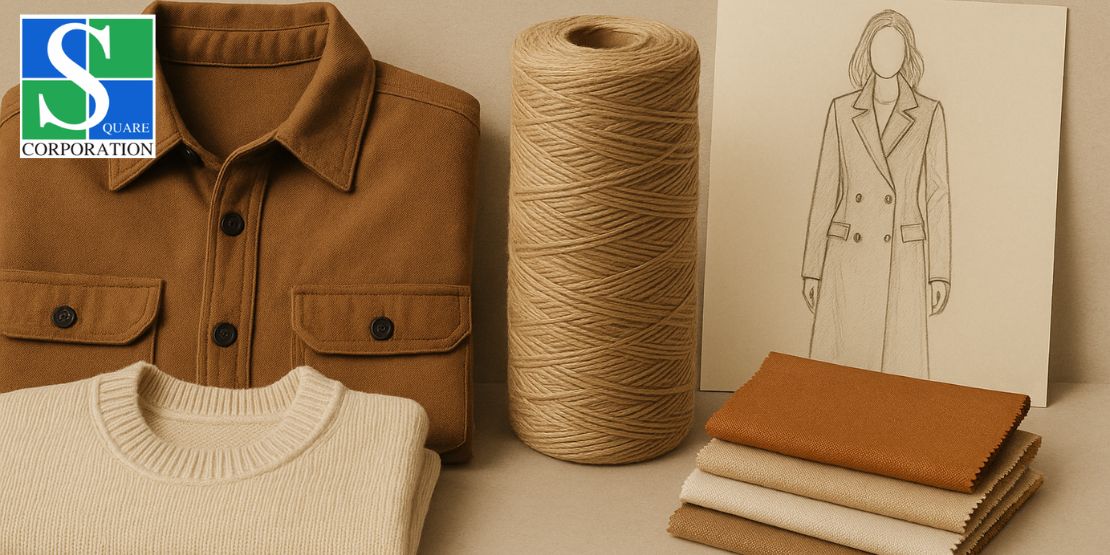
How Durable Materials Help In Fashion Brands?

For fashion brands today, creating clothes that last is more important than ever. Customers want quality, and good quality often means durable materials. But how do brands make sure their products are strong and long-lasting? The answer lies in understanding from where the fabrics come, especially from places famous for their textile industry.

India has a long history in textile making. It is a major hub for wholesale fabric suppliers in India. It means a huge range of fabrics are made here. The way these fabrics are produced plays a key role in how they are turning durable. In this blog you will get insights how durability helps in fashion brands.

Why Durability Matters in Fashion

The Indian textile manufacturing industry plays avital role in the Indian economy. In today’s fast –fashion world, durability has become more important than ever. But how can fashion brands source durable textiles that meet both quality and budget requirements? Let’s see the steps below.

Longer Garment Lifespan

The longer garment lifespan means happier customers, and it also increases business sales. Here are the factors:

  • Durable fabrics maintain their shape, color, and texture through multiple wares and washes.
  • Clothes that last longer become wardrobe staples rather than disposable items.
  • Customers develop stronger brand loyalty when their purchases stand the test of time.

Fewer Returns and Higher Satisfaction

As the fabrics become durable, there is less chance of returns and a higher rate of customer satisfaction. Here are the factors:

  • Durable materials resist pilling, stretching, and fading.
  • Higher quality garments lead to positive reviews and recommendations.
  • Reduced return rates mean lower operational costs for your business.

Cost-Effectiveness

The durable materials came up with cost-effectiveness. Here are the factors:

  • The durable fabrics may cost more upfront, but they save money in the long-term process.
  • Fewer replacements needed mean lower inventory costs.
  • Reduced productivity leads to better resource allocation.
  • Higher perceived value allows for premium pricing.

Key Factors in Fabric Durability

Fabric durability refers to how well a fabric can withstand wear, pressure, or damage. It’s what makes your favorite couch still look great for years or why those curtains in your house are still going strong. Here are the key factors.

Fiber Type

A fabric’s fiber type plays a large role in its strength. Natural fibers like cotton and wool are known for their comfort. But polyester and nylon are enquired for toughness.

Weave and Construction

How a fabric is woven significantly impacts diversity. Tighter weaves tend to be more durable than loose weaves. The construction technique also matters.

Finishes and Treatments

Many fabrics undergo special treatments to enhance their durability. These treatments can include stain resistance, water repellency, and UV protection. These finishes can significantly extend the life of a fabric, especially in high-use environments.

Role of Textile Manufacturing

The textile sector is one of the oldest industries in the economy. The Indian textile manufacturing plays a magnificent role in the Indian economy. The industry is extremely varied with hand-spun and hand-woven textile sectors. The financial strength of the textile industry is its strong production base. It creates a wide range of yarns from natural fibers like cotton, jute, silk, and wool. According to IBEF, in 2022-23, the production of fiber in India stood at 2.15 million tonnes. While for yarn, the production stood at 5,185 million Kgs during the same period. It is expected to grow from $138 billion to $195 billion by 2025 (source).

The Conclusion

In conclusion, durable materials for fashion brands are indeed possible through careful material selection, skilled manufacturing processes, and reliable suppliers. The brands can create long-lasting products by focusing on these aspects. It also grows consumer demand for quality and sustainability in fashion. Visit Square Crop for durable materials in fashion and get the best results.

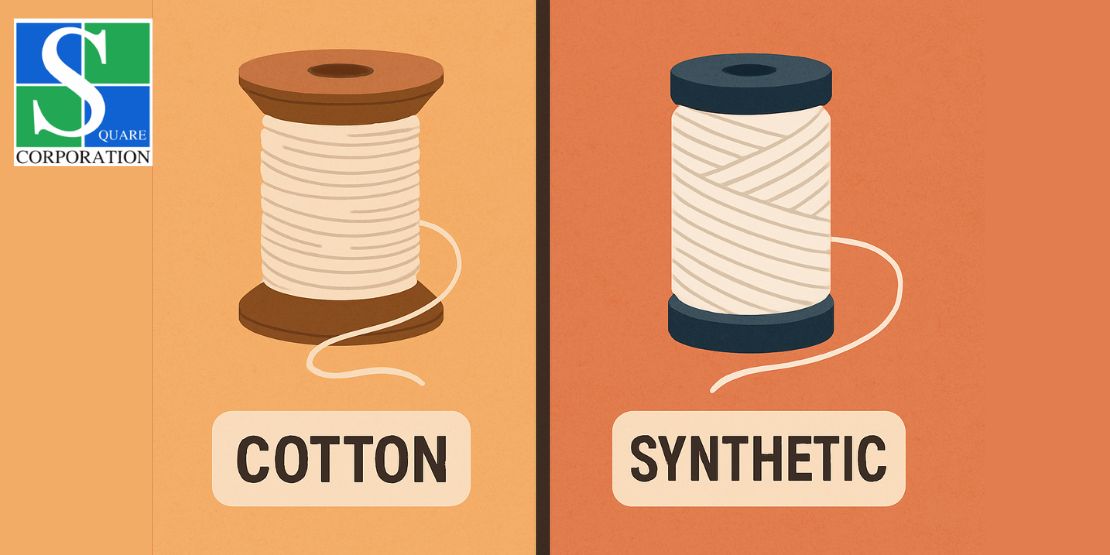
Cotton Thread vs Synthetic Thread: An Industrial Approach

The textile and garment manufacturing industry continuously experiments with new and innovative garment manufacturing processes that can save time and reduce costs while providing premium-quality products. In such cases, reliable fabric manufacturers in India always strive to use premium-quality cotton and synthetic threads in the fabric manufacturing process. Choosing cotton or synthetic thread is not just about material preference for industrial use. It is essential in production methods, performance characteristics, and different industrial applications.

Maximum reliable fabric and garment manufacturers have preferred to use cotton thread for centuries; synthetic threads are vital for mass production, cost efficiency, and durability. Through this blog, we will discuss the manufacturing process, functional properties, and applications of cotton and synthetic threads in various industrial settings.

Origin and Usefulness of Cotton Threads

Garment manufacturers have been using cotton thread for over 7,000 years, with the advent of machine-spun cotton production. Natural cotton fibers are spun and twisted into thread, whereas traditional cotton thread is treated with caustic soda to enhance dye absorption, strength, and luster. Now, let’s discuss the usefulness of using cotton threads for industrial usage-

  • The soft and matte finish criteria of cotton threads are ideal for manufacturing natural fabrics such as cotton, wool, and linen.
  • Cotton threads have excellent heat resistance capacity that does not melt under high ironing temperatures.
  • Cotton threads are dye-friendly and absorb dye uniformly, making them ideal for solid-colored garments.

The Usefulness of Synthetic Threads in Modern Industrial Usage

Synthetic threads, such as nylon and polyester, have become a vital component of the modern textile and garment manufacturing industry. Due to their impressive strength and cost-effectiveness, synthetic threads are gaining popularity for various industrial applications. let’s discuss them in detail-

  • Due to the higher tensile strength, synthetic threads can withstand repeated stress and abrasion.
  • Synthetic thread is renowned for its UV resistance and mildew resistance, which are vital for outdoor wear.
  • Due to minimal shrinkage, synthetic threads retain their original shape after multiple washes.

Cotton Threads Manufacturing Process

Reliable fabric manufacturers consistently strive to utilize premium-quality spinning mills in Punjab to produce high-quality cotton threads in a significant manner. Let’s discuss it in detail-

  • Fiber selection – Fabric manufacturers constantly strive to use long-staple cotton to produce high-quality cotton threads.
  • Combing – After selecting the fiber quality, it is cleaned, aligned, and converted into yarn.
  • Mercerization – This process is vital for improving the strength and dye uptake of the cotton threads.
  • Plying – In this step, multiple cotton yarns are twisted together to enhance the durability of the cotton threads.

Synthetic Thread Manufacturing Process

Apart from cotton thread manufacturing, the synthetic thread manufacturing process is also vital for producing high-quality garments. Let’s discuss the manufacturing process of synthetic threads.

  1. Polymer extrusion-It is the first step, where melted polyester is forced into a spinneret to create filaments.
  2. Drawing – In the 2nd step, filaments are stretched for strength and textured for bulk.
  3. Lubrication – the resin coatings on synthetic fibers can improve abrasion resistance and sewing performance.

Industrial Application of Cotton and Synthetic Threads

In this segment, we will discuss the industrial application of cotton and synthetic threads. Let’s discuss them in detail-

  • Denim and workwear industry – Cotton threads are useful for heritage and jeans manufacturing. Whereas polyester synthetic threads are beneficial in this industry due to their impressive durability.
  • The outdoor gear industry– Utilizes polyester and nylon threads for manufacturing outdoor gear due to their impressive UV resistance.
  • Dyeing and custom finishing industry – Synthetic threads are useful for garment manufacturing in this industry because they can resist dye and remain visible.
  • The embroidery industry– Utilizes cotton threads for their matte finish look.

Conclusion

There must be a constant debate between cotton and synthetic threads due to their superior quality and impressive industrial applications. If you come from a specific industry, you must make good decisions between synthetic and cotton threads. However, if you want premium-quality cotton thread or yarn, you must contact Square Corporation for the best-quality cotton threads. Our premium-quality cotton yarn surely meets your industrial requirements.

An Invaluable Guide on the Types of Conventional Threads

Threads or yarns are the basic components which a fabric consists of. The yarn manufacturers group and twist several strands of fibres together to make a perpetual length of interlocked fibres. The process that helps in this twisting or grouping of the fibres is known as spinning. The fibres that create the yarn can be synthetic, natural, a blend, or even a combination of both.

Among them, cotton is the most commonly used natural fibre. Some other natural fibres are linen, bamboo, jute, wool, silk, and angora. Among all the synthetic fibres, polyester is the most widely used one. The manufacturers knit or weave the yarns together to make the fabric. Yarns hold great importance in knotting, crocheting, embroidery, and rope-making.

Some fabrics, such as chiffon, can incorporate multiple types of yarns, including polyester chiffon and silk chiffon. Below are some common examples of conventional yarns used in the textile industry. Contact a reputable recycled yarn manufacturer to purchase premium-quality yarns at exciting offers.

The Common Types of Conventional Yarn

There are several categories of yarns based on fibre type, stretch, numbers of fibres, fibre production process, and other factors. Below, we are going to jot down the most common categories of conventional yarns used in the textile sector.

Carded Yarn

The first significant example of conventional yarn is carded yarn. Carding is a process that aligns fibres and removes impurities to form carded yarns. Carded yarns have a rustic appearance and offer extraordinary softness and insulation. Carded yarns are ideal for making cosy blankets, sweaters, and other warm garments.

Combed Yarn

The next prominent category of conventional yarn is combed yarn. Combed yarn undergoes a procedure called combing. In this process, manufacturers meticulously align the fibres to form a finer and smoother yarn. Combed yarn is famous for its smoothness, uniformity, and strength. This makes them a suitable choice for high-quality fabrics, such as luxury textiles and fine clothing.

PC Yarn

PC yarn, also known as polyester-cotton yarn, is a prevalent category of yarn used in textile mills in Gujarat. PC yarn is a blend of cotton and polyester fibres, making it a versatile textile material. PC yarn is a prevalent blend that offers a combination of comfort and durability. Though the blend of PC yarn may vary, the common ratios involve 65% polyester and 35% cotton. This yarn is renowned for its reduced wrinkling, enhanced durability, cost-effectiveness, and moisture-wicking properties.

Organic Yarns

Do you know what organic yarns are? Organic yarns are high-quality products made from organic cotton. Organic cotton is a natural product and thus has no connection with agricultural procedures. Yarn manufacturers inspect these yarns at every stage of the manufacturing process. From the land activities until the end product reaches the customers, these yarns go through rigorous inspection procedures.

Double Yarn

Also known as two-ply yarn, double yarn is a product created by twirling two single yarns together. This procedure strengthens the yarn and can also impact its appearance and texture. A prevalent example of double yarn is DK yarn, also known as double-knitting yarn. DK yarn is a famous medium-weight yarn used in crochet and knitting. Double yarn is renowned for its exceptional texture, strength, appearance, and versatile applications.

The Bottom Lines

So these are some widespread examples of conventional yarn. Contact one of the best recycled yarn manufacturers, Square Corporation, to access a vast range of traditional yarns, including BCI yarns, linen, combed, double, and organic cotton yarns. Get in touch with us to know more about our products.

How to Overcoming Shortage in Organic Cotton Supply

With increased demand for sustainable fashion, organic cotton is increasingly becoming a must-have for green brands. Yet, supply lags behind due to constrained certified land, reduced yields, climate disturbances, and high costs of production. In order to close the gap and make sure that everything is sustainable, companies need to find creative solutions in every segment of their supply chain. In order to have a stable supply, one should reach out to organic cotton manufacturers in India.

With the increasing demand for sustainable fashion, organic cotton is increasingly being appreciated. Yet its supply is most often inadequate owing to scarce land available for farming, high cultivation expenses, and unpredictable climatic patterns. These shortages have to be bridged by intelligent methods by companies and stakeholders. In this article, we will give you a list of methods to bridge the shortage in organic cotton supply.

Hints For Overcoming Organic Cotton Supply Shortages

Strengthen farmer relationships

Build directly with farmers through long-term contracts and form fair trade alliances based on mutually equitable relationships. Offer intensive training and support that focuses on organic farming practices, allowing farmers to raise their yields while greatly minimizing crop loss risk. Furthermore, it offers access to financing and crop insurance, especially to organic cotton farmers, to ensure a seamless shift from conventional to sustainable organic agriculture. Furthermore, if you want to manufacture the best finished products for your customers, a spinning mill in Gujarat can help you do so.

Invest in regenerative agriculture

Adopt regenerative agricultural practices—e.g., crop rotation, composting, and organic pest management—to measurably increase soil health and improve cotton production. These methods have been shown to revolutionize agricultural results and promote a secure future for agriculture. Promote and demand transition programs to assist conventional cotton producers with their transition to certified organic, thus increasing the world’s supply base and providing a sustainable future for the industry.

Support innovation and R&D

Invest in higher-quality seeds that not only have resistance to pests but also have improved resistance against drought, which can make the crop more sustainable. Also, invest in cutting-edge technology that can simplify organic certification procedures and monitor soil health parameters. This will make it easier to comply, reduce the burden on farmers, and promote a healthier agri-ecosystem.

Educate consumers

Transparency regarding the intricacies of material sourcing is important, especially for cotton. Through furnishing clear information regarding these complications, we can stress the merits of opting for blended or transitional cotton. This can not only help bridge the distance to full organic certification but also encourage consumers to be responsible and sustainable in their choices. Even if a product is not completely made from organic cotton, informing consumers with information enables them to choose those that are even more planet-friendly and helpful towards the cause of overall sustainability.

Diversify sourcing regions

In order to cultivate resilience in sourcing strategies, it is important to prevent dependence on a single nation or region. By diversifying the sources of organic cotton produced from various areas, like India’s green fields and other parts of the world, organizations can successfully counter risks due to unstable weather patterns, political unrest, or regional shortage. This planning also safeguards supply chains and fosters a healthy and sustainable sourcing system.

Solving the urgent shortage of organic cotton is not about seeking fast fixes; it is about building strong, ethical, and scalable systems that will last the distance. Investing in farmers’ livelihoods, increasing transparency along supply chains, and adopting flexibility in design processes allows fashion to turn sustainability from a passing fad into an actual, enduring reality. This holistic approach will foster a more responsible and conscientious sector, benefiting both people and the planet.

Why Handmade Cotton Thread is Gaining Popularity

India also has an extremely ancient history of being part of the top textile and cotton producers in the world, and its industry of yarn manufacturing is significant to the world economy. However, in recent years, one can observe a change in the customers. They started opting for environmentally friendly materials, and hence, handmade cotton yarn is highly sought after. With the help of the best cotton yarn manufacturer, you can get the best hand-knitted cotton yarn in order to acquire the desired material.

But why is handmade cotton thread so popular today? Just because of its sustainability? Well, not really; there are other reasons as well. In this article, we will come up with the main reasons why handmade cotton thread is so popular. So, continue reading till the end of this article to know more about it in detail.

Reasons The Handmade Cotton Thread is So Popular

Handmade cotton yarn is making a dazzling return to the world of fashion, driven by its ecological sustainability, top-tier craftsmanship, and top-of-the-line quality. Learn why more and more consumers are turning to it.

Sustainable

Organic, high-quality cotton is hand-spun in small lots to create cotton yarn, leaving a significantly lesser environmental footprint. Its natural nature with no nasty chemicals or too much processing makes it the perfect choice for eco-friendly creators wishing to reduce their carbon footprint. Get the best hand-spun cotton yarn for your next project with the help of best spinning mills in India.

Supports the community

The employment of hand-spun yarn tends to privilege local weavers, master spinners, and dynamic women’s cooperatives. This does not just help sustain traditional time-honored skills but also promotes moral work conditions and just compensation, creating a sustainable model for the textile business. Handmade is the choice that favors cultural heritage while empowering local artists.

Naturally dyed and commissioned color

The majority of hand-spun yarns are hand-dyed with vegetable dyes or low-impact dyes, which not only result in a softer and richer color but also a more one-of-a-kind color than its industrially produced equivalent. Every skein is a tale in itself, a testimony to nature’s work of art and replicating the forms and colors of nature, along with the artisan’s work. If you want best-quality hand-spun cotton, then the best cotton yarn manufacturer would be the ideal one to opt for.

Unique texture and quality

Unlike machine-spun yarn, hand-spun cotton yarn has a beautiful array of small twists in texture, weight, and twist. These independent variables provide every strand with a natural and authentic appeal, allowing each piece to be a unique creation. Using handmade yarn, the skill comes through, allowing a more individual and handmade quality in your creations.

Slow making and mindful crafting

The arrival of the slow fashion and slow crafting ideals beautifully coincides with the embracement of lovely, handmade materials. The crafters often form an intense bond with what they produce when working with threads that are infused with love and intentionality, each thread carrying a tale of craftsmanship and artistry. This aware process not only enhances the creative process but also the appreciation of the craftsmanship in each product, of the beauty in good-quality, well-made things.

These are some of the reasons why people are moving towards handmade cotton yarn compared to usual ones.