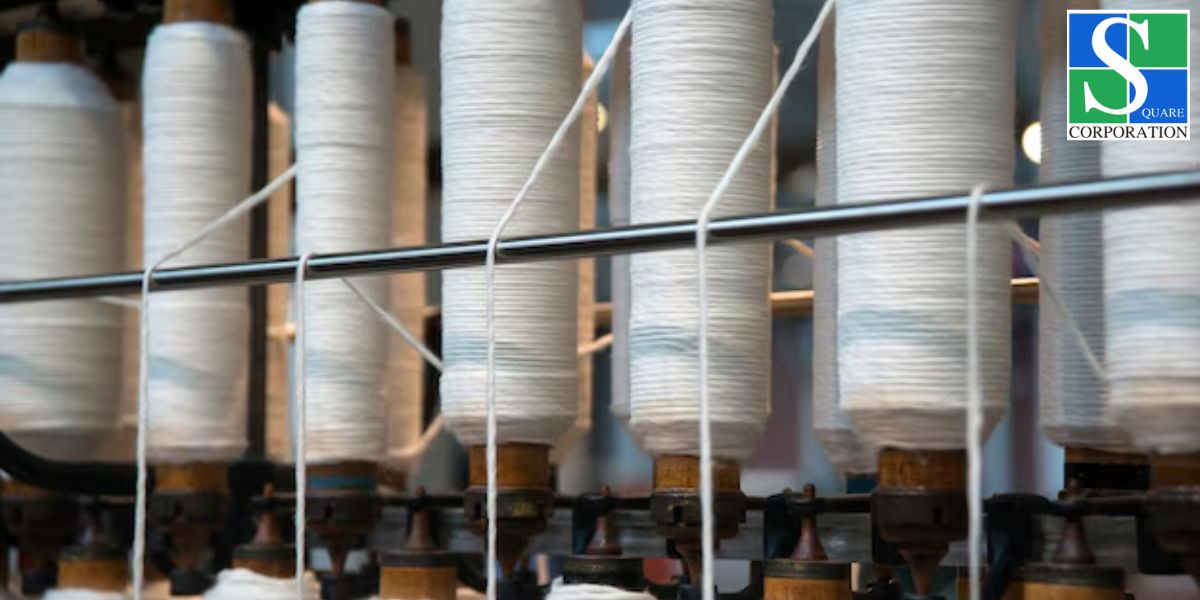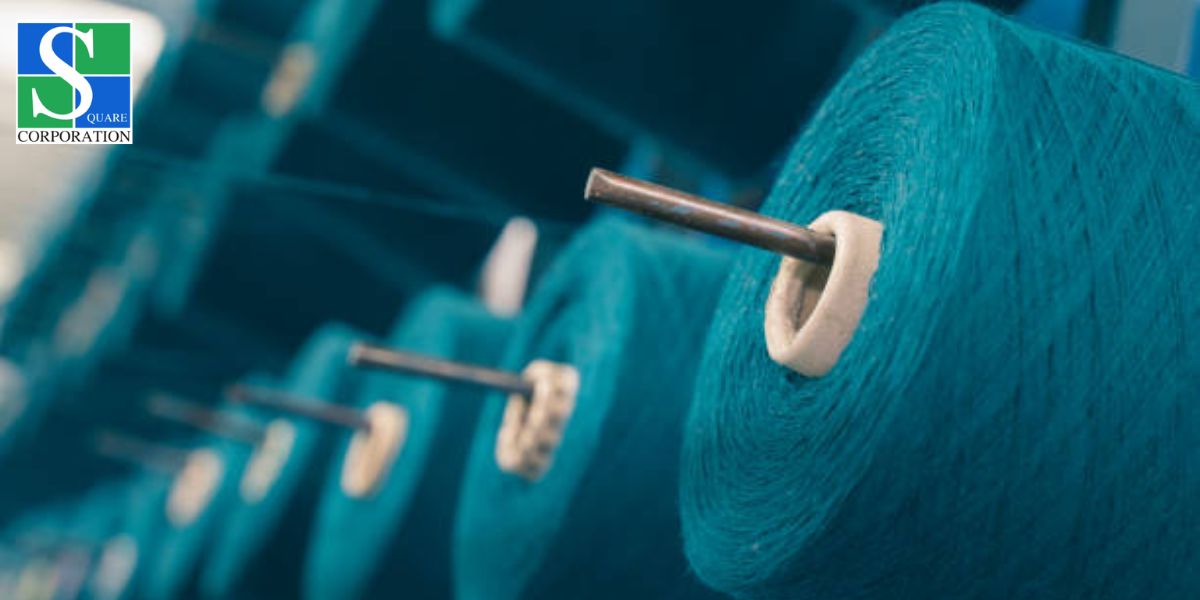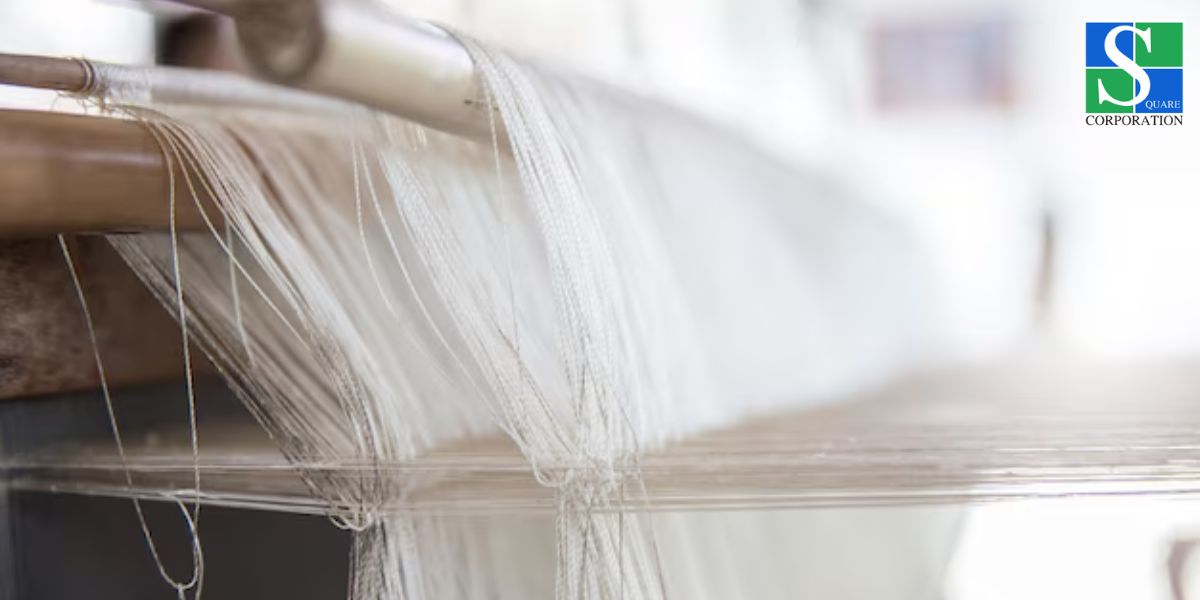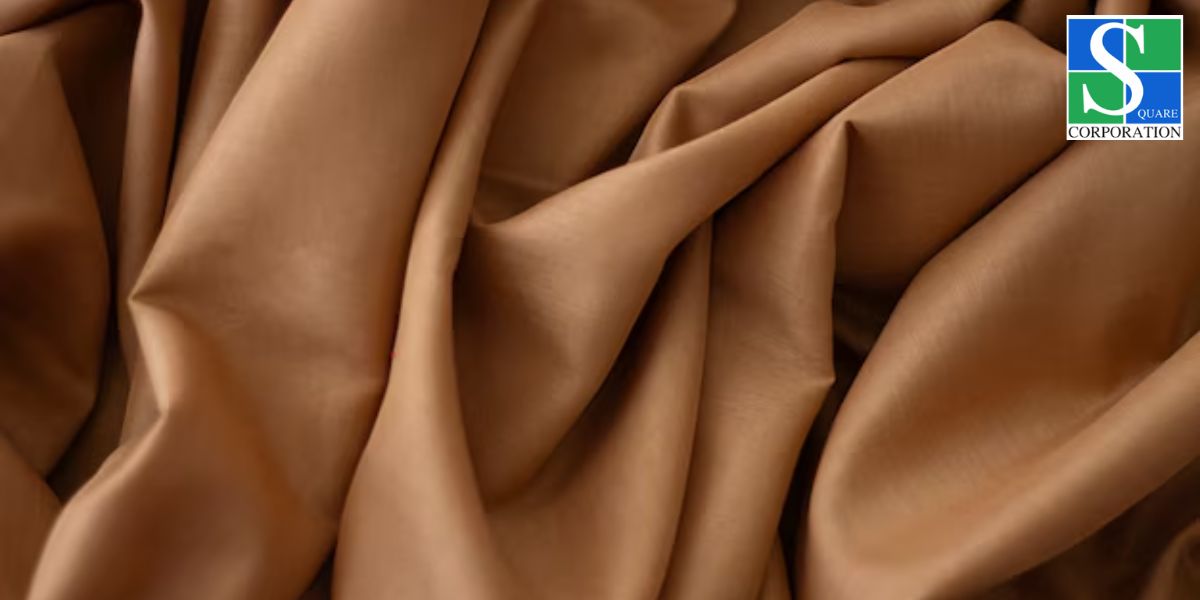
textile mills in punjab square textile company square manufacturing company textile manufacturer

Top 10 Sustainable Garment Fabrics for Eco-Friendly Fashion

Do you have an interest in upgrading your fashion brand towards sustainable and eco-friendly fashion? If you are interested in sustainable fashion, you must consider the importance of choosing sustainable garment fabrics for eco-friendly fashion. Sustainability is not a trend. It is a necessity because the fashion industry is moving towards more environmentally conscious practices.

Sustainable fabric helps to conserve natural resources and reduce pollution. Among a variety of types of sustainable fabric, organic cotton is one of the most popular; try to choose the best organic cotton manufacturers in India to get the best quality suitable garment fabric. Through this blog, we will discuss the top 10 sustainable garment fabrics for eco-friendly fashion.

Top 10 Sustainable Garment Fabrics for the Latest Fashion

When you decide to make your garment brand more advanced and one step forward towards eco-friendly fashion, you must explore the top 10 types of sustainable garment fabrics for the latest fashion.

Organic Cotton

Organic cotton is the top sustainable garment fabric that is grown without synthetic pesticides or fertilizer. It is certified by GOTS ( Global Organic Textile Standard), which ensures ethical labor practices without damaging the environment. Organic cotton is ideal for garments for daily use, especially in summer weather.

Linen

Linen is another popular sustainable fabric that comes from the flax plant. It needs minimal water and pesticides to produce. The breathable and biodegradable feature of linen makes it ideal for sustainable fabric. This fabric is easy to wash and is famous for its long-lasting usability.

Bamboo Fabric

Bamboo is a fast-growing plant that needs less water and less pesticides, the same as linen yarn. However, the sustainability of the bamboo fabric depends on its production system. Bamboo fabric is famous for its antibacterial and biodegradable properties.

Hemp

Hemp is another popular sustainable fabric that does not need any pesticides to produce. It is strong and breathable. If you want to flourish your conventional textiles, you must focus on using hemp fabric for your garment manufacturing. It is affordable and easily available.

Wool

Wool is a biodegradable and natural fabric that is famous for its immense sustainability. If you choose a reliable wool yarn manufacturer and supplier, you must ensure that they maintain proper humanity while getting wool from the sheep. It is vital for a sustainable and ethical yarn manufacturing process. Alpaca wool and recycled wool are some excellent quality wool for eco-friendly fashion.

BCI Cotton

BCI (Better Cotton Initiative) cotton yarn is one of the most useful sustainable fabrics that always focuses on the environmental impact and other social responsibility during cotton cultivation. Farmers who cultivate BCI cotton yarn always focus on the ecological implications. Reliable BCI cotton yarn manufacturers always try to provide the best quality cotton yarn for eco-friendly fashion.

Recycled Nylon

Recycled nylon is a unique, sustainable fabric that is made from discarded fishing nets, plastic waste, and fabric scraps. This type of fabric is suitable for swimming suit manufacturing due to its elasticity and durability.

Pinatex

Pinatex, or Pineapple leather, is a unique type of sustainable fabric that is produced from discarded pineapple leaves. This fabric is helpful for jacket manufacturing.

TENCEL(Lyocell)

It is a biodegradable fabric that comes from wood pulp of eucalyptus trees. Tencel is a soft and breathable fabric that is famous for manufacturing activewear and lingerie.

Recycled Polyester(rPET)

Last but not least, recycled polyester is a unique type of sustainable fabric that is produced from recycled plastic bottles and ocean waste. This fabric is perfect for making swimming costumes, sportswear, and jackets.

Conclusion

Selecting a sustainable garment fabric is vital for enhancing your brand reputation and beating the market competition. If you want to create something big for eco-friendly fashion, you must contact the Square Corporation. We are the top manufacturer of suitable fabric for garment manufacturing. By prioritizing your needs, we will provide you with a premium range of sustainable fabric.

Why should You Choose Cotton Yarn for Summer Clothing?

When the scorching summer heat starts to give you sweat, you must think about wearing the most comfortable and breathable fabrics; among the myriad options available, people always choose cotton yarn for summer clothing. Its natural properties make it ideal for manufacturing lightweight, durable, and stylish summer clothing that keeps you cool in the hot summer days. Whether you are knitting a breezy top or a lightweight shawl, cotton yarn always ensures that the handmade garment piece is stylish and practical.

To get the best quality cotton yarn for your garment manufacturing industry, you must contact the top wholesale fabric supplier in India. Through this comprehensive study, we will discuss the reasons why you should choose cotton yarn for comfortable summer clothing manufacturing.

Explore the Versatility of Cotton Yarn for Summer Clothing

Before understanding the immense benefits of choosing cotton yarn for summer clothing manufacturing, you must understand the types of cotton yarn available in the markets; let’s check this out

Pima cotton-

This cotton yarn is famous for its strength and silk-like softness. If you want to manufacture a premium range of cotton garments, this fabric is perfect for you.

Organic cotton-

It is the most versatile, eco-friendly, and chemical-free cotton yarn that is suitable for sustainable clothing manufacturing.

Mercerized cotton-

This type of cotton yarn is popular for its sheen and durability, and it is ideal for stitch work.

Cotton blends-

Cotton blending yarn with bamboo, linen, and acrylic gives huge strength. This type of cotton yarn is famous for its high breathability and stretch.

Reason for Choosing Cotton Yarn for Summer Clothing

When you decide to choose cotton yarn for summer clothing manufacturing, you must understand its immense significance.

Excellent moisture retains the capacity

Cotton excels at absorbing and wicking moisture away from the body; it can keep up to 27 times its weight in water, keep sweat away from the skin, and facilitate quick evaporation. This feature is perfect for considering cotton clothing in humid climates. Apart from all, cotton yarn dries faster than many other natural fibers.

Immense breathability and airflow

Cotton’s open fiber structure allows air to pass freely and prevents heat from trapping against the skin. It acts as a natural ventilation that is the most beneficial for hot and humid weather. Thus, cotton yarn is perfect for making t-shirts, lightweight dresses, and cotton shawls.

Softness and perfect for sensitive skin

Cotton yarn is famous for its inherently soft and hypoallergenic quality. Thus, it is perfect for sensitive skin. Pima cotton and mercerized cotton are the prime members of this segment. Pima cotton gives a luxurious finish, while mercerized cotton enhances smoothness. These two types of cotton yarn are perfect for baby clothes.

Versatility in design

Cotton yarn is famous for its unmatched shine and design versatility. Its excellent stitch definition makes it ideal for intricate design patterns with the blending of bamboo and linen. Linen is also famous for its high breathability and quick drying features. When you decide to manufacture stylish cotton garments with the touch of linen fabric, try to choose the best linen fabric manufacturers in India. It will help you to get the best quality linen fabric for your garment manufacturing.

Conclusion

Cotton yarn’s natural breathability and skin-friendly comfort make it ideal for perfect summer clothing manufacturing. Whether you are the manufacturer of cotton dresses or cotton shawls, try to buy the best quality cotton yarn to enhance your brand value and garment quality. Contact with Square Corporation. We are the top manufacturer and supplier of cotton yarn throughout the world.

Facing the Fabric Challenges Yarn Fabrication Encounter

The cotton yarn market is crucial to the textile and clothing industries. The yarn is a critical raw material in clothing and home furnishings due to the fact that it possesses a silky feel and a soft hand, thus especially suitable for products where fabric hand matters. The manufacture of cotton apparel and domestic textiles is controlled by large exporters such as China and India, highlighting how important it is to track the price of cotton yarn. This is an important aspect for cotton yarn exporters, otherwise they will be investing in a lump sum amount.

But you are aware or not that many problems are experienced by cotton yarn factories in their business? They must correct all those things promptly, otherwise things would go too far. Want to know all about it, just read out this article till the end.

Common Problems Cotton Yarn Manufacturers Encounter

Cotton yarn manufacturing is a dynamic and highly competitive industry that is faced with a number of challenges. These challenges significantly affect production efficiency, quality of the product, and profitability in general. Some of the major challenges faced by cotton yarn manufacturers are presented below.

Labor intensive process

Cotton yarn manufacturing involves skilled hands for critical operations like spinning, weaving, and quality inspection. Securing and retaining such labor can be a challenge, but it is essential for maintaining higher standards. Second, rising labor costs are a major concern because they have a material impact on profitability, particularly in industries where labor is a high proportion of the cost of production. Prioritizing efficiency and innovative solutions will see these overcome. To achieve the best-finished products, you ought to source the cotton from the finest organic cotton farms.

Environmental and sustainability issues

The production of cotton yarn is a resource-intensive activity that demands enormous amounts of water and energy. Proper management of resources is imperative to achieving sustainability. Proper management of waste products, such as cotton dust and chemical by-products, is essential to reducing environmental impact. As consumer demand for green products rises, producers must adopt sustainable practices that balance costs and production adjustments in the short term. Such steps are not only a necessity, however, but are also a means to assume leadership in ethical production.

Supply chain management

Having a steady supply of raw cotton is essential to our success. Disruptions in the supply chain, such as transport or geopolitics, can significantly impact production. Proper inventory balancing to meet sufficient demand without the risk of overstocking is one challenge we are willing to do right away. If you prefer the finest cotton from the finest organic cotton farms, then you must conduct proper research before acquiring one.

Consumer taste and inclination

To suit the changing needs of consumers, with more demand for organic and green products, organizations must adapt and innovate. Without a doubt, the trend towards fast fashion dictates rapid production speed in time and new releases all the time, which makes the manufacturers resort to a more responsive approach.

Cotton yarn producers face numerous challenges that require strategic planning, investment in technology, and a strong commitment to sustainability and quality. By taking the lead to overcome these challenges, producers can significantly enhance their competitiveness, maximize efficiency, and respond accordingly to evolving market needs.

The Importance of Fiber Blending in Yarn Fabrication

Mixing natural and man-made fibers produces fiber blends that deliver maximum benefits. Blends improve characteristics such as texture, strength, breathability, and ease of maintenance. The right blend transforms a fabric, making it suitable for diverse applications, from durable upholstery to luxurious garments. Therefore, manufacturers must mix fibers correctly to ensure the final products are both high-quality and desirable. If you want the perfect fiber, then there is one spinning mill in Punjab where you can get it.

With so many yarns to pick from, you may ask yourself, “What is blended fabric?” Blended fiber yarn is a great choice for whatever project your company is undertaking. It is yarn produced by blending two or more different fiber types to form a fabric which accentuates each fiber’s best characteristics. The blended fibers can be synthetic (such as polyester or nylon), natural (such as cotton, wool, or silk), or a mix of the two. In this article, we will proceed with the significance of fiber blending in yarn production.

Significance of Fiber Blending in Yarn Manufacturing

Fiber blending is a vital yarn manufacturing process that combines two or more fibers to create yarn with improved properties. It is possible for manufacturers to produce specialized yarns that suit particular requirements. With certainty, let us address the significance of fiber blending in yarn making.

Improved aesthetic qualities

Blending is a process that is hard and intense in nature, giving dramatic texture, color, and finishes. The blending of fibers of different colors enables the yarn to have fantastic heather or mélange effects. Smooth and rough fibers contrast to form yarns that have interesting tactile qualities. Even blending in artificial fibers such as nylon or polyester imparts to the yarn an attractive, subdued sheen. The viscose yarn manufacturer is the optimal place to blend the fibers together smoothly.

Sustainability and eco-friendliness

The blend of recycled or sustainably sourced fibers with normal fibers greatly reduces environmental degradation. The combination of organic cotton and recycled polyester is one such combination that produces ecologically friendly yarns that not only reduce wastefulness but also do not affect quality and durability. Blending biodegradable fibers such as Tencel or bamboo in such mixtures also contributes to the sustainability of such fibers, promoting environmentally friendly textile business and offering luxury feel as well as comfort.

Improve comfort and wearability

Blending fibers greatly enhances the feel and usability of the end product. Blending cashmere or merino wool with cotton creates a soft, silky yarn that lends any piece of clothing a unique quality. Mixing natural fibers like cotton or linen with synthetic fibers enhances the provision of air circulation, which makes textiles more versatile. Mixing wool with acrylic also offers warmth without the extra weight, making it convenient and cozy in any weather. With the assistance of the finest spinning mill in Punjab, you can produce the ideal piece for the next product.

Cost-effective

Mixing costly fibers with lower-cost ones in a strategic attempt to lower production costs without compromising quality guarantees quality products for all. Mixing high-cost materials like silk or cashmere with lower-cost fiber like acrylic or cotton makes costly yarns affordable for all. Recycled fibers with such combinations not only saves cost but also ensures eco-friendliness, which strengthens our eco-friendly position.

Fiber blending is a cornerstone of modern yarn manufacturing, enabling the manufacture of yarns with certain properties that meet diverse needs. By blending the advantages of different fibers, manufacturers can produce yarns that are stronger, more comfortable, cost-effective, and sustainable. The process not only enhances functionality and aesthetics in textiles but also drives innovation for the industry as yarns can keep pace with evolving consumer needs and technological advancement.

What Are Different Types of Cotton Available in the Market

Cotton, a natural plant fabric, is essential in the fashion and textile industries. Cotton is widely used in clothing production and other applications due to its soft and breathable qualities. This industry’s success can be attributed to its popularity and outstanding attributes. With the help of the best cotton spinning mills in India, companies can make incredible cotton goods for their clients.

With cotton creating a cultural legacy over the years, India is the leader in textiles. Indian textiles, particularly cotton ones, are well-known. Pure handloom sarees are now being worn instead of the glorious muslin drapes of Mughal palaces. Therefore, this article will give you a list of various types of cottons in the market. So, let’s see that in detail.

Various Types of Cotton Available in The Market

Cotton is a highly versatile and universally used natural fiber, with many varieties in the market, each with unique features that qualify them for various uses. So, let’s see the different types of cotton.

Pima cotton

Pima cotton is the world’s best. Due to its long fibers, this extra-long staple (ESL) cotton is very soft and durable. The result? Smoothly luxurious fabric that won’t rip, tear, pill, wrinkle, or fade easily. It’s no wonder so many fabrics label themselves as the most Pima. But based on a new test, most of the cotton is not pure as it claims. Only Pima cotton ensures that its fabrics are composed completely of Pima cotton for quality you can see, feel, and trust. With the assistance of the top organic cotton yarn exporter, individuals can export this cotton to create the finished products.

Organic cotton

Farmers can cultivate a wide variety of cotton organically since organic cotton doesn’t come from a specific species. The key principle of organic cotton is to use environmentally friendly methods, such as reducing or eliminating pesticides, to minimize harm to the ecosystem. Another core principle of the textile industry is the prohibition of agricultural genetic modification.

However, some organic cotton is not always of high quality, despite its sustainable production. That is, the cotton plant in question does not necessarily produce the best cotton fabric. Some organic cotton clothing items lack durability and often end up in landfills. Given this, it is possible to doubt the purported sustainability of organic cotton.

Hybrid varieties

Hybrid cotton types have become more popular due to their increased yields and resilience to pests and illnesses. Cross-breeding a number of cotton varieties often produces these varieties. Hybrid cotton cultivation is common in India and has helped to increase the cotton industry significantly. Businesses are able to produce great finished products with the finest spinning mills in India.

Indian cotton fabric

For many years, Indian cotton cloth has been the material of choice for bed linens. Known for its softness and breathability, this exceptional cotton fabric creates cozy and luxurious bedding. Its durability makes it a smart investment that lasts for years. It is a popular choice for designers wishing to add something extra to their home decor because of its distinctive texture and variety of colors.

Each type of cotton possesses distinct properties that make it ideal for various applications. The selection of cotton should be guided by key factors such as softness, durability, sustainability, and the intended use.

Exploring the Diverse Types of Yarn Available in the Market

Cotton, also called the “Fabric of Our Lives,” is essential to the textile industry because of its sustainability, comfort, and versatility. But not every cotton is made equally. Manufacturers, designers, and customers must understand the various cotton varieties, such as carded, combed, compact, and others. With the help of the top BCI cotton yarn manufacturers, you can produce the best products.

By mixing two distinct fibers, the textile industry may create blended yarns that are strong, attractive, and long-lasting. Since most cotton products are pricey, there is a massive need for cotton blends worldwide. The combination lowers costs while providing superior advantages. Different fibers are frequently combined and used for various reasons, such as to feel the quality and obtain extra advantages. This article will give you a list of various types of cotton yarn available in the market.

Various Types of Yarn Available in The Market

Cotton yarn is a versatile textile material known for its softness, airiness, and durability. Cotton yarn comes in numerous types, each being tailored for specific purposes. Let’s explore the varied types of cotton yarn and their distinctive features.

Cotton and wool

Blending cotton and wool can elevate the fabric’s comfort, softness, and durability to a whole new level. Wool lends the cotton and wool combination structure, warmth, and absorbency. It keeps the person warm in chilly temperatures without making them feel heavy. Before selecting the best yarn, you should get the cotton from the best organic cotton farms, which provide quality products.

Mercerized yarn

To neutralize the sodium hydroxide, fiber is chemically treated using a solution of sodium hydroxide, water, and acid. The cotton yarn’s mercerization gives it strength, durability, and dye absorption. The color of mercerized cotton is deeper and more durable. It absorbs water less effectively. Additionally, the cotton yarn seems shiny and silky.

Carded cotton yarn

Carded cotton yarn is produced by a carding process that aligns the fibers, creating a slightly coarser and less refined texture than its combed equivalent. Even with its coarser texture, carded cotton is still soft, making it comfortable against the skin and highly durable. This universal yarn is widely used in the production of casual wear garments, soft towels, and cozy bed linens, and it is a widely used favorite for functionality and comfort in casual wear and home furnishing. You can do the whole process smoothly with the best BCI cotton yarn manufacturers.

Combed cotton yarn

Combed cotton goes one step further in the process by eliminating the shorter strands and contaminants and straightening the fibers. As a result, the cloth is softer, smoother, and of more excellent quality. Because of its exceptional strength and suppleness, combed cotton is recommended for apparel and textiles that come into direct contact with the skin.

Pima yarn

This variety of cotton has lengthy individual fibers. It consequently gains strength, durability, and softness. The American Indian Pima tribe once cultivated cotton strains. The term “Pima Cotton” originated with the Pima tribe.

The diverse range of cotton yarn types opens the door to countless applications, from everyday apparel to luxurious textiles and sustainable fashion. By grasping the distinct properties of each type, manufacturers and crafters can confidently select the ideal yarn for their specific projects, ensuring exceptional quality, durability, and aesthetic appeal. Whether you’re crafting soft baby clothes, robust towels, or stylish knitwear, there’s a cotton yarn type that will flawlessly meet your needs.

Tips for Choosing the Right Cotton for Your Manufacturing Needs

Cotton yarn is an important raw material used by the textile industry, and it’s extremely important to choose the right supplier to ensure consistency, reliability, and affordability. Consistent quality, reliability, and affordability can only be assured through a proper supplier. Cotton suppliers must be assessed based on logistics, sustainability, price, and quality when making a selection. Proper research will help select the best cotton, particularly in searching for quality top BCI cotton yarn manufacturers. By procuring good quality cotton, you make sure that your end product is of top class.

Cotton is the most fundamental of the world’s commodities. Among many other things, humans use it to make clothing, beds, and towels. Cotton buyers must purchase high-quality cotton, and cotton vendors must provide the cotton needed to make these products. Although it can be difficult, finding the best providers is not impossible. In this article, we will help you get the best cotton for your manufacturers. So, let’s start the topic.

Tips For Getting the Right Cotton for Your Manufacturers

Selecting the right cotton type is crucial for product quality. These are essential tips to bear in mind that will make your choice process even better and guarantee that you select the best possible for your production purposes.

Fiber strength

Textiles made from more robust fibers provide longer life, ensuring they are highly resistant to wear and tear. While choosing cotton, opt for those with superior tensile strength so that the material will be able to withstand the usage of heavy loads and retain its integrity as time passes. In the best organic cotton farms, you can get the quality products that you are looking for.

Check the quality

Cotton comes in a variety of weights, which can also have a significant impact on how the fabric drapes and feels. Lightweight cotton is perfect for blouses, summer dresses, and linings; medium weight is suitable for shirts, skirts, and casual wear; and heavyweight is ideal for upholstery, winter clothing, and other durable items. When making a purchase, always feel the fabric to ensure it is comfortable and appropriate for your project.

Color and cleanness

The natural color of cotton must have an evenness free from any stain or blemish. Cleaner cotton not only improves the quality overall but also requires less harsh processing. The decrease in processing not only contributes to decreased production costs but also reduces the environmental impact, making it more eco-friendly. So, before searching for the best BCI cotton yarn manufacturers, you should look for quality cotton.

Sustainability of the product

When choosing cotton products, it’s necessary to look at their environmental and social effects. Choosing organic cotton, which is grown without toxic pesticides and artificial fertilizers, preserves ecosystems and supports healthier soils. Furthermore, choosing cotton that comes from fair-trade processes guarantees that farmers get decent pay and work under safe conditions, supporting sustainable communities. Through such mindful choices, you’re part of an even more ethical and environmentally-conscious textile industry.

Selecting the perfect cotton for your manufacturing purposes is critical and demands proper knowledge of different types of available cotton. By evaluating the principal fiber properties closely and matching them with the end product’s precise requirements, you can make your decisions wisely, which will augment your manufacturing process. Prioritize key factors like fiber length, strength, fineness, and sustainability to be able to make the right cotton choice confidently. This strategic plan will result in the development of high-quality, long-lasting, and sustainable products that are distinguishable in the market.

Top Tips for Cotton Buyers: Finding the Right Supplier for Your Needs

One of the most essential raw resources for the textile industry is cotton yarn. Selecting the right supplier is crucial for consistent quality, reliability, and cost-effectiveness in manufacturing clothing, fabric, or cotton-based goods. When choosing a cotton source, consider logistics, sustainability, cost, and quality. India’s extensive cotton network supplies local and global markets as one of the top cotton producers worldwide. That is why you should get the best suppliers. Also, if you are manufacturing wool items, then before wool yarn manufacturer, you should find the best wool suppliers to make things run smoothly.

One of the most vital commodities in the world is cotton. It is utilized by humans for making towels, bedding, and clothes among many other uses. For producing these items, cotton consumers must acquire quality cotton, and cotton sellers must supply the cotton. Getting the best suppliers can be challenging, but it is not impossible. If you feel the same way, this article will help you. Let’s see that in detail.

Tips For Getting the Best Cotton Supplier Near Your Location

Access the quality of the cotton yarn

The most significant issue when purchasing cotton yarn is quality. The yarn’s strength, softness, and durability directly affect the final textile product. Hence, cotton purchasers must analyze the supplier’s quality criteria before deciding. Before getting the best cotton yarns, you should get the organic cotton manufacturers in India so that the results are promising.

Check the stretch

When combined with other materials like nylon, the cotton yarn does not stretch. Get samples of delicate and complex cotton yarn from a reputable manufacturer to understand the key differences.

Assess the quality of the yarn made of cotton or synthetic fibers and make your choice based on the requirements. Carded cotton yarn, which is not combed, is made from cotton. Additionally, try them before buying to ensure your raw materials are durable and strong.

Reliability and consistency

Their consistency in terms of both amount and quality is crucial. Analyze your suppliers’ past performance in terms of completing orders on schedule and their capacity to sustain a consistent level of quality over time. In most cases, reliable suppliers have put in place strong procedure and systems that guarantee each component of the produced material meets these high standards. You should also take this aspect into consideration when looking for your company’s best wool yarn manufacturer.

Budget is important

Even while most yarn on the market nowadays is of respectable quality, a lower price might not necessarily mean a good deal, but somewhat lower quality. Price and value are crucial considerations when searching for the best cotton yarn.As the cheapest is not always the best, a comparison of labels of different types of cotton yarn would be helpful. While choosing the best cotton yarn for your project, keep in mind the characteristics that will make your customers believe in you.

Through using these thoughtful measures, you will be able to find a cotton supplier who meets your business needs, delivers great quality, and further bolsters your efforts for sustainability and morality.

Sustainable Fabrics: Explore the Power of Eco-Friendly Textiles

Is it necessary to choose the right yarn for fabric sustainability? As the textiles industry is transforming towards eco-friendly gesture, choosing the right fabric is vital for garments’ sustainability. From organic cotton to synthetic polyester, many yarns are available everywhere. However, organic cotton yarn is the most sustainable fabric for manufacturing sustainable garments.

Organic cotton farms play a vital role in manufacturing eco-friendly cotton yarn to minimize the environmental impact and produce the best eco-friendly garments for human health. This blog will explore the power of cotton yarn to enhance the effectiveness of eco-friendly textiles.

What is an Eco-Friendly Textile?

As the textile industry has the most harmful environmental impact, taking significant steps to stop its negative impact is vital. For that purpose, garment manufacturers shift their focus from chemically treated fabric to organic fabric for environmental benefits.

They try to follow natural processes and focus on recycling the finished products. Zero chemical use, less water conservation, reduced energy consumption, and ensured international certification are signs of eco-friendly textiles.

Explore the Variety of Sustainable Yarn

Cotton yarn is a type of sustainable yarn made from the fluffy white fiber of cotton plant. Manufacturers merge the white cotton fibers and transform them into yarn. It is the primary fabric for eco-friendly garments and is responsible for enhancing the growth of eco-friendly textiles. Let’s discuss the variety of cotton yarn used in garment manufacturing.

Bamboo Yarn

Bamboo fibers are the essential elements of bamboo yarn, which is biodegradable and renewable. The manufacturing process of bamboo yarn needs less energy and less water. Due to its antibacterial properties, bamboo yarn is suitable fabric for clothing.

Recycled Yarn

Recycled yarn manufacturers follow an innovative process that uses post-industrial waste such as wool, polyester, and cotton. Manufacturers use plant-based dyes to reduce the amount of synthetic chemicals in the recycled yarn.

Organic Cotton Yarn

Organic cotton yarn manufacturers mainly produce the yarn without using synthetic fertilizers, pesticides, and chemicals. This type of yarn is expensive and has zero environmental impact. Due to less water and energy use, organic cotton yarn enhances the possibility of eco-friendly textiles.

Wool Yarn

Fleece of sheep and goats are the raw material for wool yarn. As wool is a renewable and natural resource, wool yarn does not negatively impact the environment. Wool yarn works excellently as a sustainable fabric.

Why is Yarn Choice Vital for Sustainable Fabrics?

When garment manufacturers use a particular yarn as a fabric, it dramatically impacts the overall sustainability of the garment. Besides fabrics, production processes, dyeing techniques, and finishing treatments significantly affect the environmental footprint. For example, organic cotton minimizes chemical exposure to farmers, and recycled polyester reduces the demand for virgin oil.

By selecting the right yarns, organic cotton farms make a substantial social impact in reducing carbon usage and ensuring water conservation.

Conclusion

The role of a sustainable yarn is unmatched for the eco-friendly textile industry. If you want to choose the best organic yarn for your textile business, contact SQUARE CORPORATION. We are the top supplier and exporter of sustainable fabric and cotton yarn for the textile industry. Our Vats range of organic yarn will fulfill all your requirements. Discuss your requirements to get the best sustainable fabric at a reasonable price.