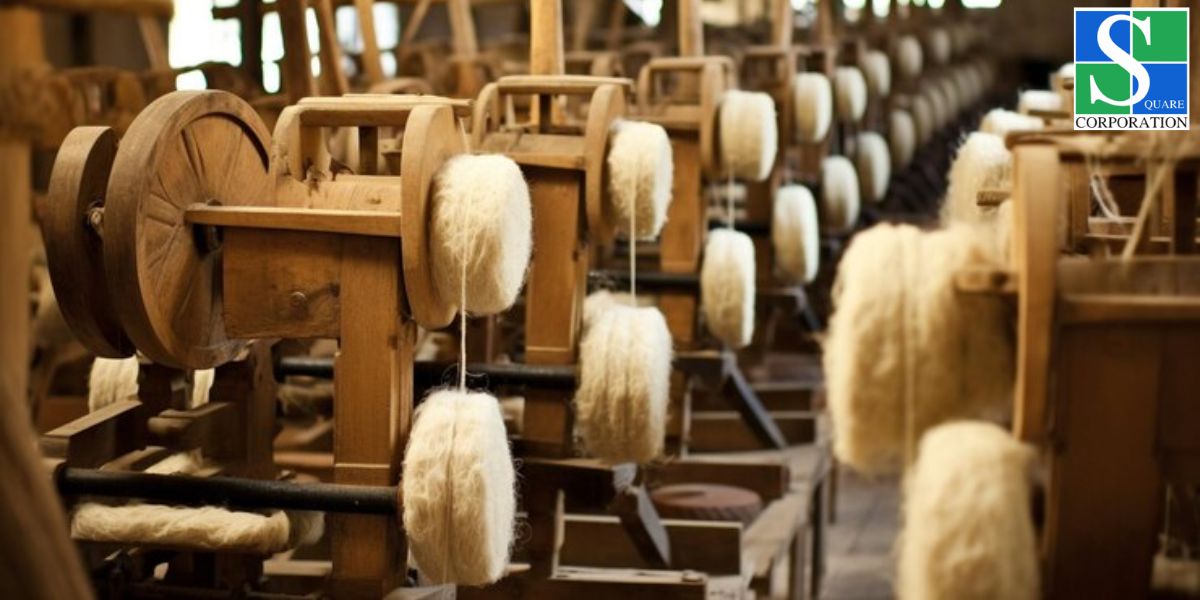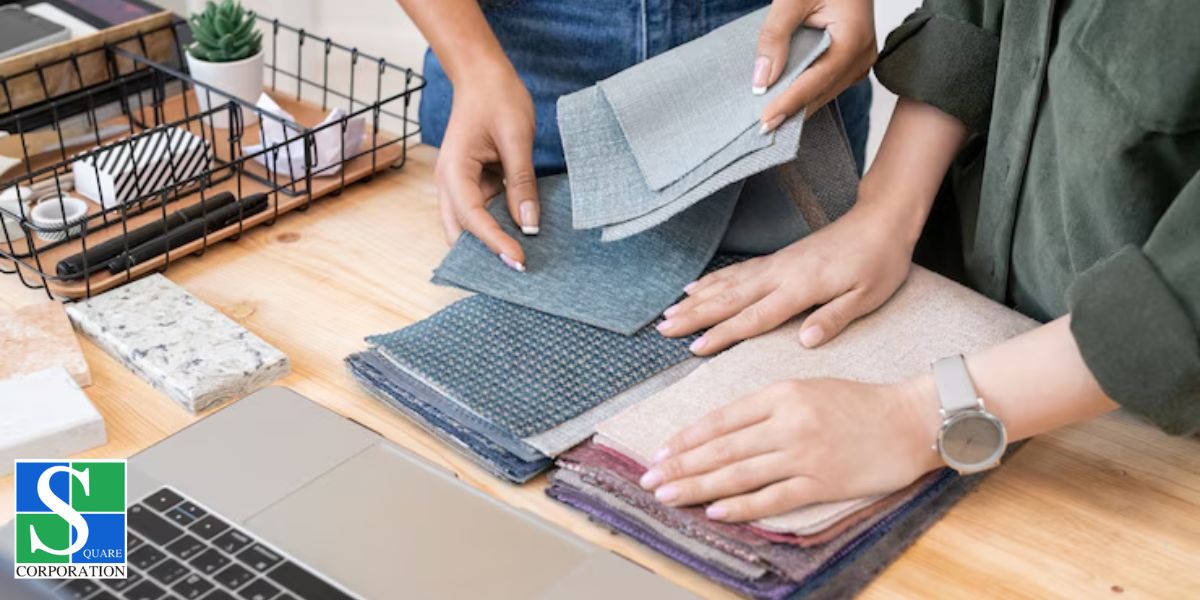
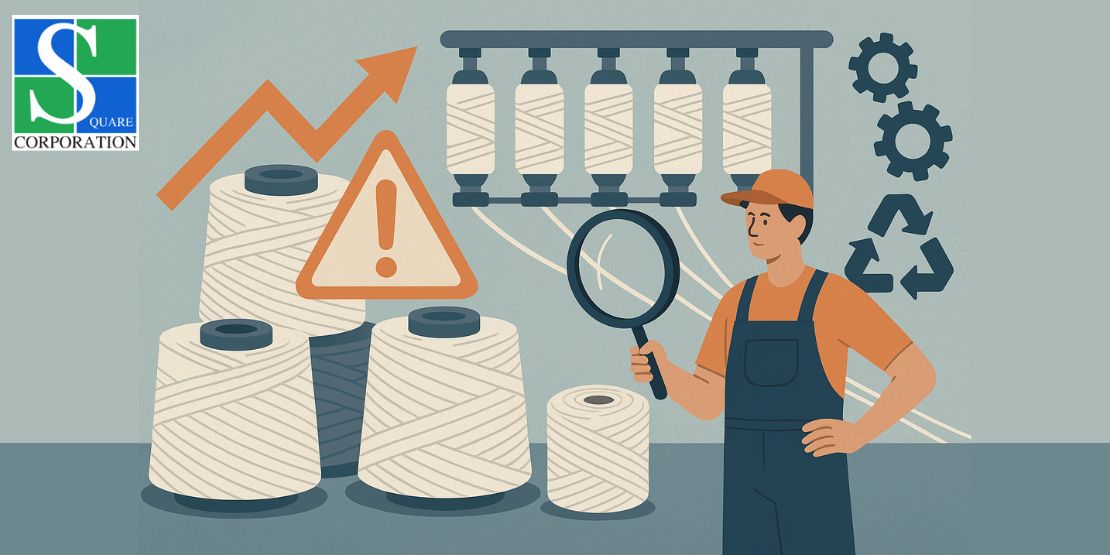
textile mills in punjab square textile company square manufacturing company textile manufacturer

Challenges in Yarn Manufacturing: How the Industry Combats It

The yarn manufacturing industry is the base of the global textile industry, and it needs continuous development to combat some major challenges. The complex surroundings for yarn production are the main challenge for cotton yarn traders. The volatile nature of raw material supply and sustainability pressures affect the yarn manufacturing process significantly.

As consumer demand is continuously evolving and lots of new rules and regulations are introduced in the market, yarn manufacturers are trying to adopt innovative product strategies to overcome these challenges. Through this comprehensive study, we will discuss the key challenges in yarn manufacturing and how the industry combats these challenges.

Challenges in Higher Raw Material Costs and Problems in the Supply Chain

In this segment, we will discuss the significant challenges of higher raw materials costs and disturbance in supply chain management.

Volatility in cotton and wool price

The sudden rise of the cotton fabric is one of the major challenge of the yarn manufacturing. Due to higher demand and limited supply the price of the cotton fabric has increased significantly.

Disturbance in supply chain management

Due to labor shortages and shipping delay, the supply chain management is affected and led to higher manufacturing costs.

Process of combating this challenge

  1. An alternative source of fibers– Due to the higher price of organic fiber, yarn manufacturers are trying to focus on the usage of synthetic fibers or recycled fibers.
  2. Sourcing from diversified option– Yarn manufacturing companies are trying to expand supply chains for sourcing raw materials throughout the world to reduce the dependency on single sources.

Key Challenge for Yarn Sustainability and Higher Economic Demand

Due to the recent changes in the global scenario, yarn manufacturing units are facing massive changes regarding yarn sustainability and higher economic demand.

Pressure in the global regularity framework

As the global textile industry focus on the use of recycled fibers and push the manufacturers to use eco friendly components, it must be a great challenge for yarn manufacturer.

Quality matter for recycled yarn

Mixing of recycled fibers with raw fibers can damage the yarn strength and product reliability. It creates a huge negative impact on yarn manufacturing.

The solution to combat yarn sustainability

  1. Using recycling technology– Innovation like the fiber regeneration model can indicate a zero waste model.
  2. Using quality control tools– Yarn manufacturers mainly use AI-driven tools to detect the problem in yarn blends to protect against its negative impact on fabric quality.

How Technological and Operational Hurdles Create Negativity on Yarn Manufacturing

Technological and operational hurdles can have a huge negative impact on the yarn manufacturing process.

Higher investment costs

With the latest technological development and merging with the new technology indicates the higher investment. It must be a huge problem for small manufacturers.

Wrong production of yarn

Mechanical stress during yarn manufacturing may lead to poor yarn quality and enhance waste production.

Technological solution

  1. India textile manufacturing industry is trying to adopt the latest technological development to prevent fibre damage and enhance production efficiency.
  2. Yarn manufacturing units are trying to adopt protective fiber coating that can reduce friction during yarn manufacturing.

Challenges for Market Competition and Consumer Demand

In this segment, we will discuss how market competition and changes in consumer demand affect yarn manufacturing.

The volatile nature of the fashion industry

It is hard for yarn manufacturers to predict future trends and estimate market demand based on fashion needs.

Price sensitivity

Maximum fashion-conscious consumers prefer to use sustainable products, which encourages yarn manufacturers to use expensive raw fabrics. This indicates the higher cost of sustainable yarn.

How to solve this issue

  1. Digital knitting helps the yarn manufacturers to produce customized yarns within a small batch and reduce the risk of overproduction.
  2. Introducing smart and innovative technology to predict future fashion trends can help the yarn manufacturer significantly.

Conclusion

However, yarn manufacturing industry is facing a huge number of challenges that damage its production process. But with the introduction of innovative technological development and sustainable practise yarn manufacturer can combat the major production challenges. Square Corporation is a renowned manufacturer and exporter of cotton yarn who tries to resolve all production challenges for a smooth manufacturing process.

A Guide to the India’s Fabric Market

India’s textile Industry is famous for its rich heritage. It holds an unique place in the Indian economy because of its strong historical roots, exports and industrial output. They make a wide variety of fabrics that are used across India and also sent to other countries. Textile mills in Gujarat use both traditional and modern methods. They create cotton, polyester, silk, and blended fabrics. Let’s discuss about the scenario of the wholesale fabric market in India.

The Backbone of The Fabric Market

While the mills make fabric, wholesale fabric suppliers in India play another big role. These suppliers buy large quantities of fabric from mills and sell them to garment makers, designers shops and exporters.

Let’s look at how wholesale suppliers help the textile industries

Wide Range of Fabrics

Wholesale fabric suppliers in India offer many types of fabrics. These include cotton, polyester, rayon, and many more. They also provide printed fabrics, dyed fabrics, and fancy materials which is used in fashion. This wide variety help buyers to fond everything in one roof.

Connect Manufactures to Buyers

Suppliers act like a bridge between mills and small buyers. A small shop owner or a tailor might not be able to buy directly from a mill. But wholesale suppliers help them to get these fabrics in smaller amounts.

Better and Bulk Deals

The wholesale suppliers get better prices from the mills because they buy in larger quantities. They can offer discounts to their customers. This helps small businesses to save money.

Transportation System

The logistics and transportation system in Gujarat is also strong. It allows timely delivery of goods across India and to international destinations. The state’s well-connected ports, roadways, and railway stations support easy movement of raw materials and finished goods.

Customer Service

In addition to quality fabrics, the wholesale suppliers also provides excellent customer service. Their team assists clients at every stage. It helps the clients from fabric selection to the dispatch of the orders. It ensures a smooth hassle-free experience. This approach helps them to build long term relationships with clients across different industries.

Textile Industry In Gujarat

Gujarat is one of the leading states in textile production in India. The textile mills in India are known for their high quality fabric manufacturing and advanced machinery. The textile mills in Gujarat play a key role in supplying fabrics to both domestic and international markets with a strong supply chain. It has wide access to huge raw materials. The state also supports thousands of small business and contributes significantly to Indian economy.

If you are looking for reliable wholesale fabric suppliers in India, you can explore the options available in India. This can be a smart move. The combination of advanced textile mills, skilled labors, affordable price, and consistent product makes India a worth textile destination.

The Conclusion

In conclusion, this is the whole process of the fabric market and the wholesale suppliers in India. It underscores the rich heritage of the fabrics and the affordable prices of the wholesale market. Appreciate the beauty of natural fabrics and supports the wholesale fabric suppliers.

Growing Green Threads: A Path to Greener Manufacturing

India is famous for its textile production. A significant aspect of India Textile manufacturing is the production of organic fabrics in India. They are creating a better future for how clothes and other fabrics are made. Natural fibers play an essential role in the textile industry. Would you like to learn more about the properties of natural fibers? Then you are in the right place to gain valuable insights.

Threads of Change, Woven by Nature

With growing awareness production methods are shifting towards harmony with both people and the planet. The use of natural fibers helping India to move from mass production to mindful manufacturing . Let’s start without wasting time.

Cultivation of Natural Fibers

The journey of natural fibers like cotton, silk, jute begins with cultivating them in fields.. Organic cotton is grown without synthetic pesticides. It promotes healthy soil and ecosystems. The farmers use traditional methods. It ensures the preservation of domestic practices.

Processing from Raw Fiber to Yarn

Once harvested, the natural fibers undergo several processes to transform into yarn. This includes cleaning, spinning, and dyeing. Organic manufacturing in India prioritizes eco-friendly practices. For example, the Kotpal handloom fabrics from Orissa uses natural dyes from the Aul tree. Organic fabric makers try to use natural dyes that don’t create pollution.

Rise of natural Fabrics

The rise of organic fabric manufactures in India is good for the Indian textile manufacturing industry. It encourages the people to come up with new cleaner way of making textiles. Organic fabrics often have a higher value which can help the Indian economy.

Support System Of Farming

The organic manufactures of India helps for the people who live in the farming area. People making organic fabrics can be a good way to earn their living. When you buy organic fabrics you are supporting these communities. It helps them to grow in a good way.

Facing the challenges

There are some challenges for organic fabric manufactures in India. It can be sometimes cost more to grow and process organic materials. It is important to make sure that the fabrics that are called “organic” are really organic through proper checks and certifications.

Sustainable products for Global Market

These processes result in high quality and sustainable fabrics. It becomes ready for various applications such as apparel, home textiles and other clothing materials. Square Corporation is the leading export import organic manufacturer of India. It serves both domestic and international markets meeting the eco friendly market products.

The Conclusion

The future looks bright for organic fabric manufactures in India. More and more people want to buy that are healthy for the planet. This mean there will be bigger demand for organic fabrics in India. These manufactures are not weaving cloth, but a greener future for the textile industry. You can contact Square Corporation for best quality organic fabrics manufacturer in India.

From Spinning to Stitching: Exploring the Textile Lifecycle

Do you ever wonder how a simple thread converts into the fabric that defines our style and decorates our homes? Reliable wholesale fabric suppliers in India continuously try to provide the best quality fabric to enhance the effectiveness of the textile manufacturing process. The textile production process passes through an eye-catching journey that involves raw material plucking to innovative fabrication with cutting-edge technology.

Through this blog, we will explore the unique craftsmanship, design artistry, cutting-edge technology, and product sustainability of the textile industry. Let’s discuss the step-by-step process of the textile industry, from spinning to stitching, for fashion enthusiasts and regular readers.

A Suitable Way of the Textile Lifecycle from Spinning to Stitching

In this segment, we will discuss the artistic lifecycle of the textile industry, from Spinning to Stitching in a compact form.

Fiber harvesting for raw material

Fiber is the raw material for textile industry. Raw materials can be natural or synthetic fiber. When the textile industry uses natural fibers for yarn manufacturing, they focus on the use of cotton, wool, silk, and flax. On the other hand, they can choose polyester, acrylic, and nylon fiber for synthetic yarn manufacturing. The source and the quality of the fiber have a significant influence on the garments’ strength, texture, and sustainability.

Convert the raw fibers into yarn

When garment manufacturers combine raw fibers into yarn, this step is similar to spinning. It is the heart of garment manufacturing. Yarn manufacturers use various methods to convert raw fibers into thread or yarn.

Spinning can be machine-based or traditional form. It depends on the textile production process. The thickness, yarn composition, and tightness are vital to creating top-quality fabric for garment manufacturing. From lightweight silk material to high-quality jeans, yarn is the primary factor of garment manufacturing.

Creation of fabric through knitting

When the manufacturer converts the yarn into fabric, this step is known as knitting. Reliable garment manufacturers use the latest-formed spinning mill in Gujarat for spinning and knitting purposes. It is vital for making sustainable fabric for the garment manufacturing process. Knitting has many unique steps that manufacturers use for fabric production purposes.

Print the yarn- Dyeing

After fabric creation, it is time to give color to the fabric. Printing or dyeing includes several steps to make the fabric colorful. Dyeing involves converting fabrics in dye baths to get uniform hues, while printing gives particular color and design patterns to the fabric.

In this process, some manufacturers use digital printing techniques to meet market demand. If the fabric manufacturers prefer to follow environmentally friendly printing methods, they go for waterless dying and natural dyeing processes.

Development of fabric quality

When the fabric is ready for garment manufacturing, manufacturers use sustainable finishing processes to enhance the fabric quality.

  • Waterproofing or flame resistance techniques add unique functionality and durability to the fabric.
  • The softening process enhances the fabric texture
  • The stretching process is essential to give the final shape to the fabric.

Stitching is vital for final garment manufacturing

It is the final step of the textile lifecycle, where the garment manufacturing industry cuts the fabric into different design patterns and sticks them to form clothing or garment accessories. In this step, garment manufacturers use skilled technicians and cutting-edge technology and follow the quality to make sustainable garments. Garment manufacturers can use automated cutting machines or robotic sewing machines to enhance the production process.

Conclusion

As we focus on the production lifecycle of the textile industry, it has become clear that manufacturers always focus on a sustainable production process that must be less harmful to the environment. With the use of the latest technology, the textile industry can easily reduce the environmental impact and support eco-friendly practices. You can contact Square Corporation to get the best quality yarn, which is vital to maintaining a sustainable production process for the textile industry.

The Journey of Natural Fibers: From Fields to Fabric

The fashion industry is growing at a rapid pace, and with it comes a thrilling burst of diversity. In India, consciousness regarding sustainability has resulted in a sudden change in the focus of the industry from synthetic to natural fibers. Natural fibers are also a good solution, providing sustainable options that are not only environmentally friendly but also incredibly comfortable to wear. It is due to this reason that textile mills in Gujarat are now more interested in natural fibers than synthetic ones, modifying their modus operandi based on the requirements of a more ethical and responsible fashion world.

Natural fibers have the most significant role in the textile industry. Do you have any idea how their journey starts? Do you wish to know the details? Then you are at the right place, where you can learn the details. Here, we will take you through the entire process of natural fibers. Let’s start the topic without wasting time.

Total Journey of The Natural Fibers People Should Know

Natural fibers have been the cornerstone of human fashion for centuries — they are renewable, breathable, and ingrained in the Earth. Join me while we follow their intriguing journey from fields to the garment that fills your closet.

Sowing the seeds

Cotton’s history starts in fields where seeds grow well in soil. Since the dawn of time till now, farming cotton has been well-rooted. Various plants of cotton are available all across the globe with various traits. Sowing and reaping take effort, which indicates a profound relationship between human beings and nature.

Harvesting

Farmers harvest and process the fibers after they prepare the crops. For instance, workers pick cotton and then process it at a gin to remove the fiber from the seeds. They pull flax and immerse it to extract fiber, which they spin into linen. This method is eco-friendly since it needs significantly less water and energy than producing synthetic fibers like polyester. If you are exporting to wholesale fabric suppliers in India, you will have to do this step carefully.

Extraction and retting

After they are cut, the fibers are cleaned and processed for application in textile production. Plant fibers like cotton and flax require separation from vegetable material, while animal fibers like wool and silk undergo shearing, washing, and other treatments. Examine the equipment and processes used.

Cleaning and carding

Ginning is an essential process in which cotton fibers are gently separated from seeds and other impurities. A cautious step at this stage guarantees the purity of the cotton fibers. With strict quality control measures, we guarantee the integrity of the fabric is not lost right from the start.

Spinning into the yarn

Spinning machines twist cotton fibers into endless yarns. Then, workers weave or knit the yarns into cloth. Weaving interlocks yarns in a crisscross pattern for stability, whereas knitting uses loops for flexibility. Finally, the cloth is subjected to finishing processes like washing, bleaching, dyeing, and printing to enhance its appearance and feel. These are the most critical steps that the best textile mills in Gujarat should adopt.

Weaving and knitting

The yarns that have been spun are knitted or woven together to make fabric. Learn to weave, which constructs a firm fabric structure by interweaving threads. Learn various types of looms and weaving patterns, like modern mechanized looms and the ancient handlooms. The technique of knitting, in which threads are looped upon each other to create fabric.

Dyeing and finishing

Colors and motifs give life to cotton fabrics. Natural dyes and green printing techniques create vivid color and intricate patterns. At the heart is sustainability, which ensures that every fabric has a tale of artistry and green awareness.

Design

The substance sits patiently awaiting its transformation into stunning attire, elegant household furniture, or trendy accessories. Gifted designers, skilled tailors, and dedicated artisans bring it to life, lovingly threading their art into every seam, turning plain cloth into pieces of beauty with a story to share.

This is the whole natural fiber process from the farm to the fabric. It underscores the rich heritage of the textiles that we wear every day, emphasizing the respect we must give all those who have been part of the process. Appreciate the beauty and sustainability of natural fibers, and take pride in being part of this significant movement.

How to Choose the Right Yarn for Your Textile Needs

Have you ever thought why certain textile items are so soft and luxurious in appearance and feel? Well, all this is due to the yarn. But why is it that the most critical element of the textile industry? The primary reason is that it is the main foundation for fabric production. That is why getting the correct yarn for the best Indian textile manufacturing industry is important.

The right thread ensures durability, functionality, and aesthetic appeal, whether you’re doing fine embroidery or heavy-duty work such as fishing nets or safety harnesses. Finding the right yarn for your fabric is difficult but not impossible. If you don’t know how to do it, you will learn more about it in detail at the end of this article. Let’s begin the topic without delay.

Tips For Choosing The Ideal Yarn For Your Fabric

Choosing the ideal yarn for your fabric is vital, as already noted, but how do you do it? Then, check that in detail.

Evenness or yarn count

The number of yarn per unit length is referred to as the yarn count, and it specifies the thickness of the yarn. The term “yarn variation” is used to indicate the way the yarn quantity changes along their course. Evenness is among the major defects with staple-spun yarn. Linear density constant occurs with continuous filament yarn.

There will be thin and thick spots along the length of a poor yarn with evenness, and there is a high possibility that thin spots will twist. This results in variation in thickness, strength, or diameter in a yarn which ultimately affects the appearance of the finished product. For top organic fabric manufacturers in India, you need to seek out the best yarn available.

Quality of the yarn

In the course of our investigation, prioritizing quality stands out as a crucial step in choosing the perfect yarn. The foundation of any successful textile project is quality, and the yarn you choose is the first step in that process. The quality of the yarn determines the appearance, longevity, and overall functionality of the finished cloth. High-quality yarn is a fundamental element that influences every aspect of your project. Investing in the best quality yarn is critical to having a polished and long-lasting end result.

Yarn color

Originality and what you can create by yourself are integral parts of art. It shows your creativity and uniqueness. Generally, any arbitrary color that may suit the pattern may be used. There are sometimes elusive colors that are critical to making a project great from good after you acquire your groove.

Never forget to “look” before you touch. The best yarn comes in your favorite color. As the best yarn material is required for the Indian textile manufacturing business, you will have to pick accordingly.

Breaking strength

The tensile properties of yarns in textiles are important in evaluating their application suitability. Proper evaluation of the breaking strength characteristics is vital, as it not only determines the performance and durability of the fabric but also ensures compliance with the requirements of its use. Knowledge of these properties enables making informed material choices, thereby optimizing the quality and functionality of the end product.

Selecting proper yarn starts with an absolute idea of how the project will be used. This defining aspect should be a determining factor in your decisions between cotton yarn prices, quality, and other factors. Keeping the final use in mind throughout the entire yarn selection process will enable you to make sound decisions on material makeup, spinning parameters, and affordability. Knowing the purpose and intended consumer of the final product will enable you to make decisions best serving your project aims.