textile mills in punjab square textile company square manufacturing company textile manufacturer

A Guide to Yarn Counts and What They Mean for Fabric Quality

In the knitting industry, every aspect counts for exceptional end products. However, many people do not pay attention to such vital details as yarn count. While many garment makers are keen on defining fabric grams per square meter (GSM), they do not consider the impact of yarn count. This imposes a critical need for cotton yarn traders to be well versed with this detail and accord it the importance it deserves. To succeed in the business, one needs to master yarn count.

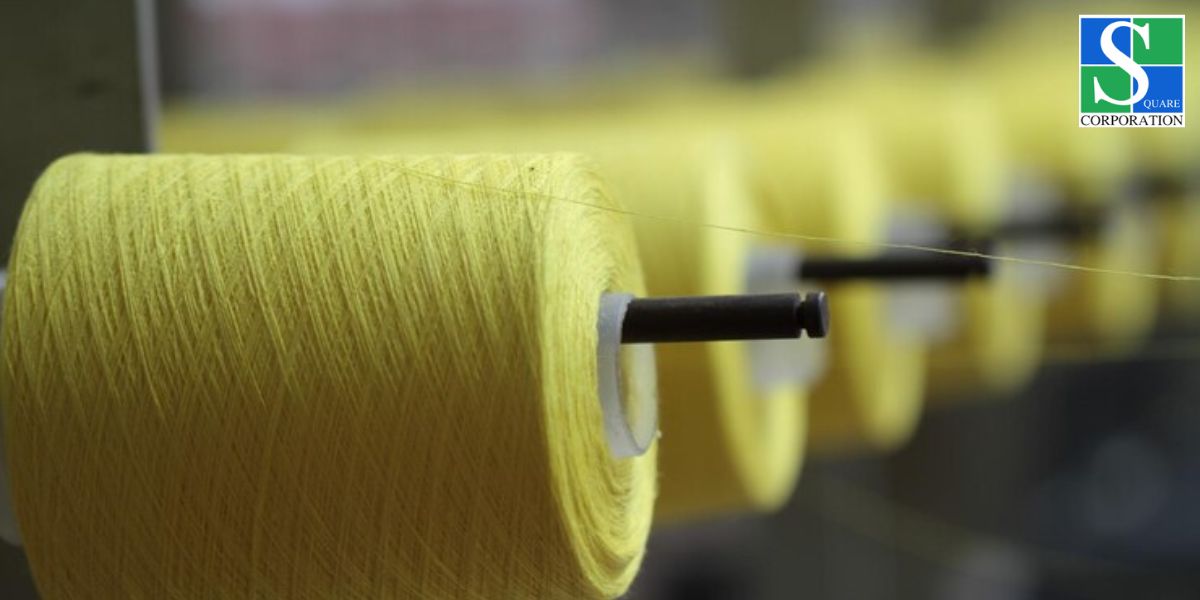
But what is this yarn count? Yarn is produced by twisting strands of fibers together in spinning, yielding continuous lengths of interlocked fibers. These yarns are used to knit into fabrics. Yarn count represents the fineness or coarseness of the material, a measure of thickness. It describes the relationship between the length and weight of the yarn, being mass per unit length or length per unit mass.

If you wonder why they are so critical for fabric quality, then touching our article will let you understand that in depth. We will help you grasp what yarn count exactly means in the context of fabric quality. Let’s therefore begin the topic.

Role of Yarn Counts for Fabric Quality

Knowledge of yarn count is important to those in garment manufacturing, fashion design, or who are concerned with fabric quality. Yarn count directly affects the feel, drape, strength, and appearance of a fabric. Knowledge of textile numbering systems is important to textile work even though it may seem complicated at first.

Softness and fitness

Increased yarn numbers, such as Ne 40 and Nm 60, typically signify the manufacture of finer and softer fabrics. Designers and manufacturers frequently use these gorgeous fabrics in quality dress shirts, high-end bedding, and dainty, light textiles to add a touch of luxury and elegance to any fashion or home ensemble. The elevated yarn count not only contributes to the overall sense of touch but also contributes to a refined appearance, making these fabrics highly sought after in the fashion and interior design markets. The fabric manufacturers in India must be fully cognizant of the role that yarn counts play in determining fabric quality in order to produce the finest-finished products.

The tread density

More thread counts are possible with finer yarns, and this results in a fabric that is smooth to the touch and sumptuous. Skilled weavers achieve the luxurious smoothness by intricately weaving fine yarns together tightly, creating a rich tapestry that feels exceptionally soft to the touch.

Strength and toughness

Lower thread counts, from Ne 10 to 20, yield fabrics that are not only heavier but also much stronger. The dense textures of such high-count threads are apt for heavy-duty use, and are the best choice for denim, work wear, canvas, and upholstery, where strength and resistance are the most important factors. Cotton yarn traders must know the yarn count and obtain the best product for their trade.

Comfort and breathability

Tighter fibers enable the creation of more tightly knitted fabrics that offer much better airflow, resulting in lightweight and breathable textiles. This is a key property for summer clothing, sleepwear, and high-performance sports apparel, ensuring they also provide freedom of movement as well as excellent moisture management in warm and humid conditions.

Yarn count is not just a number; it is a crucial variable in dictating the appearance, texture, and performance of a fabric. With the proper yarn count choice for its specific application, textile manufacturers and designers are able to produce fabrics that excel both functionally and aesthetically.
From Raw Fiber to Finished Thread: Understanding the Yarn-Making Process

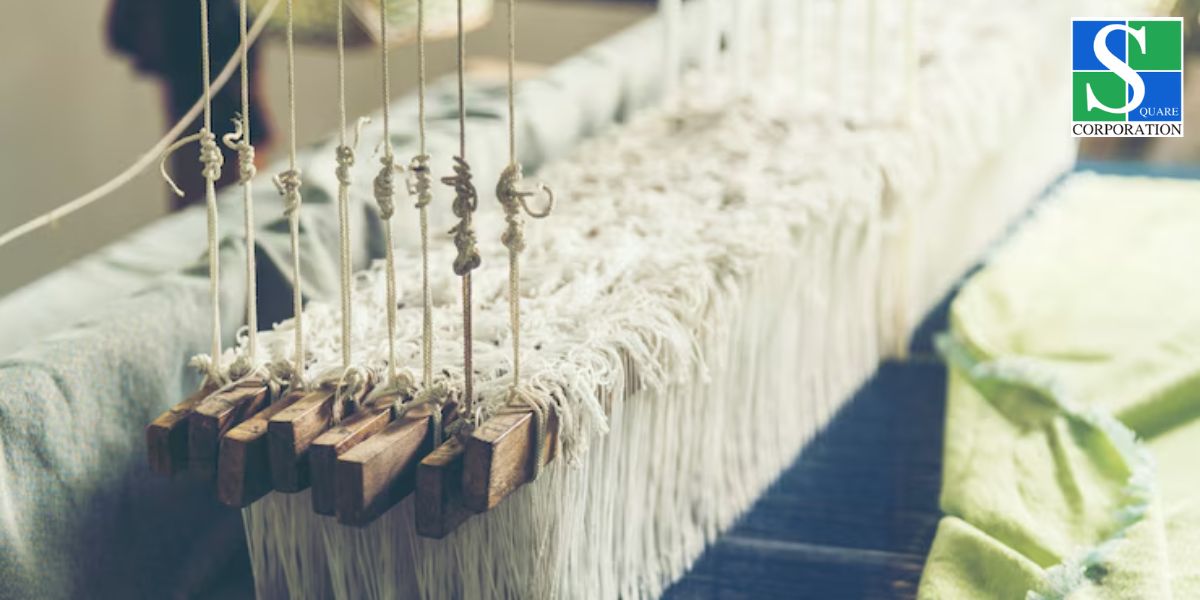
Do you know that India is the second largest yarn spinning center? Yearly, India manufactures more than 4700 million kilograms of spun yarn, which fulfills the basic requirement of the global textile industry. But do you have the eagerness to know how raw fibers convert into strong and smooth threads through knitting, sewing, and weaving? The yarn-making process consists of several stages, and each stage ensures unique consistency and quality.

If you choose reliable recycled cotton yarn manufacturers, you can get the best quality yarn that is vital for the textile industry. Through this comprehensive, we will discuss the step-by-step process of converting raw fiber into finished thread for yarn manufacturing purposes.

Types of Raw Fibers for Yarn Manufacturing Process

The yarn manufacturing process depends on the use of different kinds of fibers; let’s discuss them in detail-

Plants and animal fibers

Reliable yarn manufacturers use fibers from plant leaves or plant stems to produce cotton yarn, while linen comes from flax or vegetable fibers. Authentic linen manufacturers in India use the best quality flax seed fiber to deliver premium quality linen yarn.

Animal fibers

Animal fibers consist of wool from sheep and goats. On the other hand, silk fibers come from silkworms.

Synthetic fibers

Synthetic yarn manufacturers use synthetic fibers that come through spinning filament formation with chemical solutions forced through spinneret nozzles. Nylon, rayon, polyester, polyolefin, acrylic, and spandex are common types of synthetic fibers.

Step-by-Step Yarn Manufacturing Process

In this segment, we will discuss the step-by-step yarn manufacturing process, which is vital for a reliable yarn manufacturer to produce the best quality yarn.

Selection of fiber for yarn manufacturing

The yarn manufacturers select the fibers as per their yarn manufacturing requirements. It can be synthetic fiber, cotton fiber, or linen fiber. The choice of fiber depends on the yarn’s strength and texture.

The washing process of the yarn fiber

Before transferring the fiber into a spinning machine, the manufacturer washes the raw fibers through various methods.

  • Scouring is the process of washing wool fiber to eliminate dirt and grease
  • Ginning is the method of detaching cotton fiber from the cotton seed
  • Extruding is the method of washing synthetic fiber
  • Degumming is the cleaning method of silk fiber

Convert fiber into yarn through the spinning method

Spinning is the fundamental process of yarn production. In this process, yarn manufacturers merge the fibers together to create a continuous thread. This stage is vital to give the yarn strength and effective texture. Spinning methods involve several steps-

  • Ring spinning
  • Open-end spinning
  • Air jet spinning

Add texture and strength to the yarn through the plying method

This stage is vital to add significant strength and texture to the yarn. The plying method enhances the durability of the yarn. This stage involves several steps-

  • 2 ply yarn is vital to enhance the yarn balance and make it strong
  • 3ply yarn is vital to make the yarn smooth and polished
  • Multi-ply yarn is an essential step in making heavy-duty yarn

Betterment of yarn quality through the finishing stage

After the plying process, yarn passes through finishing methods that involve various steps-

  • Steaming is a vital step to stabilize the yarn twist
  • The dyeing step is essential to add color to the yarn
  • Sizing smoothness of the yarn for weaving purposes.

Packaging of yarn

In the last stage, the manufacturers convert the yarn into balls or cones for distribution or shipping purposes. Proper packing is vital to ensure tangle-free handling for weavers and manufacturers. Electric scanners can ascertain and remove all spinning faults before final dispatching.

Conclusion

Although spinning is the most vital step for the textile industry as it involves twisted fiber strands together to produce durable yarn, all other steps are equally necessary for making premium quality yarn. Contact, Square Corporation for the best quality yarn for the textile industry. We follow the most unique methods for yarn manufacturing, which is vital to producing top-quality yarn.

The Importance of Yarn Quality in Garment Durability

When it comes to clothing, garment durability is the key factor that influences the buying decision. Fabric weave, stitching perfection, and garment design play a crucial role, but the durability of garments depends on the yarn quality. Whether it is the daily usage garments, comfortable sweaters, or fashionable dresses, reliable cotton yarn traders must ensure premium quality cotton yarn for dress manufacturing. A high-grade yarn can withstand any wear and tear and reflects the yarn’s excellence. Through this blog, we will discuss the enormous importance of yarn quality for enhancing garment durability.

How to Determine Yarn Quality for Garment Manufacturing?

When garment manufacturers choose the best quality yarn for production purposes, they always consider a few factors, such as follows-

Source of fiber

It can be cotton, silk, synthetic blend, or wool, and it is vital to consider the fabric’s softness and elasticity.

Thread count

A thread can be single-ply or multiply; you can choose the thread count as per your garment manufacturing process. It is vital to ensure the clothes’ density.

pinning process

Ring spun, open end, and compact spun are types of spinning process that are vital to ensure yarn firmness.

Uniformity & strength

This indicates the thickness and resistance capacity of the yarn, which is vital for garments that are used daily.

Importance of Yarn Quality for Garment Durability

In this segment, we will discuss the importance of yarn quality for garment durability. Let’s discuss this in detail-

Durability

High-quality yarns ensure that garments are long-lasting even after several washings. It is the vital aspect that every consumer wants.

Comfortability

When a reliable India textile manufacturing company uses premium quality yarn in garment manufacturing, it gives a comfortable feeling when coming into contact with the skin. A soft and well-spun yarn is a vital aspect of a durable and comfortable garment.

Wear and tear resistance

A tightly spun and high thread count yarn must ensure the fabric quality. For example, a well-produced pair of jeans uses durable and strong yarn to prevent material breakage while stressing.

Visibility

Yarn quality can affect the fabric texture and color consistency of garments. Poor-quality fabric may give uneven textures, while high-quality yarn gives a vibrant look. It is vital for the product’s visual appeal.

Functionality

It indicates some special functions of high-quality yarns, such as moisture resistance and flame resistance. High-quality yarn always provides higher performance than poor-quality yarn. Yarn that is flexible, strong, and resistant to all environmental factors must be applicable for manufacturing durable quality garments.

Process of Finding High-Quality Fabric in Garments

When consumers plan to buy the best quality garment, they must consider the fabric quality. In this segment, we will discuss the process of finding high-quality fabric for garments.

Check the garment’s label

Try to look for natural long-staple fibers in the garment labeling, such as Supima cotton, cashmere, and extra fine merino wool. It indicates a premium quality garment.

Smooth fabric quality

High-quality fabric always ensures a soft and dense finish. Uneven finishing always indicates poor-quality fabric.

Stitching quality

If a manufacturer uses high-quality fabric, but due to poor stitching quality, the garment cannot get the highest durability.

Brand research

When buyers choose any reputed brand, it always ensures the usage of premium quality fabric.

Conclusion

In the textile industry, yarn quality is the foundation that provides a great product. From garment durability to visibility, premium quality fabric is always essential. The textile industry may focus on budget-friendly production but not compromise yarn quality. It is vital for brand reputation. Contact, Square Corporation for premium quality yarn, which is vital to producing durable garments at an affordable price.

Inventions in Yarn Production: The Latest Trends in 2025

For centuries, the Indian yarn manufacturing industry aided the core operations of textiles. Contemporary evolution is swiftly driving this assistance in the year 2025 as well. The recycled cotton yarn manufacturers are now altering through technical advancements, keeping sustainability measures in notable focus.

Due to the inventions in yarn manufacturing, the entire landscape of this sector is confronting ground-breaking alterations. It’s the ever-increasing demand for high-quality, unique textiles that facilitates extraordinary sustainability initiatives. So, in the upcoming segment of this blog, we will focus on the key inventions that will transform industry operations in 2025.

The Major Inventions in Yarn Manufacturing

The latest innovations in the yarn manufacturing involves the following.

Eco-Friendly & Sustainable Yarns

Do you know the most prominent invention in the yarn manufacturing sector? It is nothing but sustainable, eco-friendly yarn. Nowadays, consumers and industries are prioritising sustainability initiatives. For this reason, sustainability remains the focus of yarn manufacturing.

Some notable inventions in this sector involve recycled coloured yarns, PET bottles, and textile waste. Another significant yarn type is biodegradable yarn production. It is a nature-friendly option that lessens the carbon footprint.

Functional Fibres & Smart Yarns

We can not deny the fact that 2025 is the era of smart textiles. Recycled cotton yarn manufacturers also play a crucial role in this revolution. The smart yarn consolidates conductive components like copper or silver threads. This allows their use in smart textiles and wearable technology. The application of smart yarns ranges from medical monitoring devices to fitness trackers.

Automation and AI in Yarn Production

One of the promising inventions in yarn manufacturing is artificial intelligence and automation. Nowadays, businesses are introducing AI-driven systems in their manufacturing procedures to monitor machinery and ensure consistency in quality.

Many of us don’t know that automated systems equipped with AI can recognize the defects in yarns with unmatched accuracy, ensuring premium-quality products. Some yarn manufacturers leverage AI to assess data on client preferences. This allows them to develop yarn production tailored to market demands.

Hybrid & Blended Yarns

Blended and

hybrid yarns have gained popularity as they bring the best of all yarn types into the end product. One such excellent option is a carbon fiber blend that is ideal for making high-performance textiles. Carbon fibre blend material is perfect for the automotive and aerospace industries.

Circular Economy in Yarn Manufacturing

Now, what is a circular economy? The idea of a circular economy is transforming yarn manufacturing by concentrating on waste reduction and resource efficiency. Inventions in this domain involve fibre regeneration. In this process, the fabric manufacturers in India use the latest advanced technologies to break down old textiles and develop new yarns that aid the zero-waste model.

Another crucial innovation is circularity or a take-back program where other industries take the waste of the textile industry to turn it into a high-quality yarn.

The Bottom Lines

So, in 2025, Indian yarn manufacturing is at the forefront of sustainable technological inventions. From smart fibers and AI-driven productions to eco-friendly practices, the industry is now responding to global demands for greener, better, and more versatile textiles.

Hence, fabric manufacturers in India who embrace these inventions will not only stay competitive but are vital in driving the textile industry toward a more technologically advanced and sustainable era. Are you searching for reputable yarn manufacturers to get premium-quality products? Reach out to Square Corporation today.

The Pros of Using Reprocessed Polyester: A Detailed Guide

Do you know the fact that each year we generate 121 million tonnes of PET bottle waste to our environment? The most shocking truth is that 75% of it remains non-recycled and is thrown away. This plastic pollution poses a notable threat to our plants, wildlife, and marine life. This pollution also disrupts the natural balance of our environment.

Thankfully, with the immense growth of technology, transforming plastic bottles into recycled polyester yarn is possible. The owners of organic cotton farms are continually functioning towards forming 100% recycled polyester yarn from PET bottles to contribute towards natural conservation.

They use a mechanical recycling technique to reshape the PET bottles into polyester yarn. Many of us don’t know that recycled polyester yarn offers multiple advantages besides sustainability. So refer to this comprehensive guide to learn the benefits of using recycled polyester.

The Benefits of Using Recycled Polyester

The demand for recycled polyester yarn is achieving momentum nowadays. This is due to its multidimensional advantages, which include the following:

Lower Carbon Footprint

The most significant advantage of using recycled polyester is its low carbon footprint. The recycling of PET bottles to make polyester yarn results in fewer greenhouse gas emissions. This aids in combatting climatic shifts and lessens the environmental footprints related to polyester manufacturing.

High Tensile Strength

The next notable benefit of recycled polyester yarn is high tensile strength. Recycled polyester yarns retain good tensile properties and strength, which are crucial for durability. These yarns involve adequate strength to withstand stress and tension without breaking.

Colour Fastness

Do you know that recycled polyester yarn possesses strong resistance against bleeding, fading, or transferring colors to other components? Despite prolonged exposure to harsh environmental conditions, polyester yarns retain their aesthetic appearance and original colors. For this reason, these yarns hold significant positions in Indian textile manufacturing.

Versatility

The prime reason behind the ever-increasing demand for recycled polyester yarn is its versatility. Many of us don’t know that polyester yarn is suitable for a myriad of applications. Textile manufacturing, floor coverings, and industrial yarns are some notable examples.

Compatibility with Manufacturing Procedures

Do you know that polyester yarns are compatible with different textile manufacturing procedures? Polyester yarns are compatible with procedures like weaving, spinning, dyeing, knitting, etc. The manufacturers can process these yarns using traditional machinery and techniques without needing notable adjustments or modifications.

Resistance to Chemicals & Mechanical Abrasions

The last and final benefit of recycled polyester yarns is strong resistance to Chemicals and mechanical abrasions. This feature is essential to prevent damage and increase the longevity of the yarns.

The Closing Thoughts

These are some common advantages of recycled polyester yarns. One of India’s leading organic cotton farm owners, Square Corporation, offers a broad spectrum of conventional yarns like linen, BCI yarns, and recycled and organic cotton yarns. Get in touch with us to learn more about the products we offer.