
textile mills in punjab square textile company square manufacturing company textile manufacturer

Which Fabric is Highly Sustainable and Future of Fashion?

At the time of choosing the right type of dress to wear, the first thing that comes into consideration is fabric. Do you have any organic fabric in your wardrobe? If yes, then you are not only doing a favour to the planet, but also going with dresses that look amazing.

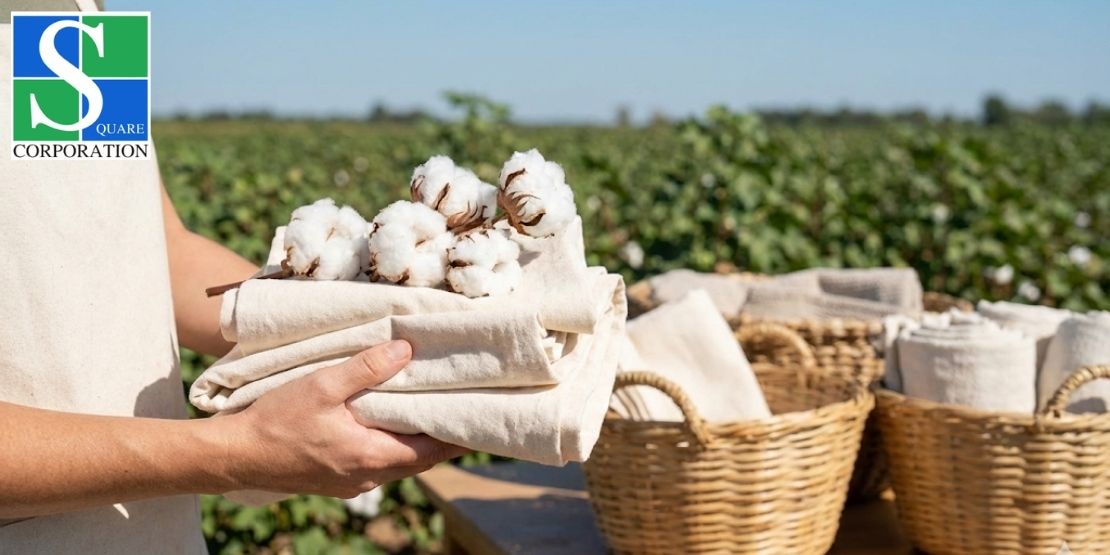
The way clothes are manufactured has a massive impact on the environment. With eco-friendly fabrics, it is possible to put a full stop to further damage to the earth. Highly reputed organic cotton farms utilize natural sources to manufacture dresses.

As there is hardly any use of harsh dyes or chemicals, the fabrics produced are overall biodegradable. They can be reused in the natural world. Are you aware that the fabric you are putting on your body has an impact on your health?

How does Fabric Impact the Overall Health?

Along with comfort and great look, health is a vital factor when selecting the fabric that you are about to put on. Highly reputed organic fabric manufacturers in India generally avoid the use of harsh herbicides and chemicals.

Unlike conventional cotton, such fabrics will hardly cause any type of skin irritation or allergy. As organic cotton fabric is breathable, it is perfect for people who suffer from allergies and asthma.

With high durability features, organic cotton is a highly sustainable choice in terms of clothing. Also, you can continue wearing such fabrics for a long time, provided proper care is taken.

Are Organic Fabrics Softer and Luxurious?

Did you ever come across fabrics that feel soft? They are none other than organic cottons that are manufactured using natural materials. As they are handled gently, they suffer less breakage.

Such a great feature gives them a beautiful, lustrous look, finally making it softer to touch. Also, less water and energy are required in the production, which makes organic fabrics an environmentally friendly choice.

What Makes Organic Fabric the Future Choice in the Fashion Industry?

As a fashion geek, you must be looking for those fabrics that will not lose its importance too quickly. Aren’t you? Regarding economy and aesthetic look, for the long term, organic fabric will be the right option.

It will hardly produce any harmful toxins, thus preventing further damage to the environment. Top organic cotton farms can ensure that the clothes produced will be overall nature-friendly.

Do Organic Fabrics Support Ethical Practices?

This is another exclusive benefit associated with organic fabrics. Going with such choices implies support for fair labor practices. Most of the fabric producers adhere to highly ethical guidelines, thus ensuring fair wages and safe working conditions for workers.

By investing in organic clothes, customers will be contributing to a highly equitable fashion industry.

As a Final Word!

From above, it is clear that organic cotton fabrics can benefit both mankind and the environment. Have you been searching for a reliable and trustworthy spinning mill in Gujarat that produces sustainable dress materials?

If so, then joining hands with Square Corp may be a great decision. Among a wide range of options, making the right choice will be no more difficult.
How to Spot a Truly Sustainable Clothes in Market

People are being more conscious about the clothes they buy as sustainability starts to be a priority amongst consumers. It’s hard to pick out the genuinely sustainable options from the greenwashing when every brand is shouting, “eco-friendly” this and “ethical” that. There are serious environmental issues at stake, from water pollution to textile waste, in the fashion world. By making wise choices, we are making responsible decisions toward a better future. If you want to create sustainable clothing, contact the best wholesale fabric suppliers in India for your sustainable materials.

With the right materials, certifications, and brand values, a consumer will know just where to go. True sustainability covers transparency, ethics in labor, and quality of craftsmanship. Understanding each of these elements provides the opportunity to choose clothes for one’s benefit and the planets, while continuing to support brands that truly work toward change in fashion.

Various Ways of Identifying Sustainable Clothing in the Market

With so many fashion brands making claims today of being “green” or “eco-friendly,” it becomes rather hard to know the difference between a truly sustainable garment and simple greenwashing. Set a focus on materials, certifications, and transparency, and overall quality that allows you to make choices as to what kinds of clothing will genuinely benefit the planet and its makers.

Always verify the material

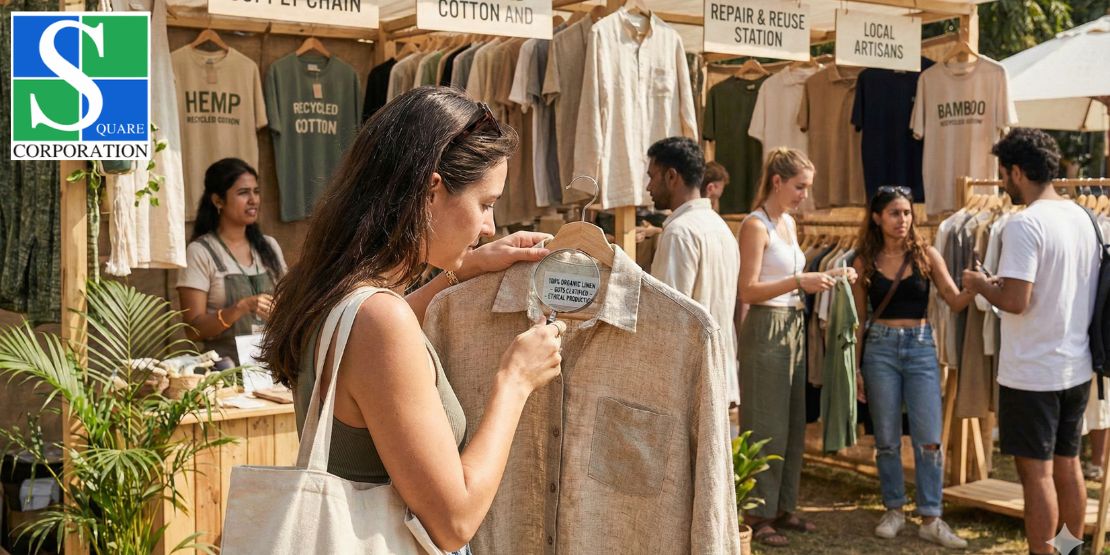
Fabric selection shall focus on natural, renewable, or recycled fibers including organic cotton from BIC yarn, hemp, bamboo, Tencel, or recycled polyester. All of these materials greatly reduce the environmental impact compared to traditional cotton or synthetic fabrics made from fossil fuels.

Access the transparency of the brand

Sustainable brands usually offer complete transparency into their supply chain and depict exactly where their garments came from and how they were produced. Many of these will include, in their reports, critical indicators such as energy and water usage and labor conditions that provide a full understanding of the environmental and ethical performance. If a brand is not transparent in these respects, this too may be a major warning sign for its commitment to sustainability.

Check their commitment to the environment

Look beyond the actual product: see if the brand is working towards eco-friendly practices such as water conservation, renewable energy, minimal packaging waste, and circular initiatives in fashion. These features reflect environmentally conscious behavior that can make all the difference in the world.

Consider the production and transport impact

Locally made garments or apparel manufactured in nearby areas greatly reduce carbon footprint related to long-distance transportation. Such small-batch or made-to-order production methods are also more sustainable ways of thinking about fashion, besides efficiently reducing overproduction and waste and making the industry more responsible and ecological. A brand, not to have any complications, may source its fabric requirements from the best linen fabric manufacturers in India for the production of sustainable clothing meant for its customers.

Go for classic looks instead of chasing every trend

Durability means quality and style within sustainable fashion. By basing the designs on classic, versatile pieces, this approach drastically reduces the likelihood of garments being discarded in favor of passing fashion trends. Every piece is designed to stand the test of time, offering enduring appeal and practicality that foster mindful consumption with minimal environmental footprint.

Check the durability and quality of the material

Sustainable fashion actually sticks around. It’s built to last, so you don’t end up tossing out piles of clothes that just wind up in a landfill. That cuts down on waste in a big way. Notice the stitching, the weight of the fabric, and the general quality of the construction. A garment constructed with attention to detail will obviously have a longer life compared to the wear-and-tear effect of constant use, unlike the flimsy shirts or T-shirts that are part of the fast-fashion trends. Investing in high-quality attire encourages durability while contributing towards a more sustainable future.

Conclusion

It will be much easier to discover truly sustainable apparel when you know what to look for-quality materials, trusted certifications, transparent brands, and ethical production practices. By being in the know about greenwashing and opting for more timeless, well-made pieces, you also help reduce your environmental footprint while contributing to the brands that work toward real change in fashion. Every thoughtful purchase as a conscious consumer builds a more sustainable and responsible future for fashion.