
textile mills in punjab square textile company square manufacturing company textile manufacturer

Myth & Facts: The Truth You Should Know About rPET Fabric

We all know that sustainability now takes the centre stage in the textile and fashion industries. As an obvious outcome, rPET or recycled polyester has appeared as a famous alternative to virgin polyester. However, countless myths have come into focus with its rise in popularity. So let’s separate the true facts from the fiction and unveil the reality about recycled polyester. Contact a renowned recycled polyester fabric manufacturer if you are looking forward to buying precision-engineered rPET fabric.

5 Most Common Myths Associated with Recycled Polyester

Recycled polyester is an eco-friendly and innovative solution to decreasing plastic waste while retaining high-quality fabric performance. So let’s have a closer look at the most common yet significant myths associated with rPET or recycled polyester.

Myth 1: Recycled Polyester is Less Durable than Virgin Polyester

Fact: Most individuals believe that the quality of recycled polyester is not as good as that of virgin polyester. However, this is far from reality. Top-quality PET goes through the latest processing techniques. This ensures the recycled polyester material retains its flexibility, strength, and performance similar to virgin polyester. Many famous brands use rPET in performance wear, representing its reliability and durability.

Myth 2: Recycling Polyester is Harmful like Producing Virgin Polyester

Fact: Many of us are unaware that the production of virgin polyester needs massive amounts of energy, petroleum, and water. For this reason, the production of virgin polyester contributes to greenhouse gas emissions. On the other hand, recycled polyester notably decreases environmental impacts. How?

The procedure of converting plastic waste, such as PET bottles, into rPET requires up to 59% less energy. This process decreases CO2 emissions by approximately 32% compared to the production of virgin polyester. Though no manufacturing procedure is entirely free of environmental impacts, rPET is a far more sustainable option in the procedure. So contact a leading wholesale fabric supplier in India to buy superior-quality recycled polyester fabric at a reasonable rate.

Myth 3: You Can’t Process Recycled PET Again

Fact: Recyclable polyester can be processed several times without losing its integrity. We all know that the infrastructure of textile recycling is still developing. However, the latest advancements in chemical recycling make it possible to break down polyester into its basic elements and generate new fibres. As circular economy initiatives develop, more solutions are coming forth to make polyester recycling an endless loop.

Myth 4: Recycled Polyester isn’t Versatile & Comfortable

Fact: Nowadays, recycled polyester fabrics are just as breathable, soft, and adaptable as their virgin counterparts. Whether in outerwear, activewear, or day-to-day clothing, recycled polyester offers the same level of performance and comfort. Countless inventions in fabric technology ensure the successful blending of recycled polyester and natural fabrics such as wool or cotton to develop diverse textile options.

Myth 5: Recycled Polyester Doesn’t Make a True Difference in Plastic Waste

Each year, countless plastic bottles end up in landfills and the ocean. By altering these bottles into textiles, rPET helps divert plastic waste from our environment. How? For instance, a single t-shirt can save about 5-10 plastic bottles from creating pollution. Though recycling alone can’t solve the plastic crisis, it plays an essential role in sustainability efforts and waste reduction.

The Closing Thoughts

With ever-evolving technology, recycled polyester will continue to play a vital role in the sustainable textile and fashion industries. Selecting recycled polyester is not just an environmental statement; instead, it’s a step towards a greener future. So why wait? Contact Square Corporation, one of India’s leading yarn manufacturers, to buy high-quality recycled polyester yarns. With years of experience in yarn sourcing in India and a sharp focus on sustainable practices, we ensure superior product quality and on-time delivery. Get in touch with us now for more information.
How Recycled Yarn is Gaining Popularity in Export Markets

In response to the global energy shortage and constant demand for eco-friendly energy sources, recycled yarn has gained popularity in the worldwide textile industry due to its notable durability, strength, and cost-effectiveness. Recycled yarn is emerging as a niche product and is poised to become a key player in the global textile market. Renowned brands and manufacturers worldwide are actively sourcing recycled yarn for a sustainable fashion statement.

Even a popular cotton yarn manufacturer in India is trying to shift its focus to recycled yarn to enhance its business in the export market. But do you want to know the reason why recycled yarn is gaining such popularity in the export market? Let’s explore the facts behind this global trend.

What Do You Mean by Recycled Yarn?

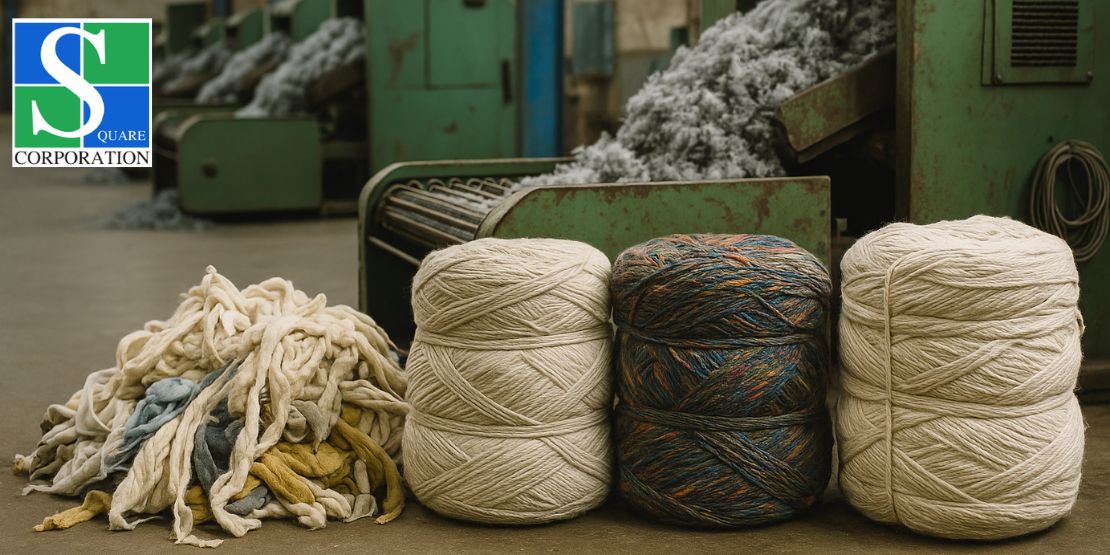
Recycled yarn is created by reusing textile waste materials. This textile waste can be post-consumer waste, which is old clothes, or post-industrial waste, which is factory-driven scraps. The collected fibers are segregated, cleaned, and then processed into new yarn without the use of virgin raw materials. This method is not only helpful in reducing textile waste but also essential for cutting down water usage, energy consumption, and carbon emissions in the yarn production process.

Why Do Export Markets Prefer to Trade Recycled Yarn

If you are familiar with the global textile market and aware of its growing trends, you must understand the factors driving the increasing demand for recycled yarn in the export market.

1. Increasing demand for sustainable product usage

In the 21st century, global consumers, particularly in North America and Europe, are increasingly conscious of using sustainable products. International garment brands and the fashion industry are under immense pressure to meet the demand for sustainable products and reduce their carbon footprint. This global demand is the main factor behind the massive production of eco-friendly and recycled yarns.

2. Maintaining international regulations and standards

Many countries have already imposed strict rules and regulations regarding the use of eco-friendly and sustainable textile production. The EU and the USA are already trying to encourage their textile manufacturer to focus on eco-friendly garments. They even import sustainable and eco-friendly products from other countries. As India is a leading exporter of recycled yarn, most textile mills in Gujarat are focusing on producing recycled yarn. Apart from exporting high-quality recycled yarn, these yarn manufacturers also maintain global certifications, such as GOTS or GRS, to secure a better position in the worldwide textile market.

3. Better cost benefits without compromising the quality

Due to technological advancements, recycled yarn can match the same quality as virgin yarn in every application. As the price of raw materials is increasing rapidly, the demand for recycled yarn is also rising in the export market.

4. Maintain the production transparency

When a yarn manufacturer attempts to establish a presence in the global textile market, it must maintain transparency in its production processes. Recycled yarn manufacturers consistently provide transparency throughout their production process, from waste collection methods to final yarn preparation. It is vital to gain the trust of global buyers and make a reputation in the market.

Challenges to Make an Impact in the Global Textile Market

As India is the leading producer of yarn, most cotton yarn manufacturers in India strive to make their contribution to the worldwide textile market. However, there are some drawbacks associated with the production and export of recycled yarn.

1. Quality control

Maintaining the same standard quality of recycled yarn production is a vital challenge for manufacturers.

2. Limited awareness

Some buyers are still unaware of the enormous benefits of using recycled yarn for garment manufacturing.

3. Poor quality infrastructure

The production of recycled yarn requires durable infrastructure, technical expertise, and skilled labor to meet global standards.

Conclusion

The increasing demand for recycled yarn in the export market is not only a trend but also a global responsibility towards a more eco-friendly production. As international brands are already aware of the importance of sustainable fabric sourcing, the demand for recycled yarn is increasing rapidly. Square Corporation is a leading yarn manufacturer and supplier that can help you obtain premium-quality recycled yarn for your garment manufacturing.