textile mills in punjab square textile company square manufacturing company textile manufacturer

Understanding Slub Fabric: Everything You Ought to Know

Are you familiar with slub fabric and its extensive advantages? This fabric has a special texture formulated with uneven yarns. These differences make this fabric look natural and unique. Since slub fabric feels airy and light, it is ideal to use during hot weather. Many individuals prefer slub fabric as it’s suitable for our atmosphere, too.

This fabric can also make our home items and clothes look interesting. In this article, we will jot down some key aspects associated with slub fabric. Are you looking forward to exploring a vast array of high-quality fabrics? Look no further and contact Square Corporation, one of the leading linen yarn manufacturers.

The Definition of Slub Fabric

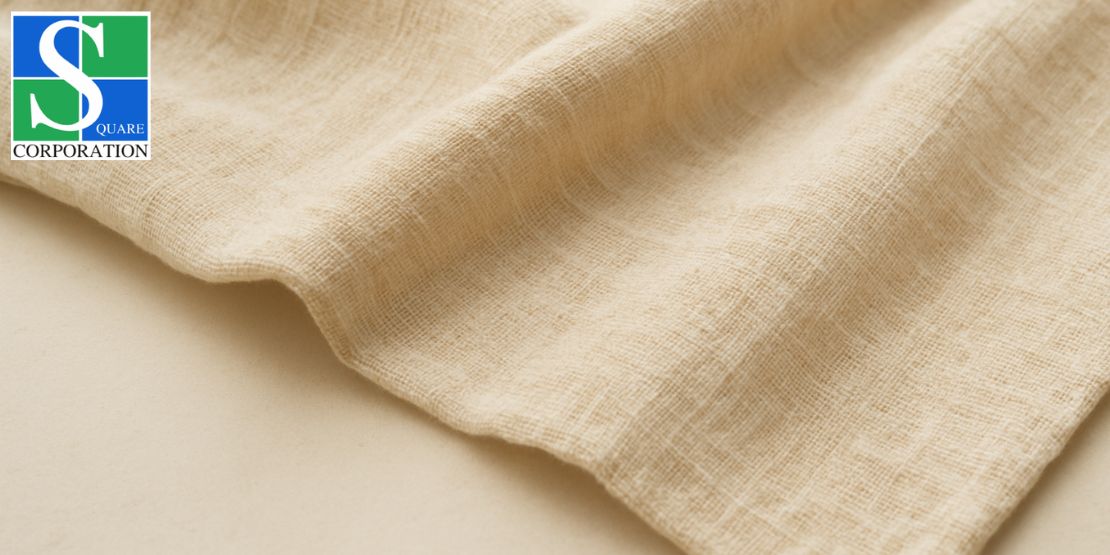
Slub Fabric is a special category of fabric made up of uneven yarns. These uneven yarns offer the fabric a unique look and bumpy feel. For this reason, air can easily pass through the bumps, making it an ideal choice for warm weather. In previous times, the majority of individuals misunderstood slub yarns as mistakes. However, in recent times, most of us love the imperfect and natural beauty of this fabric.

Slub fabric is ideal for use in clothing and home items due to its natural charm. The uneven surfaces of slub fabric not only increase its style but also help the fabric remain comfy and cool. This combination of comfort and good looks makes slub fabric famous among both buyers and designers.

The Components Used in Slub Fabric

Many of us are not aware that slub fabrics feature both synthetic and natural fibres. Everyday clothes feature a variety of materials, including silk, linen, wool, rayon, and cotton. Among these components, linen and cotton are known for their breathability and softness, making them popular choices for clothing and home items. Synthetic fibres, such as polyester, resist wrinkles and add strength.

Now you may ask what makes slub fabric so special? It’s the uneven yarns used in this fabric that give it a unique texture. Contact Square Corporation, one of the most reputable organic cotton fabric manufacturers in India, to purchase your preferred fabric at a competitive price.

The Manufacturing Process of Slub Fabric

Do you have any idea about the manufacturing process of slub fabric? Top manufacturers produce slub fabric by spinning yarns with uneven thickness and bumps. The bumps are the reason that slub fabric offers a special feel. The latest advanced devices, such as compact spinners, produce smooth and strong yarns. Different researches show that compact spinning decreases unevenness and fuzziness. This results in top-quality and durable slub fabrics. Traveler weight and spindle speed can also impact the strength and texture of the slub yarn.

Top 3 Features of Slub Fabric

So, as of now, you may realise what slub fabrics are? Now it’s time to discuss the top features of slub fabric, which are the following.

Texture & Apperance

The first and foremost characteristic of slub fabric is nothing but its unmatched texture and appearance. The texture of the slub fabric is what makes it stand out from the rest. Unlike smooth fabrics, slub fabric includes a natural and rough look. The uneven yarns create ridges and bumps in this fabric, which you can see and feel.

These bumps and ridges lend this fabric a special charm and a rustic look. Hence, this fabric is appropriate for both home items and clothes. Contact Square Corporation and buy top-grade slub fabric at a reasonable rate. Being a top organic cotton fabric manufacturer in India, we offer premium-quality conventional yarns and fabrics with exclusive discounts.

Comfort & Breathability

If you want to stay cool for a long time, then slub fabric can be a great choice. The uneven surface of slub fabric helps air flow easily, making it ideal for sticky and hot weather. Wearing slub clothes can make you feel soft and light. For this reason, slub fabric is an excellent choice for casual wear, bedding, and summer outfits.

Eco-friendliness & Durability

Another very significant characteristic of slub fabric is its eco-friendliness and durability. Slub fabric is strong and thus can last for a long time. It features natural fibres like linen, cotton, or wool. These materials are tough and thus can last longer. Slub fabric is also beneficial for the planet, as it combines biodegradable fibers with eco-friendly manufacturing methods. Hence, choosing slub fabric means you are helping the environment while receiving quality products.

Conclusion

So these are some important aspects associated with slub yarn and fabric. If you also want to buy precision-engineered slub fabric, feel free to reach out to Square Corporation, one of the best linen yarn manufacturers in India. Having been producing and supplying a broad spectrum of top-grade yarn, we can meet any of your requirements. Please don’t delay and get in touch with us now.
Common Mistakes to Avoid When Choosing the Best Fabric

Selecting the appropriate fabric is important to every sewing, fashion, or interior design project. The fabric employed will determine the final appearance, feel, and usability. With so many out there—cotton and silk to polyester and blends—it is easy to be overwhelmed. Too often, individuals select fabrics based on how they look without regard for other important considerations like weight, stretch, durability, and maintenance. If you are about to purchase wholesale fabric soon from the top wholesale fabric suppliers in India, you must conduct extensive research on this.

These little errors can cause monumental disappointments, like ill-fitting clothes or rapidly deteriorated furniture. Having knowledge of common fabric choice errors will keep you from expensive blunders and achieve the desired project result. Knowing fabric makeup and shrinkage is important to both aesthetic beauty and longevity.

Common Mistakes People Often Make While Buying the Best Fabric

Choosing the correct material is important in any project, be it designing clothes, furniture, or home accessories. Most individuals will make simple mistakes that eventually cause uneasiness or loss of money. The following are essential mistakes to avoid, assisting you in making good fabric selections.

Ignoring the use of the fabric

Not all fabrics are created equal. Lightweight chiffon excels in creating flowing dresses, but it falls short for upholstery or structured garments. It’s essential to match the fabric’s properties with your project’s requirements—prioritize durability for upholstery and breathability for clothing. Choose wisely to achieve the best results.

Not considering fabric weight

The heaviness of a fabric can has a profound effect on its drape, shape, and overall performance. For example, adding a heavy denim to the make of a summer top might suggest uncomfortably and heat-stroke, while adding a light, airy voile as drapes might leave them lacking in the support and opacity they require.

To ensure the fabric is appropriate for your application, it’s important to review its GSM (grams per square meter) or test your senses by feeling the fabric, so you can have a better estimate of its weight and feel before making the purchase. In the event you are placing your order from the top viscose yarn manufacturer, do remember that.

Neglecting care instructions

Some fabrics require a little extra special handling and care—like dry cleaning or gentle hand washing. Failing to meet these requirements can have dire consequences in the form of shrinkage, discoloration, or damage beyond repair. It is advisable to take note of the care label instructions and whether they match your way of life and routines completely before making a purchase.

Not testing for colorfastness

Colored and bright materials tend to bleed color when they are washed. Prevent any potential color transfer disasters in your multi-colored piece or mixed wash by doing a quick test. Rub a small quantity of the material with a damp white cloth; this will indicate whether the material bleeds or not. This precaution will save you from potential disasters and keep your colors vibrant and vivid. From the finest linen fabric manufacturers in India, you should be receiving the best fabric for your project.

Conclusion

Fabric selection is simple, but not committing these mistakes may save you money, time, and frustration. Having knowledge about fabric properties and selecting them according to your project requirements ensures better results as well as a hassle-free crafting or sewing experience. Be patient, ask questions, and in case of doubt, test first before continuing.

How to Identify Quality Fabric by Touch and Sight

Choosing fine quality material is more than looks; it is about durability, comfort, and worth. In dress, furniture, or crafting, the look and feel of the material when you actually take a close look at it is often a better indicator of quality than label marks of fiber content or thread count. By availing the services of the finest Yarn Agency in India, you can buy quality material with no problem.

By practice in touch and sight, you can examine safely the significant qualities of texture, weight, weave, and finish. Good material is always even to the touch, heavy, and even in its smoothness, with no looseness or irregularities. To the eye, you will see well-woven or well-knitted material, deep color, and a minimum of transparency—unless intended to be different. By practice, it’s easy to pick out fine materials from poor ones by sight and touch.

Various Ways to Identify the Quality of the Fabric

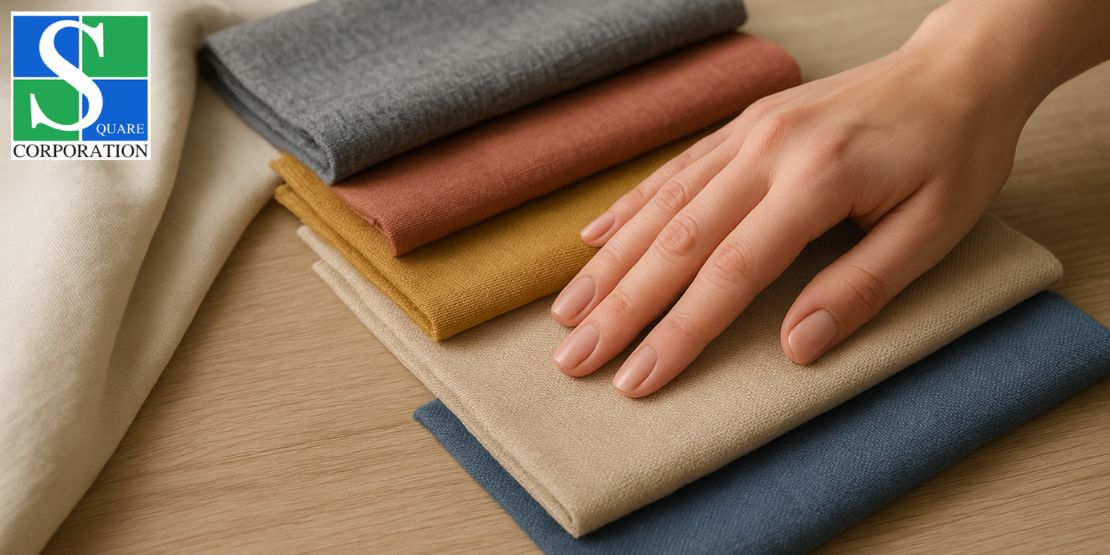
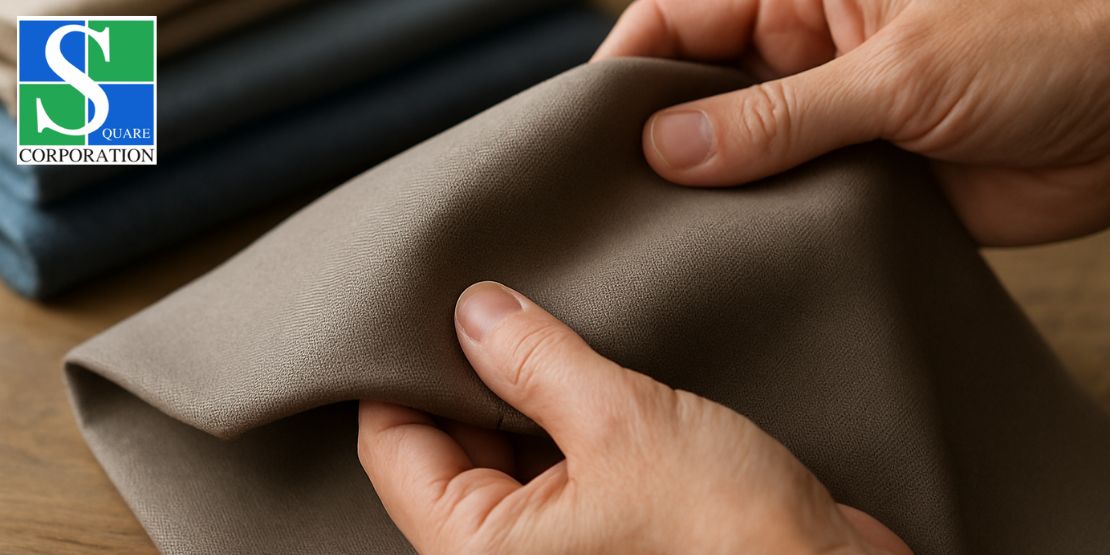
Identifying high-quality fabric is essential for fashion and interior design. Quality fabric looks better, lasts longer, feels more comfortable, and performs better. While labels offer some information, your senses can reveal more about true quality.

Feel the weight and density

High-quality fabrics frequently possess a denser and more substantial feel due to their intricate, tightly woven structures. This very specific build not only gives a feeling of luxury but also strengthens the material and makes it proof against the wastage brought about by wear and tear. A more compact weave normally yields a longer-lasting fabric, durable enough to resist the vagaries of usage and the ravages of time. When you buy cotton cloth from the finest organic cotton manufacturers in India, you also need to check its weight and thickness to confirm its authenticity.

Test the stretch and recovery

Work the material in smoothly, ensuring that it holds its original shape and inbuilt elasticity, without sag or distortion. Good fabric reacts to a smooth spring, holding its three-dimensional shape even when subjected to significant tension. Poor-quality materials droop and lose shape, showing a weakness and looking as though they are unstable, unraveled.

Check for opacity

Fold the material over a source of light and examine it up close for its characteristics. Fine fabrics have a sort of depth to them, letting only a pale passage of light through—unless they’re meant to be deliberately sheer, naturally. Conversely, very thin or transparent fabric can be a recipe for fast wear and tear, which undercuts its durability and general allure. When you are purchasing linen from reputed linen manufacturers in India, you have to test for the opacity so your investment pays off.

Test the print and color

Vibrant, even coloration with fine, crisp prints are hallmark traits of excellent dyeing and printing technology. Anything other than a lackluster, patchy, or mottled appearance of the colors, however, would signify bad colorfastness or bad finishing of the fabric. Such faults may detract from the beauty and wearability of the fabric, reducing its overall quality.

Conclusion

It will take a bit of practice to become accustomed to good fabric by eye and touch, but second nature in no time at all. While observing the texture of the fabric, how heavy it is, how it is kept together, and how balanced it seems, you will be able to make immediate decisions whether the material is durable or delicate. This touch approach not only helps you make better shopping, but also ensures that you eventually meet your comfort, long -term durability and fashion demands.

Ultimate Guide to Spot a Fabric Defect Before You Purchase

Purchasing fabric for clothing, home furnishings, or craft use involves more than color, texture, or print. The majority of consumers ignore important information that can affect how soft the fabric will be, how long it will last, and how it will appear. Surface imperfections like weave defects and dye irregularities result in wasted materials, poor quality projects, and worn-out garments too quickly. Being cautious about these minor issues will lead you to the right thing and get the best return. So, with assistance from wholesale fabric suppliers in India, you will be able to solve the issue and make better-quality clothing of your own preference.

Finding defects in fabric prior to buying is a trick that spares your time and frustration. By the use of some smart knowledge and a sharp eye, you can identify normal defects such as runs, misprints, and wrong dyeing. We guide you here with the key signs to check for while buying fabric yardage or assessing the quality of a finished garment. You will shop for your materials with ease and confidence!

Various Methods of Determining a Defective Fabric

Inspection for faults like snags or weakness points that may affect quality prior to buying fabric. Inspecting first will save you time and effort and get you the best material for your work.

Inspection in the best light.

When assessing fabric, you should inspect it in daylight or under white, even light. A low-quality light source will conceal minor imperfections such as colour variation or set stains, and it is hard to make an assessment of the material’s true quality. It will take you some time to see material well under a proper light source and will reveal things you would not have otherwise seen, and you will exercise your best judgment. Because you are soon going to purchase the finest linen from the leading linen fabric manufacturers in India, remember this.

Take a close look at the surface

Run your hand lightly across the face of the fabric, holding it up to examine it for hidden defects. Look for runs that catch on your fingers, pilling that creates unattractive little balls, or slobs where the yarn is bloated out or shows uneven patches. Look for holes in the weave. Check the texture; look for any rough patches or unevenness that shouldn’t be there, giving a smooth, flawless feel.

Stretch and recovery test

Grip the material carefully and slowly pull on it, letting it stretch. Release and observe the amazing resilience of a quality material as it easily snaps back to its original shape. It holds shape so well, taking care of itself against sagging or warping, and showing its integrity with every return to its original shape.

Test for any available stain marks

Carefully examine the fabric on both sides. Check for any oil stains that could spoil its look, water stains that could reflect wetness, ink stains that could reflect careless handling, or mildew marks that could reflect wetness and carelessness. Carefully observing these will ensure the quality and lifespan of your fabric.

Conclusion

Spent a few minutes scanning closely-held material before you purchase it so that you can protect yourself against costly blunders and enable you to achieve the quality that you need. Through checking for normal faults such as color variation, surface flaws, and weak areas, you’ll be making well-educated, confident buys each time.

How Textile Brands Consider the Best Eco Fabric Manufacturer

Do you agree with us that sustainability is the most intricate part of the textile industry? Nowadays, most textile brands are focusing on sustainable production, driven by the reduction of carbon consumption and a positive impact on the environment. Textile brands are not only becoming aware of environmental factors, but rational buyers are also becoming sensitive and concerned about the use of eco-friendly garments.

In such situations, textile brands need to start working with the best organic fabric manufacturers in India to ensure a reliable supply of organic fabric. If you want to create a global brand value and enhance your market reputation, consider choosing the best eco-friendly fabric manufacturer. This blog will provide valuable insights into the key considerations for selecting the best eco-friendly fabric manufacturer.

Key Consideration for Choosing the Best Eco Fabric Manufacturer

When you decide to expand your textile brand globally, you must choose the best eco-friendly fabric manufacturer for the smooth supply of organic cotton. However, always consider a few factors when choosing the best eco-friendly fabric manufacturer.

1. Essential certification

Textile brands mainly prefer the fabric manufacturers who keep essential global certifications. These global certifications assure that the fabric manufacturers meet international safety standards for the production of organic fabrics.

2. Sourcing of sustainable raw materials

Textile brands prefer to choose the top organic cotton farms that source raw materials from reliable sources. Bamboo, hemp, recycled polyester, and organic cotton are among the preferred materials used by textile brands in their garment manufacturing. When organic cotton manufacturers maintain transparency in their raw materials sourcing, it adds to brand value.

3. Use of the latest technology

Efficient water usage, closed-loop production systems, and low-impact dyes are key indicators of a reliable, eco-friendly fabric manufacturer. When the eco-fabric manufacturer uses the latest technology in the fabric production process, it can minimize the environmental footprint without compromising the fabric quality.

4. Production consistency

The most reliable eco fabric manufacturer focuses on sustainable production, ensuring consistent quality through bulk production. A premium-quality eco-fabric manufacturer always strikes a balance between an eco-friendly production process and scalability for timely delivery.

5. Competitive cost structure

When textile brands choose the best eco fabric manufacturer, they focus on the cost structure, which is vital for a long-term business relationship. Authentic eco-fabric manufacturers perform their production in budget-friendly spinning mills in Gujarat, which ensures a minimum manufacturing cost structure for organic fabric production. Global textile brands prefer to choose a fabric manufacturer who prioritizes organic production processes, utilizing a lower cost structure.

Conclusion

Whether it is your textile brand’s reputation or you want to attract global customers, you have to start working with the best eco-friendly fabric manufacturer. Square Corporation is the leading manufacturer and supplier of organic fabrics, supporting textile brands in creating exclusive brand value globally.

How Can the Textile Business Reduce Costs with Recycled Fabric?

The textile industry is primarily involved in numerous business activities that involve a significant amount of costing. From making premium-quality garments to providing them at a reasonable price, this is a huge challenge for the textile industry. Due to numerous manufacturing factors, the textile industry faces significant market competition, which prompts businesses to reduce manufacturing costs for higher profit generation. In such a scenario, textile businesses rethink their fabric sourcing strategies, which indicates the raw material.

One effective solution is using recycled fabric for garment manufacturing. Authentic recycled cotton yarn manufacturers can support textile businesses in reducing their garment manufacturing costs by maintaining high-quality products. In this blog, we will explore how the textile industry can reduce costs by utilizing recycled fabric.

How the Textile Business Reduces Costs with Recycled Fabric

If you are involved in the textile business and are concerned about reducing your garment manufacturing costs, you should be aware of how recycled fabric can help lower production expenses.

1. Reduce the dependency on virgin raw materials

The supply of virgin fibers, such as nylon, polyester, and cotton, fluctuates according to the global market, which hampers the fabric production process. By introducing recycled fabrics derived from industrial waste, the textile industry can reduce its dependency on expensive virgin sources. It can significantly reduce the cost of raw materials.

2. Reducing the cost of waste management

Traditional textile production generates a substantial amount of waste, resulting in higher costs. However, by incorporating recycled fabrics into the production process, the textile industry can immediately reduce production costs. In modern textile mills in Gujarat, you do not see any type of scrap or waste material; however, fabric manufacturers can turn this waste into value-added fabric.

3. Usage of less energy and water

The traditional garment manufacturing process involves a higher use of water and energy, whereas recycled fabric production requires less energy and water. It is crucial to minimize operational costs in the textile manufacturing process.

4. Get government incentives

Government and international bodies provide subsidies and tax benefits to textile businesses that follow sustainable manufacturing practices. By utilizing recycled fabrics, the textile industry can obtain global sustainability certification for quality assurance.

5. Higher revenue generation

When textile businesses provide a premium-quality garment at an affordable rate, they will achieve higher customer satisfaction. It increases the sales volume and generates higher profit. Reliable fabric suppliers in India can significantly support the textile industry in generating higher revenue and reducing manufacturing costs.

Conclusion

As the global textile market is shifting its focus towards a sustainable production process, it is high time for your textile business to adopt recycled fabrics. It not only offers a smart cost-saving strategy but is also vital for your brand value. Square Corporation is the top manufacturer and supplier of recycled fabric, which can significantly help you reduce operational costs.

How Luxury Fashion Brands are Embracing Recycled Fabrics

Luxury fashion brands are mainly associated with a premium range of fabrics, exclusive design, outstanding craftsmanship, and timeless elegance. These factors play a vital role in the exclusivity of luxury fashion brands. However, with the growing trend of consumer awareness and desire for sustainable garments, luxury fashion brands are changing their fabric usage policies and garment manufacturing processes.

Due to this unique concept, top-notch fabric suppliers in India are considering incorporating recycled fabrics into high-end fashion statements and sustainable production practices. To elevate your luxury fashion brand to the next level, focus on incorporating recycled fabrics. This blog will guide you properly on how luxury fashion brands are embracing recycled fabrics.

Usage of Recycled Fabrics by Luxury Fashion Brands

If you are unaware of the usage of recycled fabrics for high-end fashion statements, then you must read this segment to know how luxury fashion brands are using recycled fabrics.

1. Sustainability is the new luxury

The top-notch luxury fashion brands that follow this practice believe that sustainability is the new luxury. Consumers in the 21st century mainly value the ethics and aesthetic appeal of the fabric to experience the high-end finishing. Modern consumers prefer not to wear rare garments; instead, they value the ethical approach to the manufacturing process.

It is the sign of luxurious clothing. Recycled fabrics, such as regenerated polyester and upcycled cotton, are two essential raw materials that the most luxurious fashion brands strive to incorporate into their manufacturing processes.

2. From waste to top-notch fashion

Innovation is the primary motto of any luxury fashion brand. Top fashion brands mainly source recycled fabrics from discarded textiles, industrial waste, and ocean plastics.

With the help of top recycled cotton yarn manufacturers, it is possible to create a silky smooth garment from plastic bottles. Apart from that, recycled denim and cotton-blend garments are also giving rise to a new fashion trend in the textile industry. With the latest innovation in recycled fabrics, fashion brands can produce more valuable products and higher-quality items.

3. Iconic fashion brands that use recycled fabrics

Many luxury global fashion brands, such as Prada, Gucci, and Stella McCartney, have already introduced recycled fabrics into their production processes. It ensures a smooth path towards sustainable fashion statements and an integrated garment manufacturing process. A reliable recycled fabric manufacturer strives to produce premium-quality fabric in top textile mills in Gujarat in a sustainable manner.

4. Getting customer loyalty

By introducing recycled fabric into the garment manufacturing process, top luxury fashion brands are making a significant contribution to an eco-friendly environment. This practice is highly valued by consumers, and it can strengthen consumer loyalty. When luxury fashion brands take necessary steps to create an eco-friendly environment, it can add a new identity to their sustainable practices.

Conclusion

Luxury fashion brands continually strive to encourage people towards sustainability and provide them with the highest quality fabrics. If you work with a fashion brand and want to acquire more loyal customers, you should consider contacting Square Corporation. We are the leading supplier and manufacturer of premium-quality recycled fabrics.

What Type of Cotton Fabric is Comfortable on Skin?

It has always been believed that good-quality cotton clothes are preferred over other types of fabric. Whether you prefer purchasing a dress material or home accessories, there is no alternative to cotton fabric.

But today, almost everyone is considering remaining highly sustainable. Planet protection is the most important fact due to global warming. Just as organic food, organic cotton is also a highly remarkable sustainable way of production.

Fewer chemicals, fertilizers, pesticides and less water is being used for the production or organic cotton crops. If you have been searching for a highly comfortable cotton fabric for your skin, then better make your way to one of the reliable organic cotton farms.

Do You Have Sensitive Skin?

Usually, at the time of purchasing any fabric, cotton fabric is the most preferred. Are you allergic to and not satisfied with the same? Whether it is a fashionable cloth, bedding, or towel, it must not have met your desired level of comfort.

Did you ever try to make out the reason? It is the way of production that is used by farmers. In some cases, farmers have no other alternative but to expose the cotton to toxic chemicals, including harmful pesticides.

Even the dye applied for coloring the cotton material also comprises harsh chemicals. Fortunately, at the time of production of organic cotton, hardly any harmful chemical is used.

From sleepwear to leisure garments, there are lots of organic cotton products used that are both natural and hypoallergenic. If you are among those people that have highly sensitive skin, then using these cotton items will be the right choice.

Less water is utilized in the printing process on the organic cotton material. Making your way to one of the reliable organic fabric manufacturers may help in coming across the most suitable choice matching your skin needs.

Is Organic Cotton the Right Choice for Children?

Young children, including babies, need highly comfortable dresses. Otherwise, they may face difficulties in breathing. If you have been searching for the right cotton fabric for your tiny toddler, then opting for organic cotton will be the best option.

It is not only gentle on the skin, but also soft to touch. Whenever it comes to cost, you need not invest a hefty amount. In terms of utility, luxury, and durability, the best output may be expected.

Due to the presence of longer fibers, organic cotton fabric is softer than standard cotton. Being hand-picked, it does not break easily like conventional cotton fibers.

Is Drinking Water Used for Harvesting Organic Cotton?

Cotton plants require lots of water for growth. Instead of using drinking water, organic cotton farms use rainwater for harvesting. Afterwards, it is taken to a spinning mill in Gujarat for further processing.

This is the way organic cotton is manufactured, finally creating a highly sustainable ecosystem. To come across the latest collection of superb-quality cotton fabric, better join hands with one of the reliable and reputed organic fabric manufacturers in India, like Square Corporation.

How Top Brands Manage Fabric Quality Control Globally

Fabric quality is most important to the fashion and clothing industry to a company’s reputation and customer confidence. The industry leaders are aware that even with their creative designs, they lose money if the fabric is of bad quality, untidy, or short shelf life. As a result of their pursuit of unflinching perfection, they use strict quality controls that monitor all the production processes right from acquiring raw materials to the final quality check. Therefore, if you intend to make something cozy and durable, then buy cotton from the finest cotton yarn manufacturer. This will enable you to obtain the best quality raw material that you desire.

World fabric quality control must possess the appropriate combination of quality standards, current technology, and quality supplier relations. The majority of world-selling companies must be standardized across various factories, nations, and supply chains and must be able to cope with fluctuating rules as well as consumer requirements. Dynamic world strategy makes sure that despite the final destination of fabrication, the fabric always turns out to be superior quality.

Some Ways That Brands Stand Behind Fabric Quality Control Across the Globe

Tight supplier vetting

The firms also made selective agreements with original and licensed material producers, making entries into unions founded on a commitment unbreakable for quality and definite consistency in all aspects of their production. Not only did this strategic partnership acquire access to quality material, it was also a promise towards craftsmanship and sustainability in all products being made. Purchasing material from top fabric manufacturers in India could literally revolutionize the entire book.

Testing of raw materials

Brands followed a policy of cautious and rigorous testing, investigating thoroughly a wide variety of finer yarns, novel materials, and precious dyes. Every material selected underwent severe tests for determining unexampled perfection and improved workmanship, giving a firm base before moving into the complex process of manufacture.

On-site audits

In the process of boosting the quality assurance processes, there will be permanent quality control experts who will address thorough and full audits of all of the factories in the globe. Qualified teams will conduct strict checks, reviewing each aspect of the production process to ensure that every product is of high quality and safety measures. Their rigorous inspections not only identify where there is scope for improvement, but also instill a culture of excellence and responsibility in the manufacturing sector. Flawless on-site inspection can be ensured with the assistance of top India textile manufacturing companies.

Batch sampling

Carrying out strenuous inspection of randomly picked lots in a bid to provide equal quality and uniformity for every manufacturing lot, hence providing maximum levels of quality manufacture. The process of strenuous inspection safeguards the quality of the products, creates a network of excellence that permeates every stage of manufacture. Accurately and assiduously, the brands try to provide a premium experience to their customers.

International regulation of textile quality is a complex but imperative function for flag brands to make conformity and consistency possible. Through the use of high technology, proper international standards, and continuous communication with the suppliers, the brands make each product produced in the production lines of uniform quality regardless of the manufacturing country. This seeking quality not only ensures the brand dominance but also guarantees customers’ long-term satisfaction.

How to Choose Safe and Non-Toxic Baby Clothes

Baby cloth is not simply selecting the latest trend; it must also convey a concerned mood with regard to safety. The sensitive skin of the baby can quickly be poisoned with poisonous chemicals in the dyes of lethal treatments, insecticides, or chemical treatments. Parents need to be more careful when they buy the clothes, so that the clothes are as comfortable as possible but safe and toxin-free. By choosing appropriate materials and adhering to the safety rules, parents find themselves actually protecting the health and well-being of the baby. With the assistance of the most reliable Organic Cotton Fabric Manufacturers in India, you can purchase the finest baby wear for your infant.

It must be remembered that although the clothing of an infant might be termed as “soft” or “gentle,” it is not always safe. The majority of mass-produced clothing has toxic chemicals injected into the production process to provide color, wrinkle resistance, or softness. Priority number one for parents should be natural, organic clothing and genuine certifications. If they pay attention to material, labels, and care processes, parents can easily dress their baby in the healthiest and most comfortable attire.

Tips On How to Choose Safe and Non-Toxic Baby Wear

Select natural fibers

Select organic cotton, linen, or bamboo for your fabric requirements because these are not only extremely breathable by nature but also hypoallergenic by nature, hence safe for your skin. They are also free from chemicals in nature, that is, they give you a healthier and cleaner ecosystem along with the Earth as well. If there is a requirement for sustainability but with care in case of your baby, then you may approach a linen yarn manufacturer regarding the same.

Avoid using sharp dyes and finishes

Vibrant colors, gentle wrinkle-reduction fabric, and flame-retardant finishes have a higher tendency to hold in deadly chemicals that are prone to slice an over-sensitive baby’s skin. Such chemical fillers, though very pleasant and comfortable, may unknowingly prove very deadly for sensitive babies. We have to think sensibly and apply good sense in choosing the fabrics we welcome, with comfort and safety as priority for our precious tiny babies rather than fashionable whims.

Prioritize comfort and safety over fashion

Softly loose and voluptuously shaped, softly breathable fabrics wrap babies in a soft cocoon of comfort, blissfully warming yet not overheating or irritating sensitive skin. This cleverly designed shape allows for the ideal airflow for restful comfort and unrestricted freedom to move, and a built-in cushion of protection guards them against discomfort. The careful construction and fastidious materials see that no movement is ever interrupted, offering comfort during slumber and peaceful play. For the finest linen yarn manufacturer, you can obtain the finest clothing for your child.

Wash before first use

Pre-washing really removes whatever remaining residue of the manufacturing process exists and leaves you with clothing that not only is cleaner, but also safer to wear as soon as possible. This vital process guarantees that the overall level of comfort and cleanliness of clothing is increased, with you being able to feel secure as you slip into your newly-tumbled clothing.

Lastly, choosing safety and non-toxic baby apparel is a concern of putting natural fibers at the top of their list, following certified safe standards, and not using chemical finishes. Simple choices such as reading labels, not using toxic dyes, and pre-washing before use can enable parents to shield their baby’s sensitive skin and give the infant a healthy start in life. Comfort and safety should be the concern at all events, and being responsible with dress choices is a primary role of baby care.