
textile mills in punjab square textile company square manufacturing company textile manufacturer

Ultimate Guide to Spot a Fabric Defect Before You Purchase

Purchasing fabric for clothing, home furnishings, or craft use involves more than color, texture, or print. The majority of consumers ignore important information that can affect how soft the fabric will be, how long it will last, and how it will appear. Surface imperfections like weave defects and dye irregularities result in wasted materials, poor quality projects, and worn-out garments too quickly. Being cautious about these minor issues will lead you to the right thing and get the best return. So, with assistance from wholesale fabric suppliers in India, you will be able to solve the issue and make better-quality clothing of your own preference.

Finding defects in fabric prior to buying is a trick that spares your time and frustration. By the use of some smart knowledge and a sharp eye, you can identify normal defects such as runs, misprints, and wrong dyeing. We guide you here with the key signs to check for while buying fabric yardage or assessing the quality of a finished garment. You will shop for your materials with ease and confidence!

Various Methods of Determining a Defective Fabric

Inspection for faults like snags or weakness points that may affect quality prior to buying fabric. Inspecting first will save you time and effort and get you the best material for your work.

Inspection in the best light.

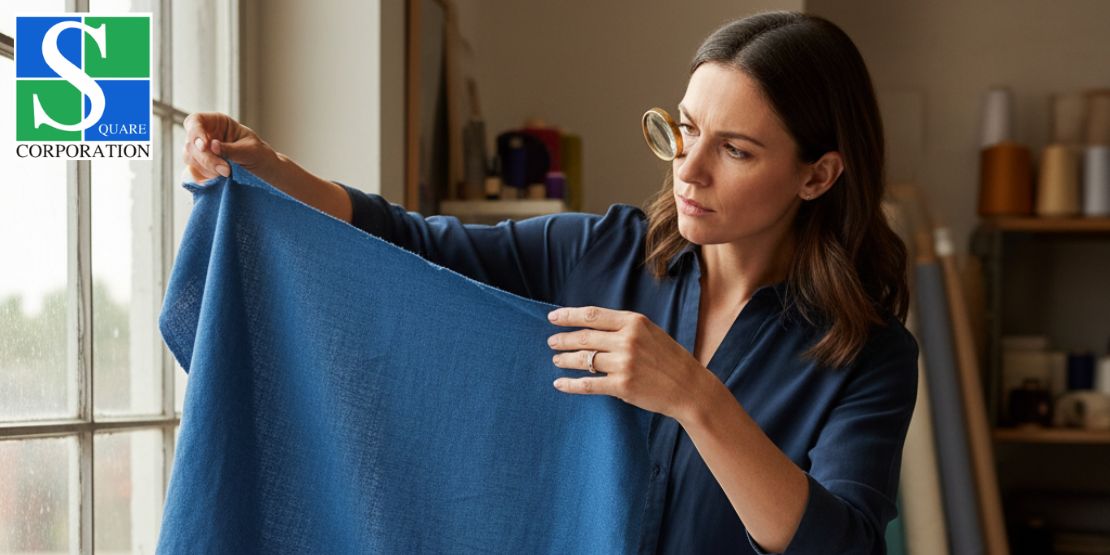
When assessing fabric, you should inspect it in daylight or under white, even light. A low-quality light source will conceal minor imperfections such as colour variation or set stains, and it is hard to make an assessment of the material’s true quality. It will take you some time to see material well under a proper light source and will reveal things you would not have otherwise seen, and you will exercise your best judgment. Because you are soon going to purchase the finest linen from the leading linen fabric manufacturers in India, remember this.

Take a close look at the surface

Run your hand lightly across the face of the fabric, holding it up to examine it for hidden defects. Look for runs that catch on your fingers, pilling that creates unattractive little balls, or slobs where the yarn is bloated out or shows uneven patches. Look for holes in the weave. Check the texture; look for any rough patches or unevenness that shouldn’t be there, giving a smooth, flawless feel.

Stretch and recovery test

Grip the material carefully and slowly pull on it, letting it stretch. Release and observe the amazing resilience of a quality material as it easily snaps back to its original shape. It holds shape so well, taking care of itself against sagging or warping, and showing its integrity with every return to its original shape.

Test for any available stain marks

Carefully examine the fabric on both sides. Check for any oil stains that could spoil its look, water stains that could reflect wetness, ink stains that could reflect careless handling, or mildew marks that could reflect wetness and carelessness. Carefully observing these will ensure the quality and lifespan of your fabric.

Conclusion

Spent a few minutes scanning closely-held material before you purchase it so that you can protect yourself against costly blunders and enable you to achieve the quality that you need. Through checking for normal faults such as color variation, surface flaws, and weak areas, you’ll be making well-educated, confident buys each time.
How Top Brands Manage Fabric Quality Control Globally

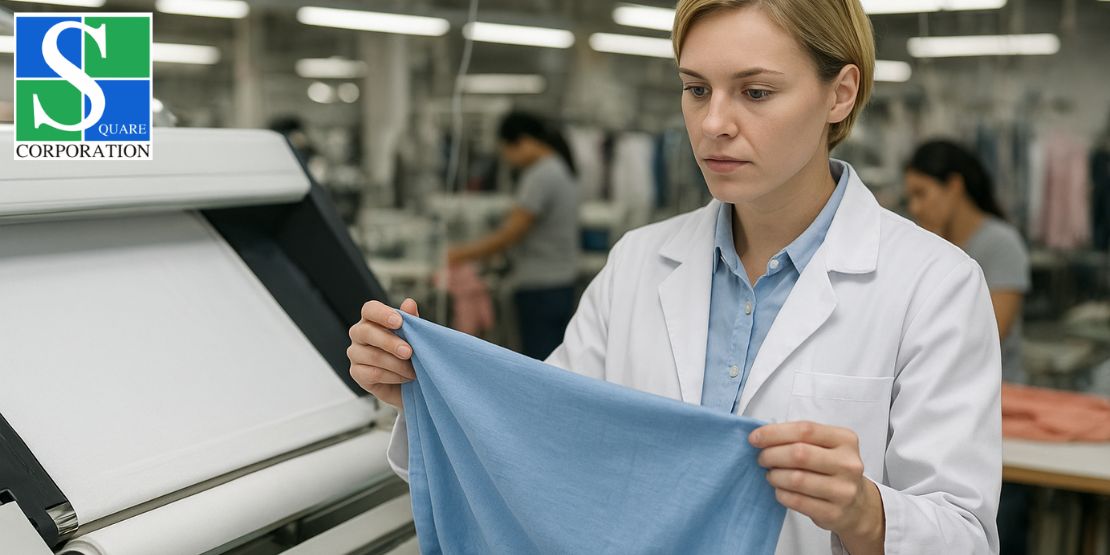
Fabric quality is most important to the fashion and clothing industry to a company’s reputation and customer confidence. The industry leaders are aware that even with their creative designs, they lose money if the fabric is of bad quality, untidy, or short shelf life. As a result of their pursuit of unflinching perfection, they use strict quality controls that monitor all the production processes right from acquiring raw materials to the final quality check. Therefore, if you intend to make something cozy and durable, then buy cotton from the finest cotton yarn manufacturer. This will enable you to obtain the best quality raw material that you desire.

World fabric quality control must possess the appropriate combination of quality standards, current technology, and quality supplier relations. The majority of world-selling companies must be standardized across various factories, nations, and supply chains and must be able to cope with fluctuating rules as well as consumer requirements. Dynamic world strategy makes sure that despite the final destination of fabrication, the fabric always turns out to be superior quality.

Some Ways That Brands Stand Behind Fabric Quality Control Across the Globe

Tight supplier vetting

The firms also made selective agreements with original and licensed material producers, making entries into unions founded on a commitment unbreakable for quality and definite consistency in all aspects of their production. Not only did this strategic partnership acquire access to quality material, it was also a promise towards craftsmanship and sustainability in all products being made. Purchasing material from top fabric manufacturers in India could literally revolutionize the entire book.

Testing of raw materials

Brands followed a policy of cautious and rigorous testing, investigating thoroughly a wide variety of finer yarns, novel materials, and precious dyes. Every material selected underwent severe tests for determining unexampled perfection and improved workmanship, giving a firm base before moving into the complex process of manufacture.

On-site audits

In the process of boosting the quality assurance processes, there will be permanent quality control experts who will address thorough and full audits of all of the factories in the globe. Qualified teams will conduct strict checks, reviewing each aspect of the production process to ensure that every product is of high quality and safety measures. Their rigorous inspections not only identify where there is scope for improvement, but also instill a culture of excellence and responsibility in the manufacturing sector. Flawless on-site inspection can be ensured with the assistance of top India textile manufacturing companies.

Batch sampling

Carrying out strenuous inspection of randomly picked lots in a bid to provide equal quality and uniformity for every manufacturing lot, hence providing maximum levels of quality manufacture. The process of strenuous inspection safeguards the quality of the products, creates a network of excellence that permeates every stage of manufacture. Accurately and assiduously, the brands try to provide a premium experience to their customers.

International regulation of textile quality is a complex but imperative function for flag brands to make conformity and consistency possible. Through the use of high technology, proper international standards, and continuous communication with the suppliers, the brands make each product produced in the production lines of uniform quality regardless of the manufacturing country. This seeking quality not only ensures the brand dominance but also guarantees customers’ long-term satisfaction.