
textile mills in punjab square textile company square manufacturing company textile manufacturer

How Fiber Denier Affects Fabric Quality

When you touch a fabric with your fingers, you will be able to feel its softness, sturdiness, weight, and flexibility. What is particularly striking is the fact that all these attributes are related to a single basic element: the fiber’s thickness, i.e., the fiber denier. The fiber denier is the basis for the way the fabric looks and the way it feels. Although we cannot see it, it is the single element that determines all the attributes of the fabric. The fiber denier directly influences the texture, strength, and structural density of viscose yarn. So, with the help of the best viscose yarn manufacturer, you can create perfect clothing that you are looking for.

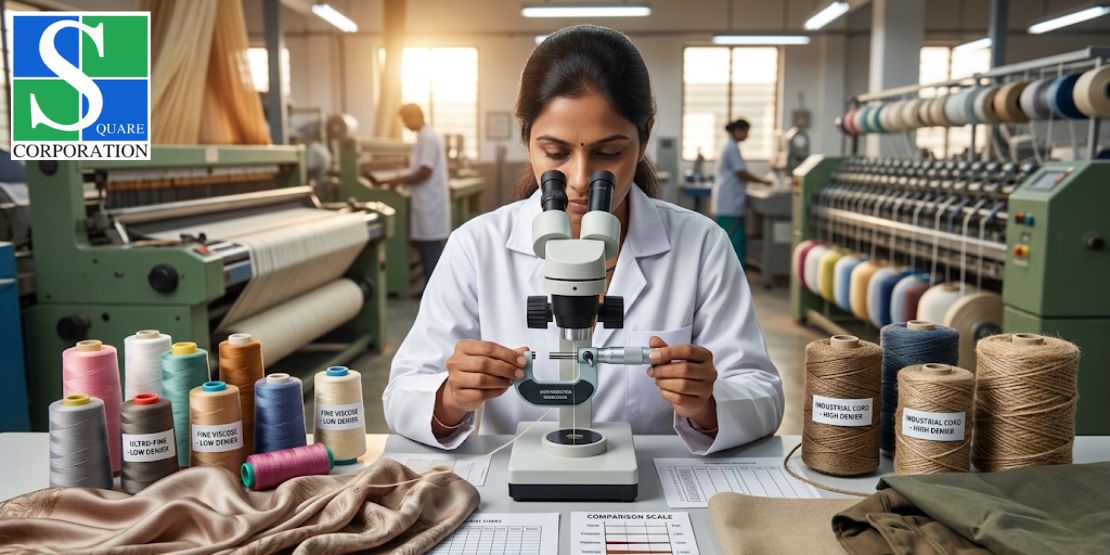
The denier measures how thick or thin a single fiber strand is. Fibers with a smaller denier produce materials that feel smooth, soft, and airy, while fibers with a higher denier produce tougher materials. For manufacturers making luxury clothing, activewear, or industrial textiles, understanding fiber denier is critical. It also influences the feel and lifespan of the fabric from the onset.

Various Ways Fiber Denier Affects Fabric Quality

The quality of fabric depends on the thickness or thinness of the fiber. It also depends on the design. The denier, which measures the thinness of the fiber, plays a crucial part in softness, durability, and weight.

Softness and texture

Low-denier fibers are very fine and soft, creating fabrics that feel smooth to the touch, and they are also produced in textile mills in Gujarat. The fibers are easily bent, which means they hang elegantly and create a smooth, silky texture in various fabrics. They are often found in luxurious lingerie, clothing, and microfiber fabrics. They increase the comfort and elegance of the fabric.

Strength and durability

The high denier fibers are stronger and thicker compared to most other fibers. They provide a lot of strength and can withstand wear and tear. This makes them suitable for use in heavy-duty materials such as in upholstered furniture, outdoor products, and industrial materials. Tough fabrics withstand rough weather and heavy wear and tear with barely a hitch.

Appearance and drape

The combination of fibers in a fabric will affect the way the garment drapes. For instance, the fibers will be thin if the fabric is light and will fall gently over the body. On the other hand, the fibers will be thick if the fabric is tough, making it suitable for a jacket or a bag. The thickness of fibers also determines the final look.

Cost and production value

The production process for ultra-fine fibers is a complex process. Micro-denier fabrics are extremely soft and light in texture. However, the process of making these fabrics is associated with a higher price. It is an example of the advanced technology used in the production of fabrics today. It is an expression of the importance of quality and luxury in the production of fabrics.

Complexity of production

The production of micro-denier fibers is complex. This results in the value of the production increasing and the quality of the final product also increasing. The fibers produced are of exceptionally high quality and have a soft feel to them. By integrating technology with craftsmanship, the production process promises the best quality.

Conclusion

The quality of fibers in terms of their denier is one of the most important aspects that define the quality of the fabric produced. By adjusting the fibers’ denier, it is possible to create a fabric that is soft, durable, and long-lasting while also being comfortable and having high performance characteristics. In essence, the quality of the fabric is largely dependent on the fibers’ denier.
Common Fabric Sourcing Mistakes That You Need to Avoid

Sourcing fabrics is highly instrumental to product development for both fashion designers and textile businesses. Fabrics are important in terms of aesthetics and quality. However, sourcing can be very complicated, with a number of suppliers to sort through and various technical specifications to consider. Far too many emerging brands make costly mistakes by failing to test fabrics properly, research the reliability of suppliers, or prioritize price over quality-all too often resulting in delay times and dissatisfied customers. The key to success is a strategic approach to wholesale fabric suppliers in India.

Mastering strategic fabric sourcing is an imperative strategy that can enable success in today’s competitive market. It provides the leeway to optimize production by avoiding common pitfalls, while maintaining consistency and enhancing a business’s relationship with its suppliers. Sourcing involves lining up quality, sustainability, and practicality for a brand’s vision, aside from finding the fabric. A thoughtful approach to fabric sourcing will make your products stand out positively.

Various Common Fabric Sourcing Mistakes You Should Be Aware Of

Selection of the right fabric forms the key to the success of any garment or textile item regarding aspects like comfort, quality, cost, and market value. Several common mistakes are made by start-up businesses in sourcing fabrics, leading to delays in production and financial losses. Avoidance of such mistakes would result in smoother operations, better quality control, and good relations with the suppliers.

Not defining the fabric requirements precisely

The critical thing here is to develop tight specifications so you get the right fabric for your product. Decide beforehand what the most important fabric properties are to you, including fiber type, grams per square meter weight, stretch, durability, colourfastness, and end-use, amongst other factors. Convey the exact specification so that mismatches and unsuitable fabrics are minimal in number; ensure only quality and great performance for your final product. Remember this fact when you plan on buying fabric from one of the best linen fabric manufacturers in India.

Price being the only aspect they are concerned with

Low-budget fabrics might look very attractive at first sight, but most of them compromise on durability, comfort, and even sustainability. You need to balance cost with quality for long-term performance. The best thing is to get fair pricing, not necessarily the lowest pricing. This way, you can reduce the chances of expensive returns and customer complaints due to low-quality material. A thoughtful choice gets a better result on every front.

Ignoring lead times and delays in supply chains

Long lead times can be disruptive, whether in production or product launches. Check out your suppliers before you place an order. See how quickly they ship, how much you can actually count on them, and what their delivery times look like in real life, not just on paper. Build in some extra time for yourself so you’re not scrambling at the last second. This way, you get your goods on time and avoid unnecessary stress.

Ignoring shrinkage-related fabric-care specifications

Certain fabrics may shrink, stretch, or change texture after a wash. The changes in fabric will affect the fit as well as the appearance of the garment. Care properties such as wash, iron, and dry must be thoroughly tested so any adaptations can be made in your pattern or production in order to maintain the shape, size, and finish of fabrics even in consumer use.

Overlooking fabric availability and consistency

Note that some fabrics may be discontinued, or there may be a difference from one production batch to another. You do need to discuss long-term availability and batch-to-batch consistency with your suppliers. Where possible, negotiate a contract or reservation of fabric for future runs, so you can ensure product consistency and minimize resourcing challenges considerably.

Conclusion

When you’re sourcing fabric, it’s just as important to know what mistakes to avoid as it is to find the right materials. Start by getting clear on exactly what you need. Test the fabrics, check out your suppliers, and keep sustainability in mind. That’s how you make choices that really save time, money, and hassle. Good sourcing isn’t just about picking fabric off a shelf. It’s about working with people you trust, making sure the quality stays solid, and choosing materials that actually fit your brand’s vision and values.

Ultimate Guide to Spot a Fabric Defect Before You Purchase

Purchasing fabric for clothing, home furnishings, or craft use involves more than color, texture, or print. The majority of consumers ignore important information that can affect how soft the fabric will be, how long it will last, and how it will appear. Surface imperfections like weave defects and dye irregularities result in wasted materials, poor quality projects, and worn-out garments too quickly. Being cautious about these minor issues will lead you to the right thing and get the best return. So, with assistance from wholesale fabric suppliers in India, you will be able to solve the issue and make better-quality clothing of your own preference.

Finding defects in fabric prior to buying is a trick that spares your time and frustration. By the use of some smart knowledge and a sharp eye, you can identify normal defects such as runs, misprints, and wrong dyeing. We guide you here with the key signs to check for while buying fabric yardage or assessing the quality of a finished garment. You will shop for your materials with ease and confidence!

Various Methods of Determining a Defective Fabric

Inspection for faults like snags or weakness points that may affect quality prior to buying fabric. Inspecting first will save you time and effort and get you the best material for your work.

Inspection in the best light.

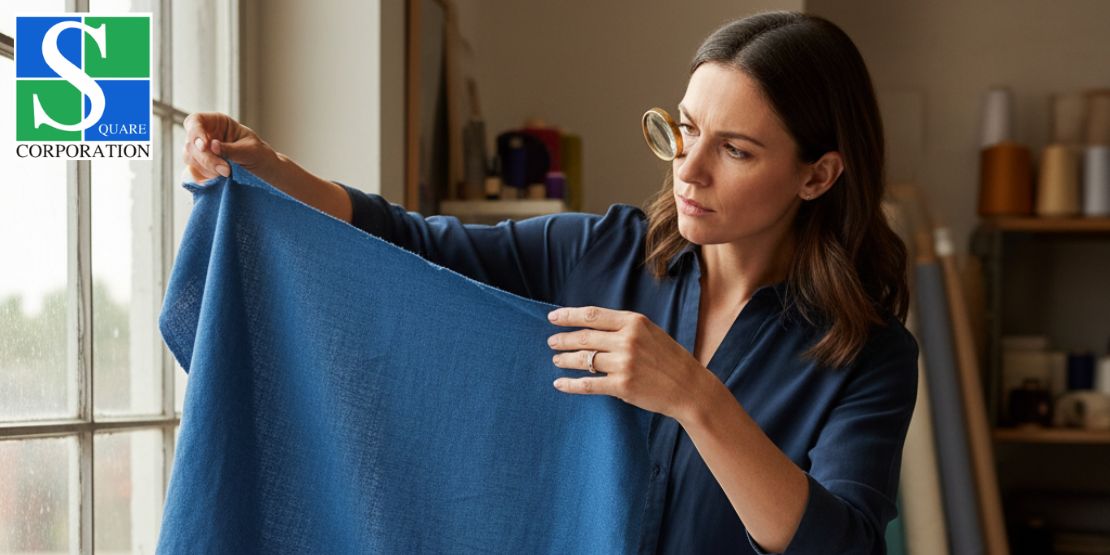
When assessing fabric, you should inspect it in daylight or under white, even light. A low-quality light source will conceal minor imperfections such as colour variation or set stains, and it is hard to make an assessment of the material’s true quality. It will take you some time to see material well under a proper light source and will reveal things you would not have otherwise seen, and you will exercise your best judgment. Because you are soon going to purchase the finest linen from the leading linen fabric manufacturers in India, remember this.

Take a close look at the surface

Run your hand lightly across the face of the fabric, holding it up to examine it for hidden defects. Look for runs that catch on your fingers, pilling that creates unattractive little balls, or slobs where the yarn is bloated out or shows uneven patches. Look for holes in the weave. Check the texture; look for any rough patches or unevenness that shouldn’t be there, giving a smooth, flawless feel.

Stretch and recovery test

Grip the material carefully and slowly pull on it, letting it stretch. Release and observe the amazing resilience of a quality material as it easily snaps back to its original shape. It holds shape so well, taking care of itself against sagging or warping, and showing its integrity with every return to its original shape.

Test for any available stain marks

Carefully examine the fabric on both sides. Check for any oil stains that could spoil its look, water stains that could reflect wetness, ink stains that could reflect careless handling, or mildew marks that could reflect wetness and carelessness. Carefully observing these will ensure the quality and lifespan of your fabric.

Conclusion

Spent a few minutes scanning closely-held material before you purchase it so that you can protect yourself against costly blunders and enable you to achieve the quality that you need. Through checking for normal faults such as color variation, surface flaws, and weak areas, you’ll be making well-educated, confident buys each time.