


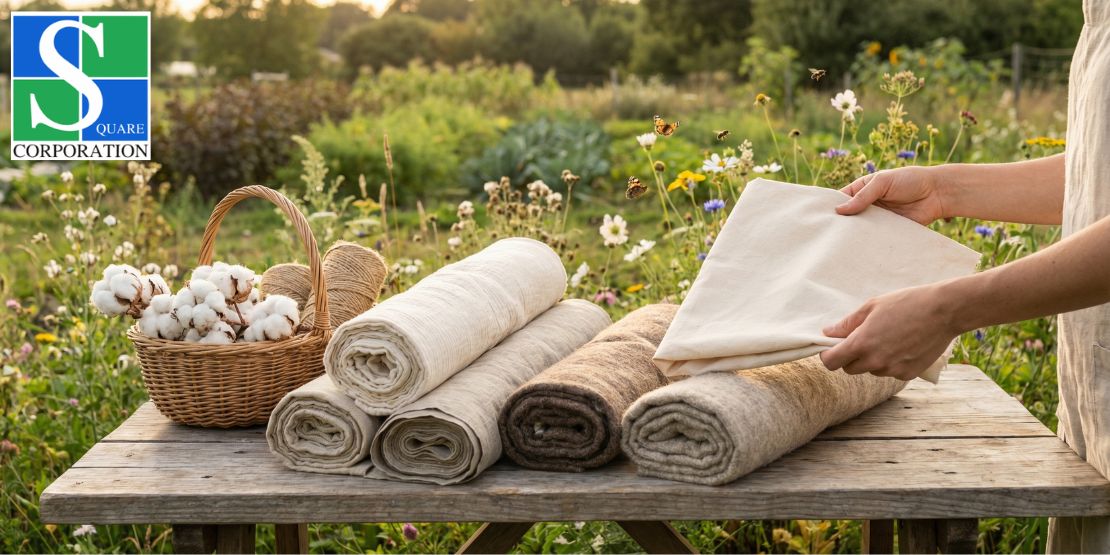
Fabrics used in our everyday life strongly influence the health of the planet. Conventional manufacturing of textiles generally includes pesticides, water-guzzling crops, and synthetic materials. That means it contributes to habitat loss and pollution by destroying ecosystems and depleting soil fertility; therefore, the species’ lives are put in danger. It’s high time for action; now biodiversity is decreasing. If you want to choose the best fiber to support biodiversity, then organic cotton manufacturers in India can help you out in this case.
Supporting biodiversity with the variety of fabrics used means paying attention to methods of production and material sources. Natural, organic, responsibly sourced fabrics support protection for ecosystems, enable sustainable farming, and reduce pollution. Each decision-from organic cotton to avoid synthetic fibers-preserves nature and will leave a healthier planet for future generations.
Various Ways to Support Biodiversity Through Your Fabric Choices
Healthy ecosystems are a prerequisite for biodiversity and the health of the planet. In reality, however, the industry belongs to the biggest polluters due to harmful farming practices and highly toxic materials. Actually, with eco-friendly textiles, immense opportunities exist to protect natural habitats, support ethical farming, and promote biodiversity.
When possible, select natural or organic fibers
Opt for organic cotton, hemp, linen, jute, and wool instead of synthetic fibers like polyester or nylon. Organic fibers don’t require the poisonous pesticides or synthetic fertilizers that destroy the healthy richness of the soil and put the lives of the pollinators in danger. By their use, you will be growing healthy soil nurturing microorganisms, insects, and plants, giving cleaner runoff to protect aquatic life. Make sustainable choices for a better Earth. You can get some organic fibers with the help of Yarn Sourcing India.
Avoid synthetic fabrics; they will shed microplastics
All of these fabrics, including polyester, acrylic, and nylon, will shed microplastics in the wash that find their way into our waterways and cause serious harm to marine life. Such toxic microfibers go into the stomachs of fish and other organisms, disrupting entire food chains. We can save our oceans and freshwater from plastic pollution simply by making less use of synthetic materials. If we want to save biodiversity, the time to take action is now.
Support more ethical, traceable supply chains
Go for brands that can offer transparency regarding fabric sources and processing. Ethics in sourcing come into play to ensure farming and processing methods are causing no harm to ecosystems or communities. On the other hand, traceable supply chains would act in an active way to combat deforestation, overgrazing, and habitat destruction associated with the production of textiles. Now, with the best spinning mills in India, one need not bother about it.
Buy less, choose wisely and care properly
Consuming sustainably matters just as much as making things in a sustainable way. When you buy carefully, fix what you have, and take good care of your clothes or fabrics, they last longer. That means you don’t need to buy new stuff as often, so fewer resources get used up. In the end, you put less strain on the planet. Let us make the conscious choice for a healthier planet.
Conclusion
The fabrics you pick actually make a difference for biodiversity. When you choose carefully and think about where your materials come from, you help protect the world around you. Every fabric’s got its own story—think about the soil it started in, the people who made it, and the journey it took to reach you. Go for textiles that are sustainable, organic, and ethically made. These options help protect ecosystems and wildlife, and they let style and nature work together instead of against each other, whether it’s for your closet or your home.
