textile mills in punjab square textile company square manufacturing company textile manufacturer

CVC Yarns: The Reasons behind Their Unmatched Efficiency

We all know that the textile industry is widespread. Among several yarn options, CVC or Chief Value Cotton yarns are becoming a very popular option. CVC is famous among manufacturers who seek the ideal balance between polyester’s durability and cotton’s natural comfort.

At Square Corp, we take pride in offering superior-quality CVC yarns that meet all the industry standards. This blog is all about what CVC yarns are and the reasons behind their unmatched efficiency. Contact a renowned organic cotton manufacturer in India to get top-grade CVC yarn at a competitive price.

The Basics of CVC Yarn

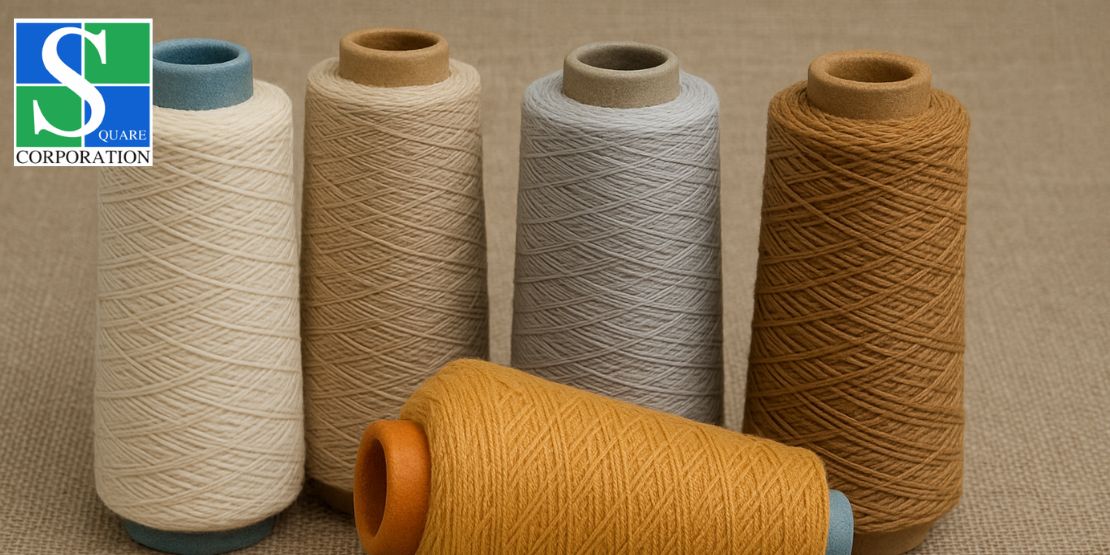
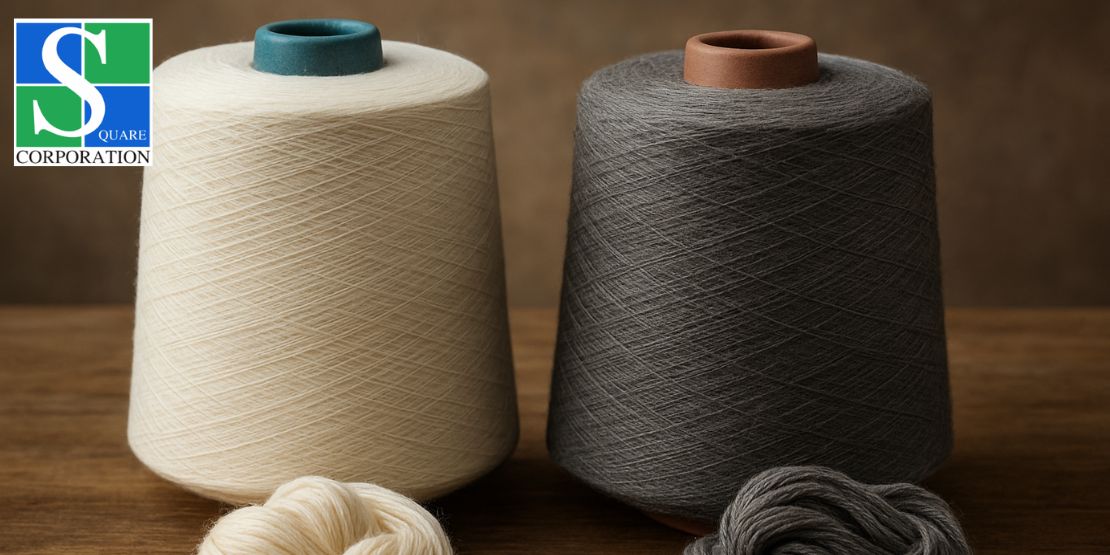
CVC or Chief Value Cotton yarn is a blend of polyester fibre and cotton. Cotton is a significant ingredient in CVC yarns, comprising 50% or more of the composition. The most common blends involve a 70/30 and 60/40 cotton-to-polyester ratio.

These yarns offer breathable and soft qualities of cotton, while also having the durability and resistance of polyester. For this reason, CVC yarns are versatile, capable of delivering high performance and resisting shrinkage or wrinkles. Whether it’s day-to-day garments or specialised fabrics, CVC yarns are appropriate for all.

The Key Advantages of CVC Yarns

So, as of now, you may realise what CVC fabrics are. Now it’s time to discuss the key advantages of CVC yarns. Have a look at the segment below to know the reasons behind the unmatched efficiency of these yarns.

Cotton-Rich Comfort

The first notable advantage of CVC yarns is cotton-rich comfort. With more than 50% cotton content, CVC yarns offer comfort and natural softness. Similar to cotton fabric, CVC yarns are great for home textiles and clothing. It’s due to their enormous comfort and breathability when they come in contact with skin. So why wait? Contact a reputable organic cotton manufacturer in India to purchase your preferred yarns.

Enormous Durability

The next noteworthy benefit of CVC yarns is enormous durability. We all know that CVC is a blend of cotton and polyester. Hence, the polyester component can increase the lifespan and durability of the fabric made up of CVC yarn. Those fabrics are resistant to tearing, wear, and pilling. Hence, CVC yarns are ideal to make products that undergo frequent washing or use.

Moisture-Wicking & Breathability

Do you know that CVC yarns are highly breathable? It’s due to their cotton content, which helps in maintaining breathability. On the other side, polyester contributes to the moisture-wicking features of CVC yarns. This is why CVC yarns or fabrics are a perfect choice for sports uniforms and active wear.

Shrink Resistance

Another very significant advantage of CVC yarns is shrink resistance. When compared to 100% cotton fabrics. CVC fabrics are less prone to shrink after washing due to the polyester’s capability to maintain structure and shape.

Inexpensive

Contrary to popular beliefs, CVC fabrics are highly economical when compared to original cotton. Many of us are not aware that CVC yarns offer high performance at a lower cost. For this reason, they are very popular in several spinning mills in Gujarat and the fashion industry.

FAQs

1. What is the composition of CVC fabric?

A. CVC fabric is a blend of polyester and cotton with a high proportion of cotton(50% or even more).

2. Is CVC cotton a good option?

A. CVC cotton is an excellent option for several applications due to its balance of durability, comfort and affordability.

3. What is the complete form of CVC fabric?

A. The complete form of CVC fabric is Chief Value Cotton fabric

The Final Thoughts

At Square Corporation, we specialise in the production of top-notch CVC yarns. All our CVC yarn products meet the demands of our clients. With years of experience in the yarn industry, we ensure that every batch of our CVC yarns meets the highest standards. In this manner, we guarantee durability, softness, and versatility.

Whether you’re in the industrial sector, home textiles, or fashion, we offer yarn solutions that will increase the longevity and performance of your final product. So, if you want reliable and premium-quality CVC yarns, Square Corporation is your go-to organic cotton manufacturer in India. Connect with us today.
How Solar Energy is Powering Textile Mills

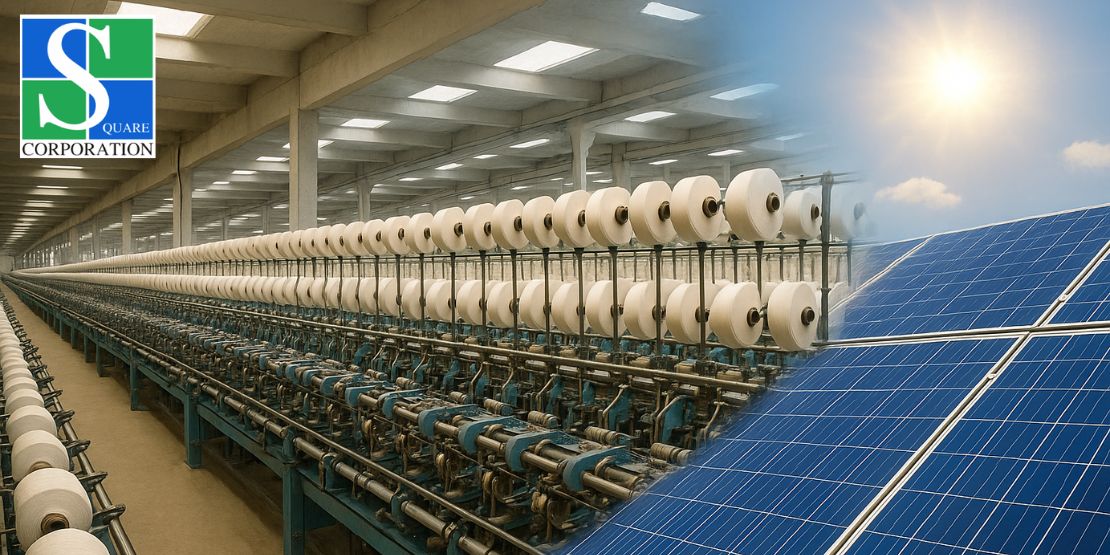
The textile manufacturing process is extremely power-consuming, and there is a great amount of power used in processes like spinning, weaving, dyeing, and finishing. Traditionally, this power has come from fossil fuels like diesel and coal, and due to this, the process has been costly as well as environmentally threatening. Textile industry manufacturers are shifting towards cleaner, greener sources of power due to skyrocketing energy prices and stricter environmental regulations. If you want to be a contributor of the textile sector, then with the help of fabric manufacturers in India, you can do so.

In turn, many mills are boldly adopting solar power as a viable alternative. Photovoltaic advances and government incentives have made it economically feasible and appealing to install solar panels. Solar power helps textile mills cut power bills and their carbon footprints. The shift is towards global sustainable objectives pursued by eco-conscious consumers and organizations.

Different ways solar power is energizing textile mills

The energy-intensive textile industry has historically been dependent on fossil fuels. Some of these mills are switching to renewable energy, like solar energy, in response to environmental issues and increasing energy prices. The switch minimizes carbon footprints and yields long-term economic advantages, revolutionizing the textile manufacturing industry.

Lowering reliance on grid power

Textile mills are highly reliant on electricity to operate big machinery like spinning machines, looms, dyeing units, and finishing units. Through the installation of rooftop solar panels or the establishment of solar farms on their grounds, these mills are able to harness the sun’s energy to drive their operations.

This eco-friendly system not only significantly reduces their reliance on the power grid but also acts as an insurance against future power shortages and volatile energy prices to provide hassle-free operations and economy. Supported by the market leaders of linen fabric manufacturers in India, you are contributing to sustainability as well.

Carbon emissions reduction

By migrating towards clean, renewable energy sources from fossil fuel-based electricity, textile mills can help cut down substantially on greenhouse emissions. By doing so in a pre-emptive capacity, not only are companies adhering to strict environmental standards but also staying within global standards of sustainability. It is particularly important for exporters who want to partner with green-conscious brands that are keen on environmental care within their supply chain. This sustainability commitment also increases the reputation of the mills and promotes a more sustainable industry future for everyone.

Hybrid energy systems

Most mills are turning towards hybrid power systems, wherein solar power is coupled with traditional sources in a most efficient manner. Such a modern-day system provides a clean and constant source of energy, especially during night time or cloudy weather conditions. By such complementarity between the two sources of energy, mills not only become more dependable but also utilize the best of clean, renewable power to lead the way towards a greener and cleaner tomorrow.

Cutting down operational costs

After the investment is completed, using solar energy reduces the significant amount of money spent on electricity very much. Mills with solar technology are said to regain the initial investment after a few years. In the long term, the ongoing lowering of energy bills not only increases profitability but also puts the firm in a better position to compete in an industry becoming more sensitive to cost of operation. This trend towards renewable energy has the potential to redefine economic security, positioning mills as visionary leaders of a sustainable, economically viable business.

Sun power will soon be a game-changer for the textile sector. Not only does it reduce the cost of conducting business and pollution levels, it makes textile mills responsible, pro-active companies in a rapidly evolving green-conscious market. With solar technology costs dropping and improving, it should come as no surprise that more and more textile mills soon start using the sun as a primary source of energy for their activity.

Cotton Thread vs Synthetic Thread: An Industrial Approach

The textile and garment manufacturing industry continuously experiments with new and innovative garment manufacturing processes that can save time and reduce costs while providing premium-quality products. In such cases, reliable fabric manufacturers in India always strive to use premium-quality cotton and synthetic threads in the fabric manufacturing process. Choosing cotton or synthetic thread is not just about material preference for industrial use. It is essential in production methods, performance characteristics, and different industrial applications.

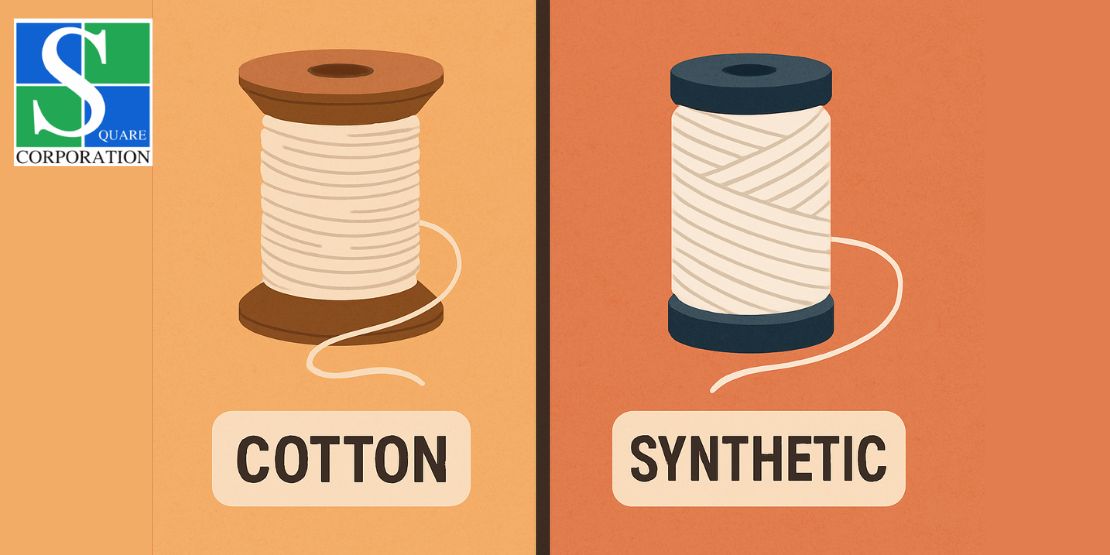
Maximum reliable fabric and garment manufacturers have preferred to use cotton thread for centuries; synthetic threads are vital for mass production, cost efficiency, and durability. Through this blog, we will discuss the manufacturing process, functional properties, and applications of cotton and synthetic threads in various industrial settings.

Origin and Usefulness of Cotton Threads

Garment manufacturers have been using cotton thread for over 7,000 years, with the advent of machine-spun cotton production. Natural cotton fibers are spun and twisted into thread, whereas traditional cotton thread is treated with caustic soda to enhance dye absorption, strength, and luster. Now, let’s discuss the usefulness of using cotton threads for industrial usage-

  • The soft and matte finish criteria of cotton threads are ideal for manufacturing natural fabrics such as cotton, wool, and linen.
  • Cotton threads have excellent heat resistance capacity that does not melt under high ironing temperatures.
  • Cotton threads are dye-friendly and absorb dye uniformly, making them ideal for solid-colored garments.

The Usefulness of Synthetic Threads in Modern Industrial Usage

Synthetic threads, such as nylon and polyester, have become a vital component of the modern textile and garment manufacturing industry. Due to their impressive strength and cost-effectiveness, synthetic threads are gaining popularity for various industrial applications. let’s discuss them in detail-

  • Due to the higher tensile strength, synthetic threads can withstand repeated stress and abrasion.
  • Synthetic thread is renowned for its UV resistance and mildew resistance, which are vital for outdoor wear.
  • Due to minimal shrinkage, synthetic threads retain their original shape after multiple washes.

Cotton Threads Manufacturing Process

Reliable fabric manufacturers consistently strive to utilize premium-quality spinning mills in Punjab to produce high-quality cotton threads in a significant manner. Let’s discuss it in detail-

  • Fiber selection – Fabric manufacturers constantly strive to use long-staple cotton to produce high-quality cotton threads.
  • Combing – After selecting the fiber quality, it is cleaned, aligned, and converted into yarn.
  • Mercerization – This process is vital for improving the strength and dye uptake of the cotton threads.
  • Plying – In this step, multiple cotton yarns are twisted together to enhance the durability of the cotton threads.

Synthetic Thread Manufacturing Process

Apart from cotton thread manufacturing, the synthetic thread manufacturing process is also vital for producing high-quality garments. Let’s discuss the manufacturing process of synthetic threads.

  1. Polymer extrusion-It is the first step, where melted polyester is forced into a spinneret to create filaments.
  2. Drawing – In the 2nd step, filaments are stretched for strength and textured for bulk.
  3. Lubrication – the resin coatings on synthetic fibers can improve abrasion resistance and sewing performance.

Industrial Application of Cotton and Synthetic Threads

In this segment, we will discuss the industrial application of cotton and synthetic threads. Let’s discuss them in detail-

  • Denim and workwear industry – Cotton threads are useful for heritage and jeans manufacturing. Whereas polyester synthetic threads are beneficial in this industry due to their impressive durability.
  • The outdoor gear industry– Utilizes polyester and nylon threads for manufacturing outdoor gear due to their impressive UV resistance.
  • Dyeing and custom finishing industry – Synthetic threads are useful for garment manufacturing in this industry because they can resist dye and remain visible.
  • The embroidery industry– Utilizes cotton threads for their matte finish look.

Conclusion

There must be a constant debate between cotton and synthetic threads due to their superior quality and impressive industrial applications. If you come from a specific industry, you must make good decisions between synthetic and cotton threads. However, if you want premium-quality cotton thread or yarn, you must contact Square Corporation for the best-quality cotton threads. Our premium-quality cotton yarn surely meets your industrial requirements.

An Invaluable Guide on the Types of Conventional Threads

Threads or yarns are the basic components which a fabric consists of. The yarn manufacturers group and twist several strands of fibres together to make a perpetual length of interlocked fibres. The process that helps in this twisting or grouping of the fibres is known as spinning. The fibres that create the yarn can be synthetic, natural, a blend, or even a combination of both.

Among them, cotton is the most commonly used natural fibre. Some other natural fibres are linen, bamboo, jute, wool, silk, and angora. Among all the synthetic fibres, polyester is the most widely used one. The manufacturers knit or weave the yarns together to make the fabric. Yarns hold great importance in knotting, crocheting, embroidery, and rope-making.

Some fabrics, such as chiffon, can incorporate multiple types of yarns, including polyester chiffon and silk chiffon. Below are some common examples of conventional yarns used in the textile industry. Contact a reputable recycled yarn manufacturer to purchase premium-quality yarns at exciting offers.

The Common Types of Conventional Yarn

There are several categories of yarns based on fibre type, stretch, numbers of fibres, fibre production process, and other factors. Below, we are going to jot down the most common categories of conventional yarns used in the textile sector.

Carded Yarn

The first significant example of conventional yarn is carded yarn. Carding is a process that aligns fibres and removes impurities to form carded yarns. Carded yarns have a rustic appearance and offer extraordinary softness and insulation. Carded yarns are ideal for making cosy blankets, sweaters, and other warm garments.

Combed Yarn

The next prominent category of conventional yarn is combed yarn. Combed yarn undergoes a procedure called combing. In this process, manufacturers meticulously align the fibres to form a finer and smoother yarn. Combed yarn is famous for its smoothness, uniformity, and strength. This makes them a suitable choice for high-quality fabrics, such as luxury textiles and fine clothing.

PC Yarn

PC yarn, also known as polyester-cotton yarn, is a prevalent category of yarn used in textile mills in Gujarat. PC yarn is a blend of cotton and polyester fibres, making it a versatile textile material. PC yarn is a prevalent blend that offers a combination of comfort and durability. Though the blend of PC yarn may vary, the common ratios involve 65% polyester and 35% cotton. This yarn is renowned for its reduced wrinkling, enhanced durability, cost-effectiveness, and moisture-wicking properties.

Organic Yarns

Do you know what organic yarns are? Organic yarns are high-quality products made from organic cotton. Organic cotton is a natural product and thus has no connection with agricultural procedures. Yarn manufacturers inspect these yarns at every stage of the manufacturing process. From the land activities until the end product reaches the customers, these yarns go through rigorous inspection procedures.

Double Yarn

Also known as two-ply yarn, double yarn is a product created by twirling two single yarns together. This procedure strengthens the yarn and can also impact its appearance and texture. A prevalent example of double yarn is DK yarn, also known as double-knitting yarn. DK yarn is a famous medium-weight yarn used in crochet and knitting. Double yarn is renowned for its exceptional texture, strength, appearance, and versatile applications.

The Bottom Lines

So these are some widespread examples of conventional yarn. Contact one of the best recycled yarn manufacturers, Square Corporation, to access a vast range of traditional yarns, including BCI yarns, linen, combed, double, and organic cotton yarns. Get in touch with us to know more about our products.

How to Overcoming Shortage in Organic Cotton Supply

With increased demand for sustainable fashion, organic cotton is increasingly becoming a must-have for green brands. Yet, supply lags behind due to constrained certified land, reduced yields, climate disturbances, and high costs of production. In order to close the gap and make sure that everything is sustainable, companies need to find creative solutions in every segment of their supply chain. In order to have a stable supply, one should reach out to organic cotton manufacturers in India.

With the increasing demand for sustainable fashion, organic cotton is increasingly being appreciated. Yet its supply is most often inadequate owing to scarce land available for farming, high cultivation expenses, and unpredictable climatic patterns. These shortages have to be bridged by intelligent methods by companies and stakeholders. In this article, we will give you a list of methods to bridge the shortage in organic cotton supply.

Hints For Overcoming Organic Cotton Supply Shortages

Strengthen farmer relationships

Build directly with farmers through long-term contracts and form fair trade alliances based on mutually equitable relationships. Offer intensive training and support that focuses on organic farming practices, allowing farmers to raise their yields while greatly minimizing crop loss risk. Furthermore, it offers access to financing and crop insurance, especially to organic cotton farmers, to ensure a seamless shift from conventional to sustainable organic agriculture. Furthermore, if you want to manufacture the best finished products for your customers, a spinning mill in Gujarat can help you do so.

Invest in regenerative agriculture

Adopt regenerative agricultural practices—e.g., crop rotation, composting, and organic pest management—to measurably increase soil health and improve cotton production. These methods have been shown to revolutionize agricultural results and promote a secure future for agriculture. Promote and demand transition programs to assist conventional cotton producers with their transition to certified organic, thus increasing the world’s supply base and providing a sustainable future for the industry.

Support innovation and R&D

Invest in higher-quality seeds that not only have resistance to pests but also have improved resistance against drought, which can make the crop more sustainable. Also, invest in cutting-edge technology that can simplify organic certification procedures and monitor soil health parameters. This will make it easier to comply, reduce the burden on farmers, and promote a healthier agri-ecosystem.

Educate consumers

Transparency regarding the intricacies of material sourcing is important, especially for cotton. Through furnishing clear information regarding these complications, we can stress the merits of opting for blended or transitional cotton. This can not only help bridge the distance to full organic certification but also encourage consumers to be responsible and sustainable in their choices. Even if a product is not completely made from organic cotton, informing consumers with information enables them to choose those that are even more planet-friendly and helpful towards the cause of overall sustainability.

Diversify sourcing regions

In order to cultivate resilience in sourcing strategies, it is important to prevent dependence on a single nation or region. By diversifying the sources of organic cotton produced from various areas, like India’s green fields and other parts of the world, organizations can successfully counter risks due to unstable weather patterns, political unrest, or regional shortage. This planning also safeguards supply chains and fosters a healthy and sustainable sourcing system.

Solving the urgent shortage of organic cotton is not about seeking fast fixes; it is about building strong, ethical, and scalable systems that will last the distance. Investing in farmers’ livelihoods, increasing transparency along supply chains, and adopting flexibility in design processes allows fashion to turn sustainability from a passing fad into an actual, enduring reality. This holistic approach will foster a more responsible and conscientious sector, benefiting both people and the planet.

Challenges in Yarn Manufacturing: How the Industry Combats It

The yarn manufacturing industry is the base of the global textile industry, and it needs continuous development to combat some major challenges. The complex surroundings for yarn production are the main challenge for cotton yarn traders. The volatile nature of raw material supply and sustainability pressures affect the yarn manufacturing process significantly.

As consumer demand is continuously evolving and lots of new rules and regulations are introduced in the market, yarn manufacturers are trying to adopt innovative product strategies to overcome these challenges. Through this comprehensive study, we will discuss the key challenges in yarn manufacturing and how the industry combats these challenges.

Challenges in Higher Raw Material Costs and Problems in the Supply Chain

In this segment, we will discuss the significant challenges of higher raw materials costs and disturbance in supply chain management.

Volatility in cotton and wool price

The sudden rise of the cotton fabric is one of the major challenge of the yarn manufacturing. Due to higher demand and limited supply the price of the cotton fabric has increased significantly.

Disturbance in supply chain management

Due to labor shortages and shipping delay, the supply chain management is affected and led to higher manufacturing costs.

Process of combating this challenge

  1. An alternative source of fibers– Due to the higher price of organic fiber, yarn manufacturers are trying to focus on the usage of synthetic fibers or recycled fibers.
  2. Sourcing from diversified option– Yarn manufacturing companies are trying to expand supply chains for sourcing raw materials throughout the world to reduce the dependency on single sources.

Key Challenge for Yarn Sustainability and Higher Economic Demand

Due to the recent changes in the global scenario, yarn manufacturing units are facing massive changes regarding yarn sustainability and higher economic demand.

Pressure in the global regularity framework

As the global textile industry focus on the use of recycled fibers and push the manufacturers to use eco friendly components, it must be a great challenge for yarn manufacturer.

Quality matter for recycled yarn

Mixing of recycled fibers with raw fibers can damage the yarn strength and product reliability. It creates a huge negative impact on yarn manufacturing.

The solution to combat yarn sustainability

  1. Using recycling technology– Innovation like the fiber regeneration model can indicate a zero waste model.
  2. Using quality control tools– Yarn manufacturers mainly use AI-driven tools to detect the problem in yarn blends to protect against its negative impact on fabric quality.

How Technological and Operational Hurdles Create Negativity on Yarn Manufacturing

Technological and operational hurdles can have a huge negative impact on the yarn manufacturing process.

Higher investment costs

With the latest technological development and merging with the new technology indicates the higher investment. It must be a huge problem for small manufacturers.

Wrong production of yarn

Mechanical stress during yarn manufacturing may lead to poor yarn quality and enhance waste production.

Technological solution

  1. India textile manufacturing industry is trying to adopt the latest technological development to prevent fibre damage and enhance production efficiency.
  2. Yarn manufacturing units are trying to adopt protective fiber coating that can reduce friction during yarn manufacturing.

Challenges for Market Competition and Consumer Demand

In this segment, we will discuss how market competition and changes in consumer demand affect yarn manufacturing.

The volatile nature of the fashion industry

It is hard for yarn manufacturers to predict future trends and estimate market demand based on fashion needs.

Price sensitivity

Maximum fashion-conscious consumers prefer to use sustainable products, which encourages yarn manufacturers to use expensive raw fabrics. This indicates the higher cost of sustainable yarn.

How to solve this issue

  1. Digital knitting helps the yarn manufacturers to produce customized yarns within a small batch and reduce the risk of overproduction.
  2. Introducing smart and innovative technology to predict future fashion trends can help the yarn manufacturer significantly.

Conclusion

However, yarn manufacturing industry is facing a huge number of challenges that damage its production process. But with the introduction of innovative technological development and sustainable practise yarn manufacturer can combat the major production challenges. Square Corporation is a renowned manufacturer and exporter of cotton yarn who tries to resolve all production challenges for a smooth manufacturing process.

A Guide to the India’s Fabric Market

India’s textile Industry is famous for its rich heritage. It holds an unique place in the Indian economy because of its strong historical roots, exports and industrial output. They make a wide variety of fabrics that are used across India and also sent to other countries. Textile mills in Gujarat use both traditional and modern methods. They create cotton, polyester, silk, and blended fabrics. Let’s discuss about the scenario of the wholesale fabric market in India.

The Backbone of The Fabric Market

While the mills make fabric, wholesale fabric suppliers in India play another big role. These suppliers buy large quantities of fabric from mills and sell them to garment makers, designers shops and exporters.

Let’s look at how wholesale suppliers help the textile industries

Wide Range of Fabrics

Wholesale fabric suppliers in India offer many types of fabrics. These include cotton, polyester, rayon, and many more. They also provide printed fabrics, dyed fabrics, and fancy materials which is used in fashion. This wide variety help buyers to fond everything in one roof.

Connect Manufactures to Buyers

Suppliers act like a bridge between mills and small buyers. A small shop owner or a tailor might not be able to buy directly from a mill. But wholesale suppliers help them to get these fabrics in smaller amounts.

Better and Bulk Deals

The wholesale suppliers get better prices from the mills because they buy in larger quantities. They can offer discounts to their customers. This helps small businesses to save money.

Transportation System

The logistics and transportation system in Gujarat is also strong. It allows timely delivery of goods across India and to international destinations. The state’s well-connected ports, roadways, and railway stations support easy movement of raw materials and finished goods.

Customer Service

In addition to quality fabrics, the wholesale suppliers also provides excellent customer service. Their team assists clients at every stage. It helps the clients from fabric selection to the dispatch of the orders. It ensures a smooth hassle-free experience. This approach helps them to build long term relationships with clients across different industries.

Textile Industry In Gujarat

Gujarat is one of the leading states in textile production in India. The textile mills in India are known for their high quality fabric manufacturing and advanced machinery. The textile mills in Gujarat play a key role in supplying fabrics to both domestic and international markets with a strong supply chain. It has wide access to huge raw materials. The state also supports thousands of small business and contributes significantly to Indian economy.

If you are looking for reliable wholesale fabric suppliers in India, you can explore the options available in India. This can be a smart move. The combination of advanced textile mills, skilled labors, affordable price, and consistent product makes India a worth textile destination.

The Conclusion

In conclusion, this is the whole process of the fabric market and the wholesale suppliers in India. It underscores the rich heritage of the fabrics and the affordable prices of the wholesale market. Appreciate the beauty of natural fabrics and supports the wholesale fabric suppliers.

Growing Green Threads: A Path to Greener Manufacturing

India is famous for its textile production. A significant aspect of India Textile manufacturing is the production of organic fabrics in India. They are creating a better future for how clothes and other fabrics are made. Natural fibers play an essential role in the textile industry. Would you like to learn more about the properties of natural fibers? Then you are in the right place to gain valuable insights.

Threads of Change, Woven by Nature

With growing awareness production methods are shifting towards harmony with both people and the planet. The use of natural fibers helping India to move from mass production to mindful manufacturing . Let’s start without wasting time.

Cultivation of Natural Fibers

The journey of natural fibers like cotton, silk, jute begins with cultivating them in fields.. Organic cotton is grown without synthetic pesticides. It promotes healthy soil and ecosystems. The farmers use traditional methods. It ensures the preservation of domestic practices.

Processing from Raw Fiber to Yarn

Once harvested, the natural fibers undergo several processes to transform into yarn. This includes cleaning, spinning, and dyeing. Organic manufacturing in India prioritizes eco-friendly practices. For example, the Kotpal handloom fabrics from Orissa uses natural dyes from the Aul tree. Organic fabric makers try to use natural dyes that don’t create pollution.

Rise of natural Fabrics

The rise of organic fabric manufactures in India is good for the Indian textile manufacturing industry. It encourages the people to come up with new cleaner way of making textiles. Organic fabrics often have a higher value which can help the Indian economy.

Support System Of Farming

The organic manufactures of India helps for the people who live in the farming area. People making organic fabrics can be a good way to earn their living. When you buy organic fabrics you are supporting these communities. It helps them to grow in a good way.

Facing the challenges

There are some challenges for organic fabric manufactures in India. It can be sometimes cost more to grow and process organic materials. It is important to make sure that the fabrics that are called “organic” are really organic through proper checks and certifications.

Sustainable products for Global Market

These processes result in high quality and sustainable fabrics. It becomes ready for various applications such as apparel, home textiles and other clothing materials. Square Corporation is the leading export import organic manufacturer of India. It serves both domestic and international markets meeting the eco friendly market products.

The Conclusion

The future looks bright for organic fabric manufactures in India. More and more people want to buy that are healthy for the planet. This mean there will be bigger demand for organic fabrics in India. These manufactures are not weaving cloth, but a greener future for the textile industry. You can contact Square Corporation for best quality organic fabrics manufacturer in India.

Tips for Choosing the Right Cotton for Your Manufacturing Needs

Cotton yarn is an important raw material used by the textile industry, and it’s extremely important to choose the right supplier to ensure consistency, reliability, and affordability. Consistent quality, reliability, and affordability can only be assured through a proper supplier. Cotton suppliers must be assessed based on logistics, sustainability, price, and quality when making a selection. Proper research will help select the best cotton, particularly in searching for quality top BCI cotton yarn manufacturers. By procuring good quality cotton, you make sure that your end product is of top class.

Cotton is the most fundamental of the world’s commodities. Among many other things, humans use it to make clothing, beds, and towels. Cotton buyers must purchase high-quality cotton, and cotton vendors must provide the cotton needed to make these products. Although it can be difficult, finding the best providers is not impossible. In this article, we will help you get the best cotton for your manufacturers. So, let’s start the topic.

Tips For Getting the Right Cotton for Your Manufacturers

Selecting the right cotton type is crucial for product quality. These are essential tips to bear in mind that will make your choice process even better and guarantee that you select the best possible for your production purposes.

Fiber strength

Textiles made from more robust fibers provide longer life, ensuring they are highly resistant to wear and tear. While choosing cotton, opt for those with superior tensile strength so that the material will be able to withstand the usage of heavy loads and retain its integrity as time passes. In the best organic cotton farms, you can get the quality products that you are looking for.

Check the quality

Cotton comes in a variety of weights, which can also have a significant impact on how the fabric drapes and feels. Lightweight cotton is perfect for blouses, summer dresses, and linings; medium weight is suitable for shirts, skirts, and casual wear; and heavyweight is ideal for upholstery, winter clothing, and other durable items. When making a purchase, always feel the fabric to ensure it is comfortable and appropriate for your project.

Color and cleanness

The natural color of cotton must have an evenness free from any stain or blemish. Cleaner cotton not only improves the quality overall but also requires less harsh processing. The decrease in processing not only contributes to decreased production costs but also reduces the environmental impact, making it more eco-friendly. So, before searching for the best BCI cotton yarn manufacturers, you should look for quality cotton.

Sustainability of the product

When choosing cotton products, it’s necessary to look at their environmental and social effects. Choosing organic cotton, which is grown without toxic pesticides and artificial fertilizers, preserves ecosystems and supports healthier soils. Furthermore, choosing cotton that comes from fair-trade processes guarantees that farmers get decent pay and work under safe conditions, supporting sustainable communities. Through such mindful choices, you’re part of an even more ethical and environmentally-conscious textile industry.

Selecting the perfect cotton for your manufacturing purposes is critical and demands proper knowledge of different types of available cotton. By evaluating the principal fiber properties closely and matching them with the end product’s precise requirements, you can make your decisions wisely, which will augment your manufacturing process. Prioritize key factors like fiber length, strength, fineness, and sustainability to be able to make the right cotton choice confidently. This strategic plan will result in the development of high-quality, long-lasting, and sustainable products that are distinguishable in the market.

Organic Textiles: A Guide to Eco-Friendly Garments Material

Do you think people in the 21st century eagerly await eco-friendly garment fabric? Modern people are very aware of the environmental benefits of using sustainable garment materials. Therefore, the textile industry focuses on the use of organic fabric in garment manufacturing. An authentic organic fabric manufacturer in India produces organic cotton without using any harmful chemicals and using less water.

Organic cotton manufacturers always care about nature and save the environment from natural degradation. This blog will discuss the significance of organic textiles and the impact of eco-friendly garment materials such as organic cotton and cotton yarn.

What is the Significance of Organic Textiles?

Organic textile signifies garment production without toxic pesticides, chemical substances, synthetic fertilizers, and harmful chemicals. Many fabrics, such as jute, hemp, and wool, are helpful for garment manufacturing, but organic cotton is the most sustainable material.

As the textile industry is the second most polluting industry in the world, manufacturers must carefully choose the cloth fabric and homewares. Organic cotton and cotton yarn are the two most effective raw materials for the organic textile industry because these materials are beneficial for the environment.

What is Organic Cotton?

Cotton clothing is the most comfortable garment and is in huge demand worldwide. Therefore, the textile industry prefers to use different kinds of cotton as a raw material. The cotton harvesting process follows so many unique steps, and finally, it produces cotton yarn for garment manufacturing.

Among several sustainable cotton varieties, certified organic cotton is the only one that does not use synthetic raw materials, fertilizers, chemicals, or pesticides. Due to its unique, organic way of production, organic cotton passes all certifications and is helpful for organic textiles. Presently, 70% of the global organic cotton producer countries are India and Turkey.

Sign of Good Quality Organic Cotton Yarn

Cotton yarns are soft and perfect for making comfortable, eco-friendly garments. It is durable and excellent water absorbent. Let’s discuss the most essential sign of good quality cotton yarn-

Composition

Garment manufacturers must check whether the yarn’s label indicates 100% cotton or not. If there is a blend of any other materials, it will indicate the composition of the different fibers.

Texture

A great quality cotton yarn is smooth and must have a consistent texture. Twisted yarns are easy for garment manufacturers to use.

Durability

If garment manufacturers use good quality cotton yarn for clothes manufacturing, the clothes must be durable. Durable cotton clothes are less likely to shrink.

Weight

The weight of the cotton yarn affects the garment quality. When the textile industry contacts a cotton yarn exporter, they must check the thread count of the cotton yarn. Higher thread count yarns are smoother and finer.

Washable Feature

After buying the cotton yarn from a reliable exporter, garment manufacturers must check the washable instructions. Maintaining the cotton yarn while washing is vital to maintain its smoothness.

Conclusion

If you are searching for sustainable and eco-friendly garment fabric, you must contact SQUARE CORPORATION. We are the top supplier and exporter of a premium range of organic cotton and cotton yarn for the textile industry. We supply our organic cotton yarn worldwide to fulfill the requirements of our global customers. Discuss your need to get the best quality cotton yarn at an affordable rate.